Introduction
In an age of rapid consumption and instantaneous gratification, the fashion industry has undergone a tumultuous transformation. The rise of fast fashion, a model characterised by the quick production of low cost items that follow current trends has reshaped our wardrobes, but it has also wreaked havoc on the environment. This article delves into the multifaceted environmental impacts of fast fashion and outlines practical ways consumers and industry stakeholders can mitigate these effects.
Understanding Fast Fashion
Fast fashion brands, such as Zara, H&M, and Forever 21, focus on delivering trendy clothing at an unprecedented pace. With new collections dropping weekly or even daily, consumers are encouraged to purchase clothing impulsively, often wearing items only a few times before discarding them. This high turnover rate has significant ecological consequences.
The Lifecycle of Fast Fashion
The lifecycle of a fast fashion garment involves several key stages: design, production, distribution, consumption, and disposal. Each stage contributes to environmental degradation, which we will explore in detail.
- Design and Production: Fast fashion items are often designed without consideration for environmental sustainability. Cheap materials like polyester, which is derived from petroleum, are commonly used, contributing to the depletion of natural resources and high carbon emissions. Additionally, the production process involves toxic chemicals, dyes, and untreated wastewater, which pollute water systems.
- Distribution: Once produced, these garments are distributed globally. This distribution often involves significant carbon emissions due to transportation. The reliance on fossil fuels in shipping contributes to air pollution and climate change.
- Consumption: The fast fashion model incentivises consumers to purchase more clothing than needed. The convenience and affordability of these items encourage a throwaway culture, wherein garments are often worn only a few times.
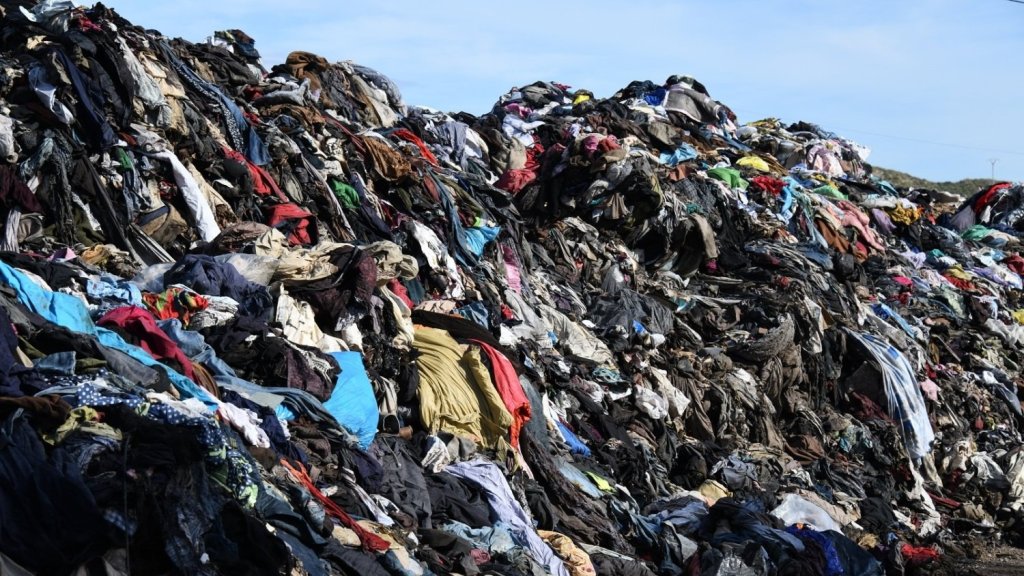
- Disposal: The final stage in the garment’s lifecycle is disposal. Fast fashion results in an overwhelming amount of textile waste, with a tiny proportion being recycled.
Fast Fashion Statistics
- Water Use: It takes about 1,800 gallons of water to produce a single cotton T-shirt. The water intensive processes often lead to the depletion of local water sources, particularly in countries where fashion production takes place.
- Carbon Footprint: The fashion industry is responsible for approximately 10% of global carbon emissions, more than international flights and maritime shipping combined.
- Waste Generation: An estimated 92 million tons of textile waste is generated annually across the globe, equivalent to one truck load of clothes being burned or dumped in a landfill every second.
The Environmental Consequences of Fast Fashion
Understanding the breadth of fast fashion’s environmental impact requires an examination of its direct consequences on land, water, and climate.
1. Depletion of Natural Resources
Fast fashion heavily relies on natural resources, particularly water and fossil fuels. The cotton industry alone requires vast quantities of water, while synthetic fibres like polyester rely on petroleum, a non renewable resource. The extraction and production of these materials lead to habitat destruction, soil degradation, and increased carbon emissions.
2. Water Pollution
The production of textiles uses a plethora of toxic chemicals. The dyeing and finishing processes result in contaminated wastewater that is often dumped untreated into rivers and streams, harming aquatic ecosystems and threatening local communities’ access to clean water. This pollution can lead to the bioaccumulation of toxins in the food chain, ultimately affecting human health.
3. Air Pollution and Climate Change
The fashion industry contributes significantly to air pollution through the release of volatile organic compounds (VOCs) during the production and dyeing processes. Moreover, fossil fuels are a significant energy source for both production and transportation, contributing to greenhouse gas emissions. As a result, the fashion sector’s expansion is a contributing factor to climate change, which poses a risk to global ecosystems and human livelihoods.
4. Landfill Overflow
With the rapid turnover of fashion, discarded clothing typically ends up in landfills. Many textiles are non biodegradable and can take hundreds of years to decompose. Moreover, when synthetic fibres like polyester do eventually break down, they release microplastics into the surrounding soil and waterways, further exacerbating environmental challenges.
How to Reduce the Environmental Impact of Fast Fashion
1. Conscious Consumerism
One of the most impactful ways to combat fast fashion is through conscious consumerism. Here are actionable steps consumers can take:
- Educate Yourself: Understanding the origins of clothing, exactly how and where they are made can help consumers make informed choices. Research brands’ commitments to sustainability and ethical production practices.
- Buy Less: Challenge the need for constant new clothes. Implement a “one in, one out” policy where every new purchase is balanced by donating or selling an old item.
- Choose Quality Over Quantity: Invest in high quality, timeless pieces that are designed to last. This not only reduces waste but can also save money in the long run.
- Opt for Sustainable Brands: Support brands that prioritise environmental sustainability and ethical production. Look for certifications like GOTS (Global Organic Textile Standard) or Fair Trade.
2. Recycling and Upcycling
Extend the life of clothing through recycling and upcycling:
- Recycling Programs: Many retailers offer recycling programs where consumers can return unwanted clothing, which then gets repurposed or recycled properly.
- Upcycle Clothing: Get creative by transforming old garments into something new, whether through sewing, dyeing, or other DIY methods.
3. Rent or Borrow
For occasion specific attire, consider renting or borrowing clothes instead of purchasing. This approach reduces the demand for new clothing production and allows consumers to enjoy a varied wardrobe without the waste.
4. Advocate for Policy Changes
Supporting policy changes at local and national levels can drive systemic change. Encourage legislation that promotes sustainable production practices and reduces waste. Engage with organisations focused on environmental protection and fair labour practices within the fashion industry.
5. Participate in Clothing Swaps
Clothing swaps provide an excellent opportunity to refresh your wardrobe without spending money or contributing to waste. By exchanging garments with friends or community members, you can extend the lifecycle of clothing and discover new styles.
6. Support Local and Ethical Brands
Purchasing from local designers and ethical brands often results in a smaller carbon footprint compared to buying imported fast fashion. Local brands typically have better transparency regarding their manufacturing processes and sourcing materials.
The Role of Businesses in Tackling Fast Fashion
While consumers play a critical role, businesses and the fashion industry must also take responsibility for their environmental impact. Companies can adopt several strategies to make a meaningful difference.
Investing in sustainable production practices is essential for reducing environmental impact. This involves using organic fibres, adopting water saving technologies, and ensuring effective waste management systems are implemented.
Transparency in supply chains is another crucial element. When brands disclose their sourcing practices, labour conditions, and environmental impact, they enable consumers to make informed choices, fostering trust and accountability.
Additionally, implementing take back programs can significantly benefit the environment. These programs encourage consumers to return unwanted items, allowing them to be reused, repaired, or recycled, thereby reducing waste and promoting a circular economy within the fashion industry.
It’s also important for fashion brands to reassess their marketing strategies. By avoiding tactics that create artificial urgency for purchases, companies can promote a slower, more thoughtful approach to fashion consumption.
And above all else, making clothes that last and that withstand fashion trends…
Conclusion
The fast fashion industry presents an urgent environmental challenge that demands immediate action from both consumers and businesses alike. By grasping the impact of our purchases and making conscientious decisions, we can foster a more sustainable fashion ecosystem. Whether through mindful consumerism, advocating for corporate responsibility, or supporting sustainable brands, every action counts in the fight against the detrimental effects of fast fashion.
In conclusion, the effort to counteract the environmental devastation caused by fast fashion hinges on a collective commitment to change. As we navigate this difficult terrain, it is imperative that we remain informed, active, and dedicated to fashion that not only respects creativity but also upholds our responsibility to the planet.
Check out Recycled Organic Cotton T-shirts made to be remade Swim shorts made from recycled ocean waste
 The Blog
Leave a comment