When shopping for garments, many consumers gravitate toward the allure of cotton, often believing it to be the pinnacle of natural textiles. Yet, lurking beneath the surface of many cotton garments is a secret nylon core hidden within cotton sewing threads. Manufacturers often opt for this hybrid approach because it provides increased strength and durability compared to pure cotton. This allows for longer lasting products that withstand wear and tear much better.
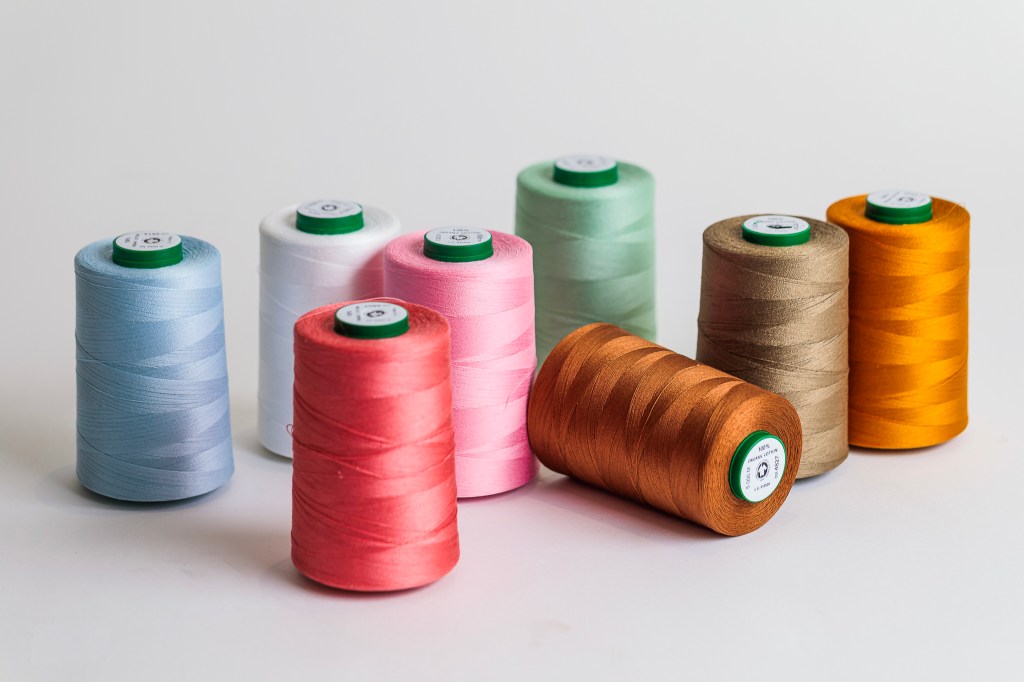
However, this clever marketing tactic comes with its downsides. While a nylon core may enhance the performance of the thread, it also introduces synthetic materials into what many perceive as a natural fabric. This can cause issues such as reduced breathability, potential allergic reactions, and an overall feel that deviates from the natural softness of pure cotton. Additionally, the environmental impact of nylon, a petroleum based product, contradicts the sustainable image that cotton often conveys.
As consumers become more eco conscious, materials like Tencel are gaining popularity as strong alternatives to nylon with added environmental benefits. Tencel, made from sustainably sourced wood pulp, is not only biodegradable but also boasts strengths comparable to traditional nylon. It has the added benefit of being soft on the skin and comes with a lower environmental footprint, making it a favourable option for both the wearer and the planet.
So, the next time you’re purchasing a cotton garment, remember to check the label. If the brand doesn’t explicitly state that they use 100% cotton threads, that is thread without a nylon core, it’s wise to assume that hidden nylon could be lurking at the very foundation of the garment. And please, don’t even get me started on elastics! They often carry their own set of hidden secrets that are worth investigating as well. Always do your research and choose wisely!
Checkout 100% cotton boxer shorts, joggers & sweatpants made with care in the UK.
 The Blog
Leave a comment