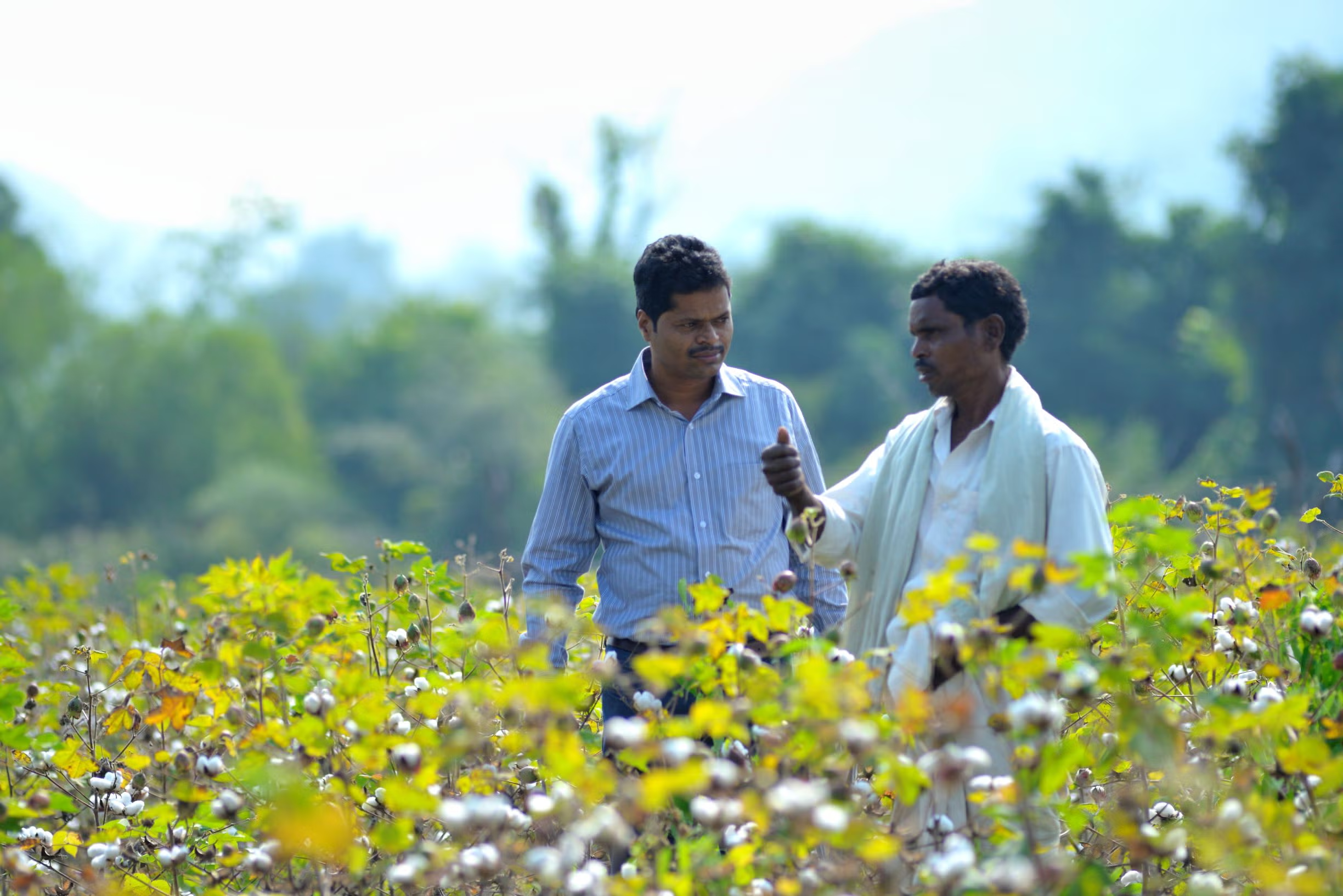
Cotton has long been a staple of the textile industry, providing the world with a versatile fabric used in a myriad of products. However, in recent years, the demand for organic cotton has surged as consumers become increasingly aware of sustainability and ethical practices. Among the various sources of organic cotton, Indian cotton stands out as a premier choice. This article will delve deep into the reasons why Indian cotton is considered the best organic cotton, focusing particularly on how its cultivation wisely incorporates monsoon rainwater.
Introduction
India has a rich history in cotton production that dates back thousands of years. Renowned for its quality, Indian cotton is often celebrated for its natural softness, durability, and variety of colors and textures. The combined practices of traditional handpicking and innovative sustainable farming techniques contribute significantly to its status as the leader in organic cotton. Additionally, India’s dependence on the monsoon season for irrigation plays a crucial role in cultivating this exceptional crop while also promoting eco friendly agricultural practices.
The Ethical and Environmental Impact of Organic Cotton
What is Organic Cotton?
Organic cotton is produced without the use of synthetic fertilisers, pesticides, or genetically modified organisms (GMOs). Instead, organic farmers use a combination of natural methods like crop rotation, composting, and the introduction of beneficial plants to foster healthy growth. This commitment to sustainable farming not only protects the environment but also safeguards the health of local communities and promotes biodiversity.
Benefits of Choosing Organic Cotton
Choosing organic cotton has multiple benefits — for the environment, farmers, and consumers alike:
- Reduced Chemical Use: Organic cotton production minimises the reliance on harmful chemicals, which can leach into soil and waterways, impacting both ecosystems and human health.
- Soil Health: The practices used in organic farming promote healthier soil, which supports the growth of various crops and enhances the carbon content of the soil, effectively combating climate change.
- Water Conservation: Organic cotton generally requires less water than conventionally cultivated cotton. Moreover, the organic farming method fosters better water retention in the soil.
- Support for Rural Livelihoods: By supporting organic cotton farming, consumers help promote rural development and a fairer income distribution for farmers.
The Rich Heritage of Indian Cotton
India’s historical association with cotton can be traced back over 5000 years. The country is not only one of the largest producers but also one of the world’s primary exporters of organic cotton. Indian farmers, particularly in states like Gujarat, Maharashtra, and Telangana, have honed traditional techniques that are passed down through generations.
Types of Indian Cotton
Indian cotton encompasses various varieties, each with its unique properties. Some of the well-known types include:
- Gossypium arboreum: Known for its strong fibres, this variety is used predominantly for making coarse fabrics.
- Gossypium herbaceum: Also referred to as tree cotton, it is grown mainly in the northern regions and is advantageous for its adaptability.
- Gossypium hirsutum: Known as upland cotton, it is the most common type grown globally and is prized for its fine fibres.
The Art of Hand-Picking Cotton
Indian cotton is traditionally harvested by hand, a method that ensures minimal fibre breakage and maximises the quality of the cotton collected. Hand picking also allows farmers to sort the cotton as they harvest. This labour intensive process is more time consuming but results in superior quality cotton with less contamination, making it perfect for the organic market.
The Role of Monsoon Rain in Indian Cotton Cultivation
India’s agricultural landscape is heavily influenced by the monsoon season, which plays a pivotal role in providing the necessary water for crops, including cotton. The Indian subcontinent relies on two major phases of monsoon rains. The southwest monsoon (June to September) and the northeast monsoon (October to December).
Harvesting Monsoon Rainwater
One of the remarkable practices adopted by Indian farmers is the traditional and innovative ways of harvesting monsoon rainwater. Here are some of the key techniques:
- Rainwater Harvesting Systems: Many farmers have implemented rainwater harvesting systems, where they collect and store rainwater in tanks, ponds, or underground cisterns. This stored water can be used during dry spells, ensuring that cotton plants have ample moisture.
- Contour Farming: This method involves plowing along the contours of the land which helps in reducing soil erosion while enhancing water retention during rains. This practice allows the moisture to seep into the soil more effectively than traditional farming methods.
- Check Dams and Percolation Pits: These structures are built to capture rainwater and slowly release it into the groundwater table, replenishing aquifers that can be tapped into during drier months.
The Impact of Monsoon Water on Cotton Quality
The cultivation of cotton, especially in the context of monsoon rainfall, profoundly affects the quality of the produce. The abundant monsoon moisture gives Indian cotton its characteristic softness, strength, and longevity. This is a stark contrast to irrigated cotton which often requires synthetic fertilizers and pesticides to compensate for dry spells.
Sustainable Farming and Its Challenges
The Importance of Sustainability
The global demand for organic cotton has positioned India as a leader in sustainable practices, but challenges exist. Issues such as monsoon variability, climate change, and market uncertainties can impact production. Therefore, continuous education, resource management, and the use of technology in farming practices are imperative.
Knowledge Sharing and Farmer Education
organisations across India are working toward educating farmers on sustainable practices, helping them adapt to changing climate patterns while maximising yields. Programs focusing on efficient water use, pest management without chemicals, and crop diversity are essential to maintain the ecological balance.
Certifications and Standards
To meet the evolving consumer expectations and guarantee the organic nature of cotton, several certifications have been established. Some prominent certifications for organic cotton include:
- Global Organic Textile Standard (GOTS): This certification ensures sustainable practices throughout the entire supply chain, from the field to the finished textile product.
- Organic Content Standard (OCS): Focused on transparency and traceability, this certification provides certainty that the cotton is truly organic.
- Fair Trade Certification: This ensures fair pricing and safe working conditions for farmers, further solidifying the ethical component of organic Indian cotton.
Conclusion
In summary, Indian cotton serves not just as a fabric but as a narrative of sustainable agriculture, rich tradition, and commitment to environmental stewardship. The harmonious relationship between cotton farming and monsoon rains exemplifies an age old, yet modern method of agriculture that practices respect for the ecosystem. By supporting Indian organic cotton, consumers are not only making a statement for quality and ethicality but are also investing in a sustainable future.
As the textile industry moves towards more environmentally friendly practices, Indian cotton stands as a model for organic cotton production. With ongoing agricultural innovations, community participation, and sustainable practices, Indian cotton is set to remain a benchmark in the world of organic textiles. The next time you reach for a cotton product, consider the journey it takes from the rich Indian soil, nurtured by monsoon rains, into your hands, knowing you’re supporting a sustainable choice.
This not only honours tradition but ensures a healthier planet for future generations, highlighting the indispensable role of organic farming in today’s world.
Remill® Recycled Organic Cotton T-shirts and where to send them when you their time is up.
 The Blog
Leave a comment