In recent years, the fashion industry has undergone a dramatic transformation. Fast fashion has redefined how we shop, offering trendy clothing at ridiculously low prices and with astonishing speed. However, beneath the alluring surface of affordability and immediacy lies a troubling truth that affects us all. Understanding the consequences of fast fashion can empower us to make more sustainable choices in our wardrobe and lifestyle.
The Consequences of Fast Fashion
Environmental Impact
One of the most significant consequences of fast fashion is its adverse environmental impact. The production of inexpensive clothes often leads to excessive waste and pollution. According to the United Nations, the fashion industry is responsible for 10% of global carbon emissions and is one of the largest consumers of water.
Social and Economic Effects
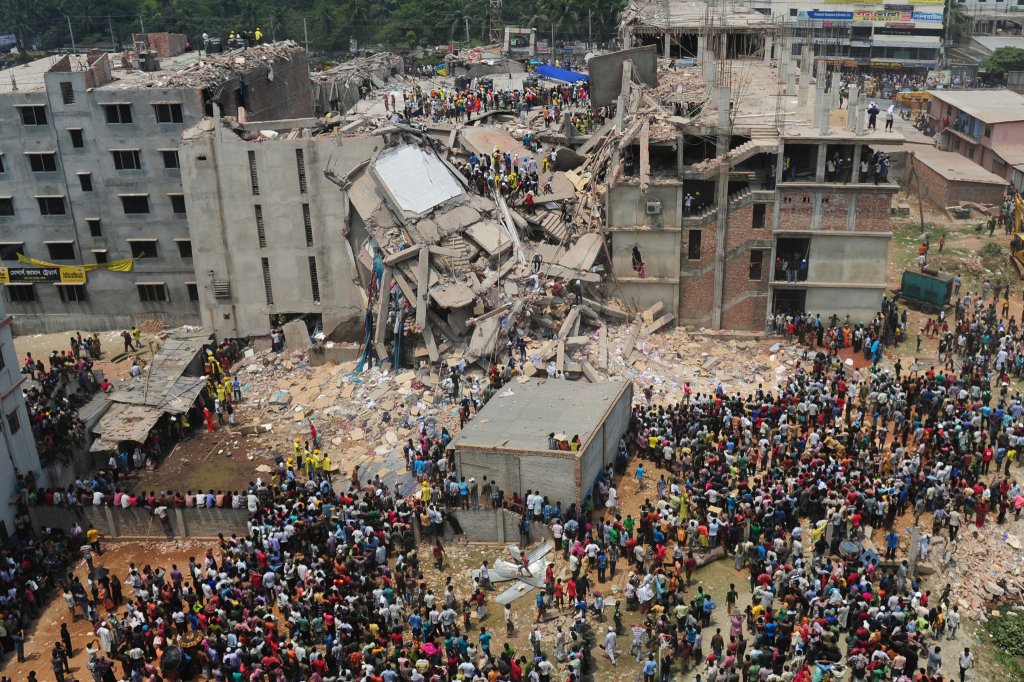
But fast fashion doesn’t just harm the environment; it also has profound social implications. Workers in developing countries are often exploited, working long hours for meagre wages. A striking example is the case of the 2013 Rana Plaza collapse in Bangladesh, which claimed the lives of over 1,100 garment workers. This tragedy raised awareness of the hazardous working conditions and environmental irresponsibility tied to the fast fashion industry. Stories like this serve as a stark reminder that our clothing choices impact real lives, urging us to consider the human cost behind each bargain.
The Rana Plaza building collapsed due to severe structural defects and safety violations
- Structural Weaknesses: The building was not constructed to meet safety codes and was expanded without proper authorisation.
- Illegal Construction: The eight story building exceeded its permitted design and was constructed by adding extra floors, which overstressed the structure.
- Ignoring Warnings: Inspectors found cracks in the building a day before the collapse, but the factory owners forced workers to enter the building, despite their fears.
- Inadequate Regulations and Enforcement: The government authorities responsible for the building’s safety were unable to prevent the disaster, as evidenced by the unauthorised construction.
- Pressure on Workers: Management insisted that the building was safe, forcing workers to continue their shifts despite visible damage.
Personal Wellness and Identity
On a more personal level, the fast fashion culture can affect how we view our identities and personal styles. The endless cycles of trends can foster a mindset of disposability, leading us to buy more than we need. I remember the excitement of purchasing new clothes, stuff like jackets and jeans only to feel disheartened when the shine wore off, some of them pushed to the back of my wardrobe, most of them thrown away. Reflecting on these choices prompted me to seek out sustainable alternatives that not only take care of the planet but also allow me to express my unique style.
Sustainable Alternatives
Understanding the impact of fast fashion opens the door to more sustainable approaches to fashion. Here are a few alternatives to consider:
- Thrift Shopping: One of the best ways to combat fast fashion is to shop at thrift stores or buy second hand. Not only does this reduce waste, but it can also lead to unique finds that tell a story. searching out vintage pieces is a passion for some.
- Capsule Wardrobes: Adopting a capsule wardrobe philosophy encourages mindful consumption. This involves curating a smaller selection of versatile pieces that can be mixed and matched, reducing the need for constant shopping.
- Ethical Brands: Many brands prioritise sustainability, using eco friendly materials and fair labour practices. Researching and supporting companies that align with our values can make a significant difference in this industry.
Conclusion
The allure of fast fashion may be tempting, but understanding its consequences can lead us towards more sustainable choices. By being mindful consumers, we can support practices that promote environmental integrity and social justice. Fashion should not come at the cost of our planet or the people who create our clothing. As we navigate our personal styles and shopping habits, let’s make choices that reflect a commitment to sustainability and fairness. Together, we have the power to challenge the fast fashion model and foster a more responsible and thoughtful approach to wardrobe choices.
 The Blog
Leave a comment