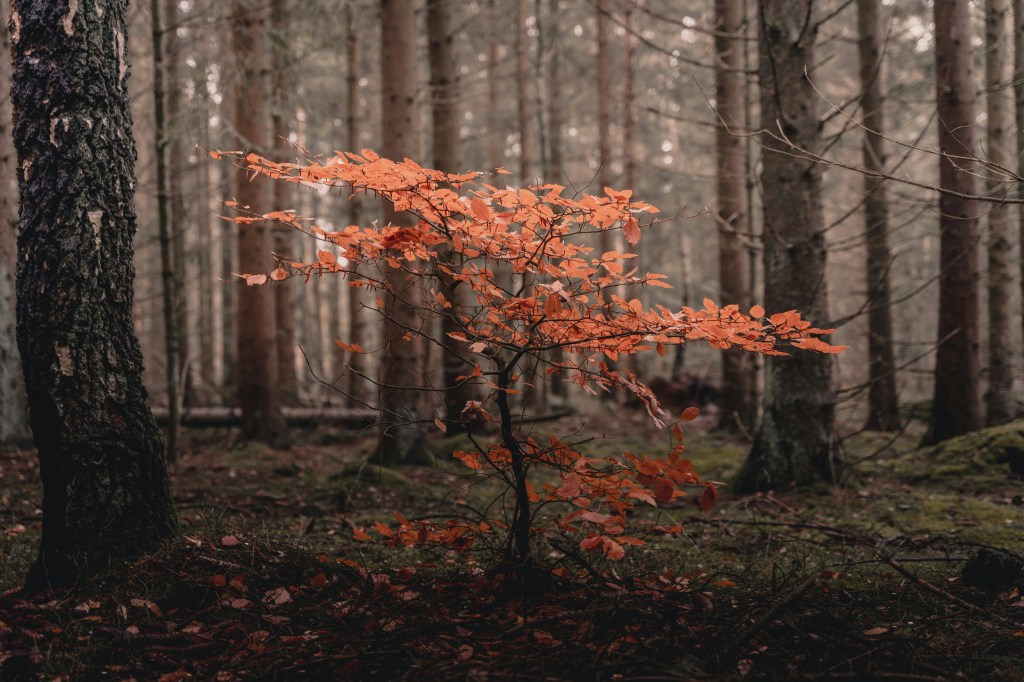
As we step into the heart of autumn, when leaves turn from vibrant greens to rich hues of amber, crimson, and gold, the world around us offers a striking reminder of the ever changing nature of life. This season, with its brisk air and the aroma of woodsmoke mingling with the earthy scent of fallen leaves, brings to mind a quote attributed to Heraclitus, the ancient Greek philosopher: “There is nothing permanent except change.”
This thought resonates deeply, particularly as we find ourselves amid a whirlwind of transitions, whether in our surroundings, our relationships, or even within ourselves. But who was Heraclitus, and how does his philosophy relate to the dynamic changes similar to those we observe in nature this time of year?
A Glimpse into Heraclitus’s Life
Heraclitus was an enigmatic figure from Ephesus, a city that was, at the time, part of the vast Persian Empire. Even though much about his life remains a mystery, fragments of his thoughts have traversed centuries, capturing the imaginations of sages and scholars alike. Heraclitus lived around 535-475 BCE, and unlike many of his contemporaries, he preferred the ageless truths found in the world around him over the popular mythologies of the time.
Although he’s often referred to as the “Weeping Philosopher,” a label suggesting a sombre demeanour, it is essential to consider the context of his work. The fragments that survive reveal a mind steeped in paradox and considered observation, a thinker who was both captivating and elusive. His work, often cryptic and poetic, earned him labels such as “the dark” and “the obscure.” This reputation stemmed from his tendency for clever wordplay and his inclination to convey profound truths through paradoxes.
In a world where many sought certainties and answers, Heraclitus presented a perspective so radically different that it often blurred the lines of clarity. He proposed that change is the fundamental essence of existence, proclaiming the idea that “everything flows” (a concept known in Greek as “panta rhei”).
Change as the Only Constant
Heraclitus’s assertion that “there is nothing permanent except change” ties beautifully into the changing tapestry of nature, especially during autumn. Witnessing the leaves transform, fall, and decompose reminds us that change is not something to be feared but embraced.
As the days grow shorter, and the trees prepare for the winter slumber, each leaf’s fall is a remarkable reminder of the cyclical nature of life. Just like the leaves, we too experience phases in our lives that call for letting go. Whether it’s saying goodbye to a job, a relationship, or even an old version of ourselves, autumn teaches us that releasing what no longer serves us can be incredibly freeing.
But change isn’t just about letting go; it’s also about renewal. Just as spring will eventually follow winter, every ending brings a promise of new beginnings. Heraclitus believed that this continuous cycle of birth, decay, and rebirth is at the heart of existence. We can see this reflected in nature itself, as it exemplifies resilience and adaptation.
Heraclitus and Nature: An Autumnal Reflection
Walking through a forest in autumn, we can marvel at how trees shed their leaves. While this may seem a loss, it’s an essential part of their lifecycle. Without this process, trees would struggle to survive through the cold winter months. By letting go of their leaves, they can conserve energy and resources, preparing for the blooms of spring. This is a poignant metaphor for our own lives.
Think about the transitions you’re facing. Are there aspects of your life that need to be let go of? In a sense, autumn encourages us to engage with this truth. The beauty of the season lies in its ability to show us that change is beautiful, even amidst the melancholia of letting go.
Like Heraclitus, who viewed the world and our existence through a lens of constant flux, we should also understand that change can pave the way to personal growth, transformation, and new opportunities. Embracing change can lead us to better, brighter pathways. Just as we don’t mourn the fallen leaves, we can learn to let go of what no longer serves our journey, making room for the new experiences that await us.
The Seasons of Our Lives
Life can be likened to the four seasons. This vivid imagery aligns with Heraclitus’s teachings about the inevitability of change. Spring symbolizes new beginnings and growth, summer represents abundance and joy, autumn signifies maturity and introspection, while winter often embodies dormancy and reflection.
What season are you currently in? More importantly, what does it mean for your personal journey? During autumn, we might find ourselves in a phase of reflection, collecting our thoughts, assessing the year that has passed, and preparing for the following one. And just like the cyclical nature of the seasons, it’s critical to recognize that each phase has its beauty and significance.
Creating Space for Change
Embracing change, especially during these transitional phases, involves creating space not just in your external environment, but also internally. Autumn offers the perfect imagery: as the landscape clears, a vista of possibilities opens up.
What steps can you take to declutter your life? Just like trees that shed their leaves, you have the power to shed old habits, thoughts, and emotions that may hold you back. Consider it a form of self care. Clearing out the debris, be it physical clutter, toxic relationships, or limiting beliefs can ultimately lead to renewal and growth.
By making space, you allow new experiences, relationships, and opportunities to flow into your life. This mirrors Heraclitus’s perspective of flowing, echoing the notion that life is dynamic and constantly evolving.
The Idea of Flux
The element of flux is a significant theme in Heraclitus’s philosophy. He suggests that we can find balance in this constant state of being, acknowledging that while things change, there are also patterns and rhythms that emerge.
In the same way that autumn has its predictable patterns, leaves changing colour, the temperature dropping, the flux of change in our own lives reveals a story unique to each individual. By acknowledging this flow, we can learn to ride the waves of change rather than resist them.
Life often presents challenges, and resistance can lead to unnecessary struggle. Heraclitus might argue that acceptance is vital, not just of change itself, but the experiences that come with it. Life’s ebbs and flows should be welcomed, for they teach us resilience, adaptability, and the capacity to thrive within all circumstances.
Connecting with Nature
To truly embrace the words of Heraclitus, immersion in nature can be profoundly healing. Autumn, in all its golden glory, is a brilliant backdrop for such reflection. Get outside, feel the crispness of the air, listen to the crunch of leaves underfoot, and witness the transformation of your surroundings.
These moments spent in nature can provide clarity, helping us to process our thoughts and feelings. As we watch the leaves fall and the landscape evolve, we can find tranquillity in the change. Nature becomes a teacher, whispering reminders that change can be both beautiful and inevitable.
Conclusion
Heraclitus’s insight that “there is nothing permanent except change” invites us to reflect on the cyclic nature of existence, paralleling the fall season’s transformation of life around us. Embracing this philosophy allows us to appreciate the beauty embedded in change, illuminating paths previously unconsidered.
As you stroll through vibrant autumn landscapes and witness the essential cycles of nature, remember the words of Heraclitus. Recognise that through this constant transformation, we are given the opportunity to grow, let go, and start anew. Life is a beautiful exchange of cycles, a perpetual dance of renewal. So, let’s lean into this mindset, allowing ourselves to be transformed in the process. Change can be scary, but perhaps, like the leaves falling from the trees, it can also be profoundly beautiful.
Let this autumn inspire you, a season that calls for introspection, letting go, and preparing for what lies ahead. After all, nothing lasts forever, and therein lies the beauty of life itself.
 The Blog
Leave a comment