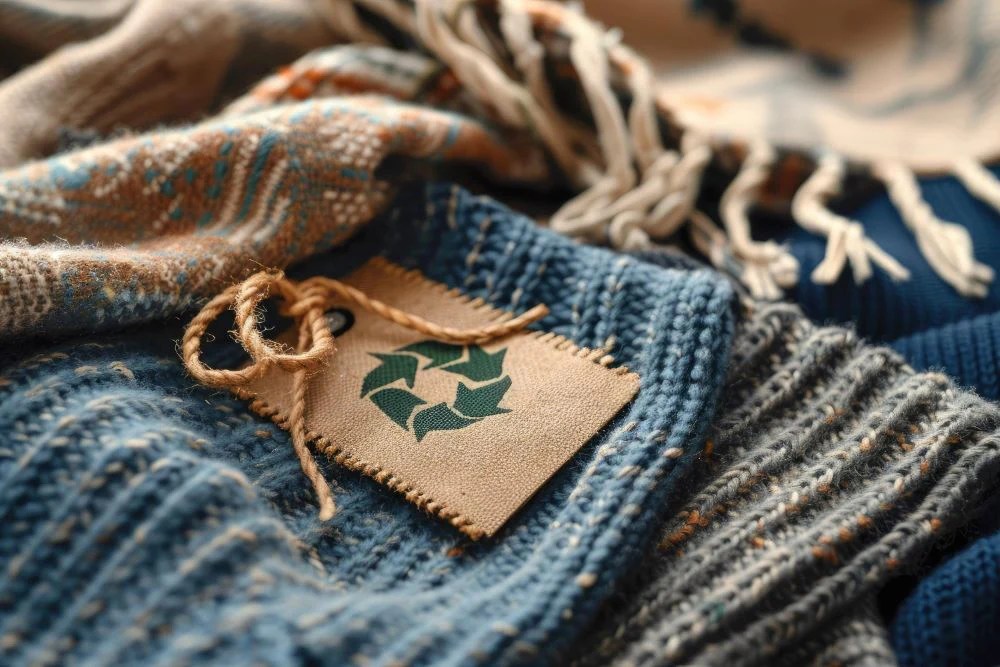
In recent years, the fashion industry has sparked an important debate regarding sustainability and ethical production. As awareness of environmental issues grows, the fashion sector faces scrutiny over its practices. This article explores two contrasting paradigms, sustainable fashion and fast fashion, analyses the implications of each, addresses common objections to transitioning from fast fashion to sustainable alternatives, and provides a framework for understanding the broader impact of our clothing choices.

Understanding Fast Fashion
Fast fashion refers to the rapid production of inexpensive clothing, designed to capture current fashion trends. Retailers like Zara, H&M, and Primark exemplify this model, known for quickly delivering runway styles to the high street at affordable prices. The fast fashion industry thrives on mass production, which allows for high volume sales and low prices, appealing to consumers who want to keep their wardrobes fresh and trendy.
However, this approach has significant environmental and social repercussions. The fast fashion model contributes to enormous waste generation, environmental degradation, and exploitation of workers across developing nations. The British charity WRAP (Waste and Resources Action Programme) reveals that the UK alone sends 300,000 tonnes of wearable clothing to landfill every year, highlighting the challenge of over consumption and its aftermath.
The Rise of Sustainable Fashion
Conversely, sustainable fashion prioritises ethical production practices, often focusing on eco friendly materials, fair labour conditions, and reduced environmental impact. It emphasises quality over quantity, encouraging consumers to invest in long lasting garments rather than disposable clothing.
Sustainable fashion encompasses various approaches, from using organic cotton and recycled materials to promoting second hand shopping and clothing rental services. The concept extends beyond production to encompass the entire lifecycle of garments, advocating for responsible consumption and disposal practices, such as recycling and upcycling.
Key Differences Between Sustainable and Fast Fashion
Production Practices
- Fast Fashion: Characterised by rapid turnaround times and low pay for workers, often in countries with lax labour regulations. Factories are pushed to their limits to meet the constant demand for new styles.
- Sustainable Fashion: Focuses on ethical labour practices, transparency in the supply chain, and slow fashion methods that allow for a more considered production pace.
Environmental Impact
- Fast Fashion: Involves excessive water consumption, pollution from toxic dyes, and a high carbon footprint due to large scale transportation. The industry is responsible for 10% of global carbon emissions.
- Sustainable Fashion: Emphasises eco friendly manufacturing processes, such as using less water, choosing biodegradable materials, and employing renewable energy sources.
Consumer Behaviour
- Fast Fashion: Encourages a cycle of constant purchases and discarding, leading to a ‘wear once’ mentality. The average UK consumer buys 60% more items than in 2000 but keeps them for only half as long.
- Sustainable Fashion: Advocates for mindful consumption, encouraging customers to invest in timeless pieces that promote a ‘buy less, choose well’ philosophy.
Common Objections to Switching from Fast Fashion to Sustainable Fashion
Despite the burgeoning interest in sustainable alternatives, many consumers express objections to shifting away from fast fashion. Let’s address some of the most common concerns:
Cost Concerns
One major objection is the perception that sustainable fashion is prohibitively expensive. While it’s true that many sustainable brands price their products higher than fast fashion retailers, it’s essential to consider the longevity and quality of sustainable garments. On average, a sustainably produced piece will last longer, leading to lower overall costs per wear over time. This mindset shifts the focus from immediate expenditure to long term value.
Accessibility
Some argue that sustainable options are less accessible, particularly concerning size availability and regional location. While this may have been true in the past, an increasing number of sustainable brands are expanding their size ranges and online presence, making it easier for consumers to find options that suit them.
Style Limitations
Critics often claim that sustainable fashion lacks the trendy appeal offered by fast fashion. However, many sustainable brands are now collaborating with influential designers to create stylish, eye catching collections. The investment in unique designs often results in pieces that stand out and offer individuality, countering the notion that sustainability equates to boring choices.
Cultural Influence
A significant hurdle in the transition to sustainable fashion is the deeply embedded culture of fast fashion within society. The stigma associated with wearing the same outfit multiple times is beginning to change, thanks to growing campaigns promoting ‘outfit repeating’ and ‘slow fashion.’ Social media also plays a vital role; influencers focused on sustainable lifestyles are increasingly recognised and celebrated, further normalising the concept of mindful consumption.
The Broader Impact of Sustainable Choices
Adopting sustainable fashion practices can have reverberating effects beyond individual consumer choices. It holds the potential to drive significant change within the fashion industry, compelling brands to reconsider their practices in response to consumer demand for ethical standards.
Economic Shift
An increased commitment to sustainable fashion can lead to substantial economic change. By supporting ethical brands, consumers can encourage local economies and sustainable practices, promoting job creation and fair wages within the industry. This shift can empower workers previously trapped in exploitative conditions due to fast fashion demands.
Environmental Healing
Transitioning to sustainable fashion practices can substantially reduce environmental impact. As more consumers make conscious choices, brands may feel pressured to decrease their carbon footprints, adopt renewable resources, and improve waste management. Collective action can lead to improved health for ecosystems globally, reversing some of the damage caused by years of destructive practices.
Cultural Transformation
A cultural shift towards valuing sustainability can redefine the standard of beauty within the fashion industry. A dedication to ethical practices fosters a movement that emphasises authenticity, individuality, and integrity in personal expression. By reframing societal values around consumerism, the fashion industry could ultimately promote a healthier, more balanced relationship with clothing.
Conclusion
The dichotomy between sustainable fashion and fast fashion highlights a critical juncture in the way we approach consumerism and ethical responsibility. While fast fashion offers immediate gratification through affordability and trendiness, the long term implications raise crucial questions about our impact, not only on the environment but also on social justice.
Switching to sustainable fashion may come with challenges, yet it presents an opportunity to create a more equitable and sustainable industry for future generations. By recognising the benefits of sustainable practices and actively engaging in the conversation, consumers can promote meaningful change that transcends personal choices and shapes industry norms for the better.
Whether you choose to embrace sustainable fashion entirely or integrate it gradually into your wardrobe, every action counts. As the UK continues to grapple with the consequences of fast fashion, the collective message is clear: wearing our values matters, and sustainability is no longer just a trend, but a movement that demands our attention and action.
 The Blog
Leave a comment