As the fashion industry grapples with its environmental impact, sustainable fashion emerges as a vital movement. The 7 R’s of sustainable fashion, Rethink, Refuse, Reduce, Reuse, Repair, Recycle, and Rot provide a framework for consumers and brands alike to navigate and implement more eco friendly choices. This listicle will delve into each of the 7 R’s, illustrating how they can be applied practically in your wardrobe choices, shopping habits, and overall lifestyle.
1. Rethink
To embrace sustainable fashion, the first step is to rethink our approach towards clothing and consumption. This means questioning the status quo of fast fashion, where the cycle of buying, wearing, and discarding garments is perpetually fast paced and often unsustainable.
Practical Application:
- Assess your wardrobe: Take a good look at what you already own. Consider what types of clothing you wear most and what might serve you better if reinvented or complemented with new pieces. Putting together a capsule wardrobe can streamline choices and reduce unnecessary purchases.
- Prioritise quality over quantity: Invest in versatile, high quality pieces that are timeless instead of transient trends.
Case in Point:
Fashion journalist and activist Jess Cartner-Morley @JessC_M emphasises, “Rethinking how we consume fashion is our best chance of creating a sustainable future.” By reconsidering our attitudes towards buying and wearing clothes, we take the first critical step toward sustainability.
2. Refuse
Refusal involves actively choosing not to participate in unsustainable practices. This can mean refusing to buy from brands that exploit workers or harm the environment or simply refusing to buy into the excessive consumption lifestyle.
Practical Application:
- Avoid fast fashion: Steer clear of brands known for low cost, low quality clothing that encourage a throwaway culture. Look instead for brands with ethical practices.
- Say no to impulse purchases: Implement a waiting period (e.g., 30 days) before purchasing non essential items. This gives you time to consider if you truly need the item.
Example:
By opting out of seasonal sales that flood buyers with deals on unsustainable clothing, consumers can significantly impact demand and reduce overproduction.
3. Reduce
To reduce our fashion footprint, we must learn to buy less and make smarter choices. This involves not just cutting down on purchases but also minimising waste.
Practical Application:
- Evaluate your needs: Before shopping, create a list based on your actual needs rather than wants. This focused approach decreases the likelihood of unnecessary purchases.
- Limit your shopping frequency: Set a schedule for shopping trips, perhaps planning on a monthly basis rather than going whenever the urge strikes. This discipline can help curb impulsive spending.
Statistics:
According to a report by WRAP (Waste and Resources Action Programme), the average person in the UK buys 60 new garments each year and discards 20. By committing to reduce the number of new pieces we buy, we can mitigate waste.
4. Reuse
Reusing involves extending the life of clothing items and finding new ways to enjoy them without purchasing anew. This not only keeps textiles out of landfills but also fosters creativity and resourcefulness.
Practical Application:
- Clothing swaps: Organise or attend clothing swap events in your community. This is a fun way to refresh your wardrobe without any expenditure.
- DIY upcycling projects: Get creative! Remember laced up jeans? Maybe that’s a bit too extreme! You could patch them up 70’s style. Or try your hand at Sashiko, a traditional technique that uses decorative running stitches to repair and reinforce fabric. It is rooted in the Japanese philosophy of wabi-sabi, which finds beauty in imperfection and the history of an object. Flora Collingwood-Norris @visible_creative_mending, a knitwear designer, maker and visible mender based in Galashiels in the Scottish Borders wrote a book on it.
Local Example:
Vintage shops and thrift stores, such as Beyond Retro and Oxfam, are great places to find unique, pre loved items that offer character while supporting sustainability efforts.
5. Repair
When clothing gets damaged, we often toss it aside, contributing to waste. The repair principle focuses on fixing rather than discarding. This part of the 7 R’s encourages a mindset of valuing and caring for our clothing.
Practical Application:
- Learn basic sewing skills: Familiarise yourself with techniques to replace buttons, sew hems, or patch up holes. Many online resources, such as YouTube tutorials, are available for beginners.
- Visit repair cafes: These community driven spaces offer workshops where you can learn repair skills for free. Look for initiatives such as The Repair Café in various UK towns.
Womenswear designer Eileen Fisher states, “Repairing clothing is about making choices that reflect your values.” Repairing garments fosters a deeper connection to what we own.
6. Recycle
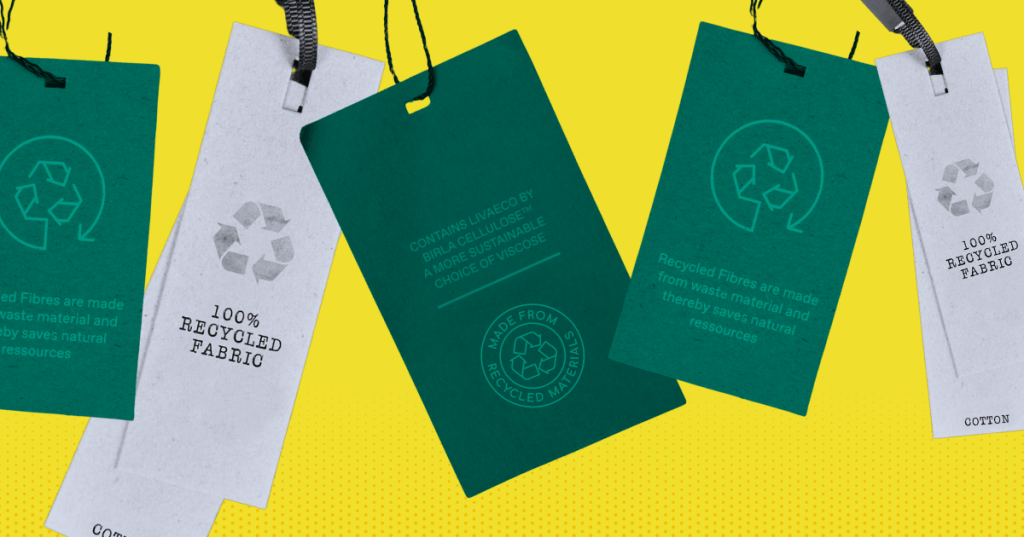
Recycling refers to the process that transforms used materials into new products, reducing waste and the need for raw materials. In fashion, recycling can help mitigate the enormous amounts of waste generated by the industry.
Practical Application:
- Bring worn out textiles to recycling points: Many local councils in the UK have textile recycling schemes. Encourage your community to utilise these services.
- Participate in take back programs: Look for brands that offer incentives for customers to return old garments for recycling. It’s a win win for both you and the planet.
Data Insight:
Research by WRAP indicates that recycling just one kilogram of clothing can save the equivalent amount of CO2 emissions produced by driving a car for 34 miles. This statistic reinforces the importance of recycling textile waste.
7. Rot
The final R stands for rot, which encourages composting of organic materials. While most clothing isn’t compostable, natural fibres like cotton, linen, and wool are compostable because they are natural, biodegradable fibres. However, to ensure they break down properly, you must first remove all non biodegradable elements like zippers and buttons.
Practical Application:
- Know your fabrics: When purchasing, opt for garments made from biodegradable materials. Familiarise yourself with the labels to choose clothes that can ‘return to the earth.’
- Compost items: If you have clothing that is beyond repair or reuse, consider composting natural fibre scraps or donating them to community gardens that can utilise them.
Conclusion
The 7 R’s of sustainable fashion, Rethink, Refuse, Reduce, Reuse, Repair, Recycle, and Rot serve as a powerful framework for making mindful fashion choices. By embracing these principles, we can reduce our impact on the environment and contribute to a more sustainable future. Fashion isn’t merely about what we wear but encompasses the values we uphold and how we interact with the world around us.
As consumers, we hold the power to demand better practices from brands and to model sustainable behaviour in our lives. By implementing these 7 R’s, we become active participants in transforming the fashion industry into a more sustainable and responsible space.
 The Blog
Leave a comment