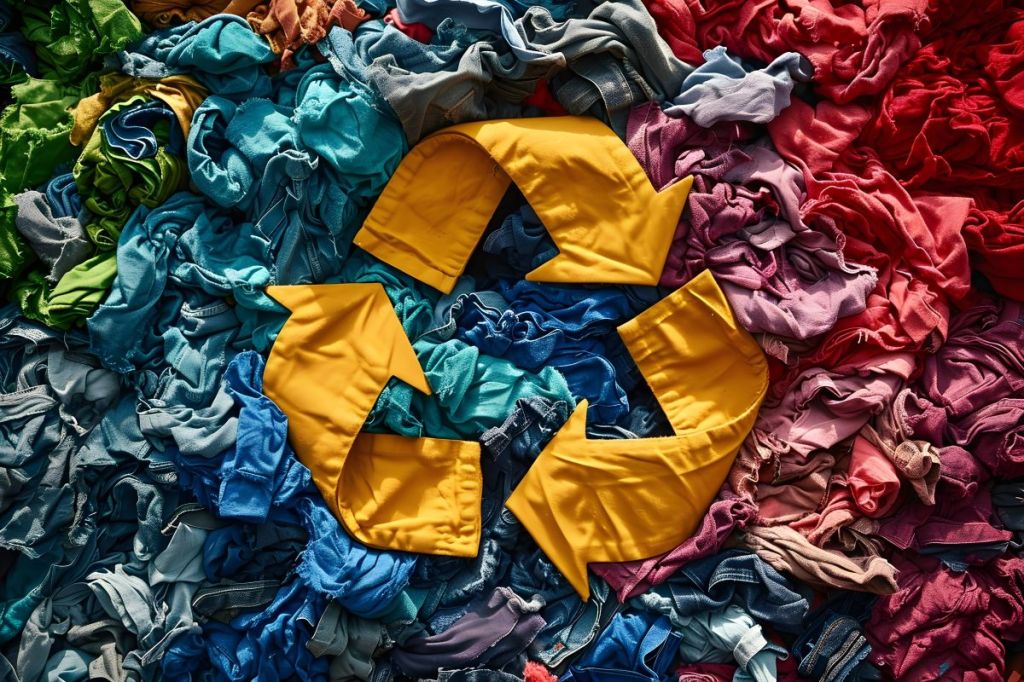
In recent years, the fashion industry has witnessed a significant shift towards sustainability, with a growing emphasis on eco friendly practices and ethical production. Sustainable clothing refers to clothing that is produced, consumed, and disposed of in a way that is environmentally friendly and socially responsible. This guide aims to introduce newcomers to the key concepts and principles of sustainable clothing, highlighting its importance in today’s world.
Understanding Sustainable Clothing
Sustainable clothing encompasses a range of practices aimed at minimising harm to the environment and promoting fair labour conditions. Key terms often associated with this movement include:
- Eco friendly materials: Fabrics made from organic or recycled materials, which reduce waste and environmental impact.
- Ethical production: Ensures that garments are made under fair working conditions, providing fair wages and promoting workers’ rights.
- Circular fashion: The concept of designing clothes with their entire lifecycle in mind, encouraging recycling and reusing to reduce waste.
- Transparency: Brands disclose information about their supply chain, allowing consumers to make informed choices.
Principles of Sustainable Clothing
- Resource Conservation: Sustainable clothing aims to reduce the consumption of water, energy, and raw materials during production.
- Waste Reduction: Traditional fashion often leads to overproduction and waste. Sustainable practices focus on minimising waste through design, recycling, and more efficient use of materials.
- Social Responsibility: Support for fair labour practices and community involvement helps ensure that the people who produce garments are treated with dignity and respect.
- Consumer Awareness: By choosing sustainable clothing, consumers can influence brands to adopt eco friendly practices and hold them accountable.
Glossary for Easy Understanding
- Organic Cotton: Cotton grown without the use of synthetic pesticides or fertilisers.
- Recycling: The process of converting old materials into new products to prevent waste.
- Fair Trade: A movement intended to help producers in developing countries achieve better trading conditions.
- Sustainable Fashion: Fashion designed and produced with a commitment to sustainability and ethical health.
In conclusion, sustainable clothing represents a powerful avenue for consumers to make environmentally responsible choices and support ethical production practices. By familiarising yourself with these key terms and principles, you’ll be better equipped to navigate the world of fashion with sustainability in mind.
 The Blog
Leave a comment