In an era where fast fashion has become the norm, the allure of low prices and trendy clothing is hard to resist. It is easy to throw a few items into our online carts without thinking about the implications of our purchasing choices. However, the reality of cheap clothing extends far beyond the price tag; it encompasses environmental degradation, labour exploitation, and a myriad of societal implications that often go unnoticed. This guide aims to unpack the hidden costs of cheap fashion, encouraging a more conscious approach to our clothing purchases.
Understanding Fast Fashion
Fast fashion refers to the rapid production of inexpensive clothing that mirrors current fashion trends but is often of low quality. This business model prioritises speed and cost over responsibility, resulting in a cycle where consumers are encouraged to buy more, often with little regard for the consequences.
The Allure of Low Prices
It’s tempting to buy a shirt for £5 or a pair of jeans for £10, who wouldn’t want to save money while keeping up with fashion trends? However, these low prices come with a complex web of hidden costs. Many consumers are unaware that such items may have resulted in exploitative labour practices and significant environmental harm.
The Environmental Impact of Cheap Fashion
The fashion industry is one of the largest polluters in the world, and fast fashion plays a large part in this environmental crisis.
Water Usage and Pollution
The production of clothing requires an immense amount of water. For instance, it can take up to 10,000 litres of water to produce a single kilogram of cotton. In the UK, with a high demand for cotton based clothing, this translates into staggering amounts of water consumed annually. Furthermore, the dyes used in textile production often find their way into water systems, contaminating rivers and causing significant ecological harm. According to a report by the Environmental Agency, textile manufacture and processing are responsible for approximately 20% of industrial water pollution in the UK.
Waste and Landfill Issues
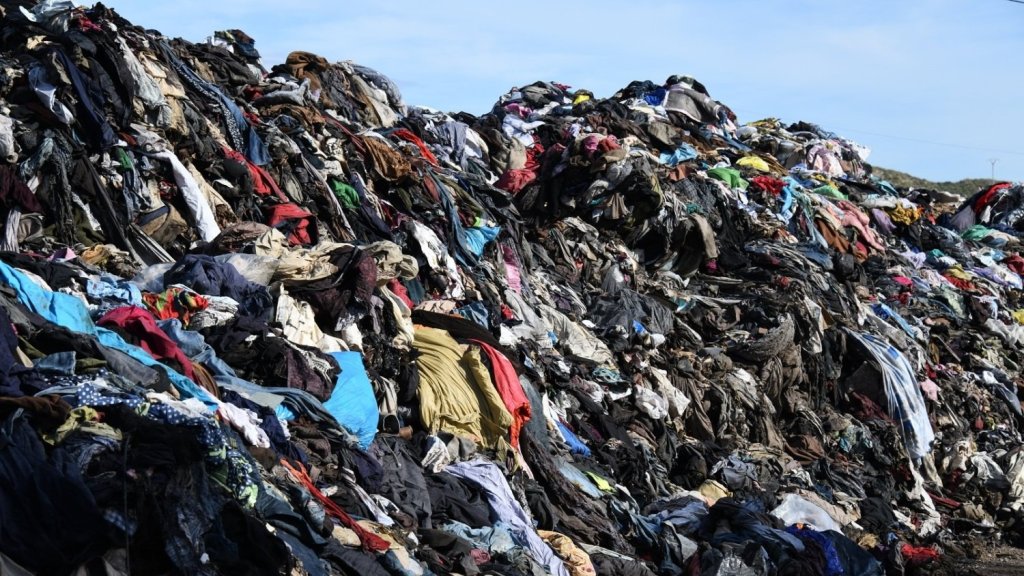
Another sobering fact is that around 300,000 tonnes of clothing are sent to landfill sites in the UK every year. The fast fashion industry has contributed to a culture of disposability, where clothes are worn just a handful of times before being discarded. Many of these garments are not biodegradable and can take decades to decompose, all while releasing harmful toxins into the soil and air. Consequently, the UK’s contribution to global waste problems is significant; the country has been identified as one of the largest consumers of fast fashion in Europe.
Carbon Footprint
The fashion industry is also a significant contributor to carbon emissions. In recent studies, it was found that the industry is responsible for around 10% of global carbon emissions, more than the aviation and shipping industries combined. This figure reflects the entire production cycle, which includes resource extraction, manufacturing, transportation, and retailing of garments.
The Social Impact of Cheap Fashion
Beyond environmental degradation, the fast fashion industry has far reaching implications for society, particularly in terms of labour practices.
Exploitative Labour Conditions
Many fast fashion brands outsource production to developing countries where labour laws may be lax or unenforced. Workers, often women and children, face unsafe working conditions, long hours, and meagre pay. According to the Ethical Trading Initiative, many garment workers earn less than £1 a day, struggling to meet basic needs such as food and shelter. This systemic exploitation raises ethical questions about consumer responsibility and the impact of our purchasing decisions.
Health Risks
The use of hazardous chemicals in clothing manufacturing poses health risks to workers in developing countries. Toxic substances can lead to illnesses and long term health issues, impacting entire communities. Back home, consumers are also at risk, as garments laced with harmful chemicals can lead to skin problems and other health concerns.
Impact on Local Economies
The prevalence of cheap fashion disrupts local economies, particularly in countries reliant on traditional textiles and craftsmanship. As fast fashion brands dominate the market, local artisans struggle to compete with the low prices offered by large corporations. This phenomenon erodes cultural practices and diminishes the economic landscape.
Rethinking Purchasing Habits
As consumers become more aware of the hidden costs associated with cheap fashion, a shift in purchasing habits becomes essential. Here are some practical strategies for more ethical and sustainable consumption:
Invest in Quality Over Quantity
Consider investing in higher quality items that may cost more upfront but will last longer in the long run. By purchasing fewer items, you not only reduce waste but also foster a more meaningful relationship with your wardrobe.
Embrace Second hand Shopping
Not everyone’s cup of tea, I know, thrifting has gained popularity in recent years, presenting an excellent opportunity to find unique pieces while also promoting sustainability. Platforms such as Depop, eBay, and local charity shops reduce reliance on fast fashion.
Support Ethical Brands
Seek out brands committed to ethical practices, transparency, and sustainability. Most UK based companies prioritise fair labour, use sustainable materials, and have a low carbon footprint. Supporting these brands sends a strong message about consumer values.
Educate Yourself and Others
Stay informed about the impacts of fashion on the environment and society. Engage in discussions with friends and family to raise awareness and encourage conscious consumer behaviors. By fostering a culture of sustainability in your community, collective change is possible.
The Role of Policy and Industry
While individual actions are crucial, systemic change is necessary to address the issues ingrained in the fast fashion industry. Policymakers and industry leaders must work collaboratively to implement regulations that enforce ethical practices and monitor environmental impacts.
Regulation of Labour Practices
Governments should hold companies accountable for labour conditions in their supply chains. Implementing regulations that protect workers’ rights and ensure fair wages is essential.
Environmental Responsibility
Fashion brands should be encouraged to adopt sustainability initiatives, such as using recycled materials and minimising waste within their production processes. Governments can incentivise companies to reduce their environmental footprint through tax breaks or grants for sustainable practices.
Transparency in the Supply Chain
Consumers have the right to know where their clothes come from and the conditions under which they were made. Brands that prioritise transparency can build trust and loyalty with consumers, encouraging responsible purchasing decisions.
Conclusion
The hidden costs of cheap fashion extend far beyond the low prices we see on labels; they affect the environment, exploit vulnerable communities, and contribute to a culture of waste. By arming ourselves with knowledge and making intentional purchasing decisions, we can challenge the status quo. It is time to rethink our shopping habits and strive toward a more sustainable future, where our choices reflect our values and contribute positively to the world around us.
As we move forward, let us commit to being mindful consumers, seeking quality over quantity, supporting ethical brands, and recognising the broader impact our choices have on our planet and society. In doing so, we not only advocate for ourselves and future generations but also for the countless individuals and ecosystems affected by the insatiable demand for cheap fashion.
Call to Action
Join the movement for sustainable fashion. By choosing consciously and advocating for change, we can write a new narrative for the fashion industry. Share this knowledge, make informed choices, and inspire others to do the same. Together, we have the power to reshape the future of fashion for the better.


 The Blog
Leave a comment