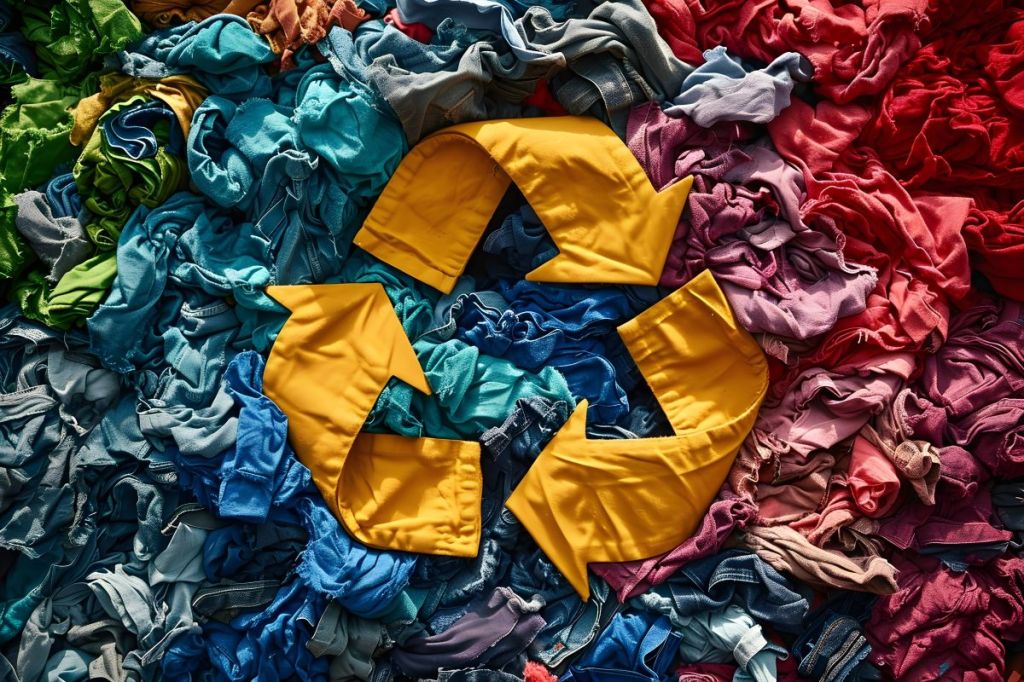
In recent years, the beauty of fashion has clashed with the harsh reality of its environmental impact. From waste generated during production to the consequences of fast fashion, the industry has come under scrutiny. Among the many concepts emerging to address these challenges, “zero waste fashion” stands out as a revolutionary approach that aims to redefine how we think about clothing and its lifecycle. This blog post dives deep into what zero waste fashion is.
The Concept of Zero Waste Fashion
Zero waste fashion is not just about reducing waste but is a holistic approach that considers every stage of a garment’s life. It challenges conventional design, production, and consumption practices by prioritising efficiency, sustainability, and responsibility.
The Principles Behind Zero Waste Fashion
- Pattern Making: At the core of zero waste fashion is the way garments are designed. Traditional fashion often generates waste through inefficient pattern cutting. Zero waste design utilises innovative techniques that eliminate surplus fabric and maximise material usage. This means that designers plan their patterns in a way that every piece of fabric is accounted for, ensuring minimal to no waste is created during the cutting process.
- Sustainable Materials: Zero waste fashion advocates for the use of sustainable materials, which includes organic cotton, Tencel, recycled polyester, and other eco friendly textiles. These materials not only reduce environmental impact but also promote a more circular economy by allowing for easier recycling and less reliance on virgin resources.
- Resource Management: Zero waste designers meticulously consider the life of a garment beyond its initial sale. This includes the energy and water used in production, how garments are washed, how long they are worn, and what happens to them at the end of their life.
- Consumer Awareness and Responsibility: Zero waste fashion encourages consumers to rethink their purchasing habits. It promotes the idea of investing in high quality pieces that are designed to last, as opposed to engaging in the cycle of fast fashion. Consumers are encouraged to choose garments mindfully, keeping in mind how they can be reused, repaired, or recycled.
- Innovative Technologies: Advances in technology are supporting the zero waste fashion movement. Software for pattern making, 3D knitting machines, and digital fabric printing are just a few innovations helping designers create products with minimal waste.
The Impact of Fast Fashion
To understand why zero waste fashion is necessary, it’s crucial to look at the impact of fast fashion. The UK, known for its vibrant fashion scene, is also a significant player in the fast fashion market. Retailers like Primark, ASOS, and Boohoo cater to a demographic that prioritises trendy clothing at low prices, resulting in massive production runs and, subsequently, a staggering amount of waste.
- Environmental Consequences: According to the Waste and Resources Action Programme (WRAP), the fashion industry in the UK is responsible for the creation of approximately 1.1 million tonnes of clothing waste each year. Much of this is not recycled or reused, ultimately ending up in landfills.
- Social Issues: Fast fashion often relies on cheap labour in developing countries, leading to significant social issues including poor working conditions and low wages.
The need for a shift towards more sustainable practices, such as zero waste fashion, aligns not only with environmental imperatives but also with ethical considerations.
Zero Waste Fashion in the UK
As awareness grows around environmental issues, zero waste fashion is gaining traction within the UK. Various designers, brands, and initiatives are paving the way, proving that sustainable fashion can be stylish and appealing to consumers.
Collaborative Initiatives
The Trees for Cities initiative in collaboration with fashion brands aims for a greener future by focusing on sustainability within the fashion industry. They work to plant trees in urban spaces while promoting eco friendly fashion practices.
British Fashion Council’s Project Positive: This campaign encourages brands to implement sustainable practices across their operations, reinforcing the importance of zero waste methods.
The Role of Education and Awareness
Education is paramount in the zero waste fashion movement. By informing individuals about sustainable practices, we can foster a culture that values environmentally friendly clothing.
Workshops and Courses
Numerous workshops and academic courses around the UK are aimed at teaching the principles of zero waste fashion:
- London College of Fashion: Offers courses that delve into sustainable fashion design, equipping future designers with knowledge on how to create zero waste garments.
- Sustainable Fashion Workshops: Various community centres and fashion hubs across the UK hold workshops aimed at teaching sewing and upcycling, empowering individuals to repair and repurpose their clothes instead of discarding them.
Social Media Influence
Social media has also played a pivotal role in amplifying the zero waste fashion message. Platforms like Instagram, Pinterest, and TikTok are filled with influencers and designers promoting sustainable clothing choices. This accessibility helps reach a younger audience and encourages them to engage with sustainable fashion more actively.
The Future of Zero Waste Fashion
As we look ahead, the future of zero waste fashion in the UK seems promising but is also filled with challenges. The fashion industry is a resilient one, but systemic change requires stakeholders, from brands to consumers to policymakers, to commit to sustainable practices.
Regulatory Support
The UK government has been under pressure to implement regulations that support sustainable fashion. Initiatives could include incentives for brands adopting zero waste practices, regulations limiting waste production, or funding for sustainable fashion startups.
Consumer Culture Shift
An ongoing cultural shift towards sustainability, particularly among younger consumers, bodes well for zero waste fashion. As demand for environmentally friendly options increases, brands will feel the incentive to adopt more sustainable practices.
Innovation in Design and Technology
The growing field of innovative textile technology will play a crucial role in advancing zero waste fashion. New materials, production methods, and recycling techniques will only enhance the industry’s capacity to create without waste.
Conclusion
Zero waste fashion is more than just a trend; it represents a significant shift in how we approach clothing and its lifecycle. By prioritising sustainable practices, innovative design, and awareness, we can contribute to a more sustainable future. As consumers in the UK become increasingly conscious of their fashion choices, the zero waste fashion movement stands to redefine not only how clothes are made but also how they are perceived, consumed, and valued. Embracing zero waste fashion isn’t merely about reducing waste; it’s about fostering a culture that respects our planet and its resources.
Engaging with zero waste fashion can help us become responsible consumers and advocates for a more sustainable industry, paving the way for future generations to enjoy fashion without compromising the health of our environment. Let’s unite in making conscious choices, supporting sustainable brands, and spreading awareness for a flourishing, waste free fashion ecosystem in the UK.
 The Blog
Leave a comment