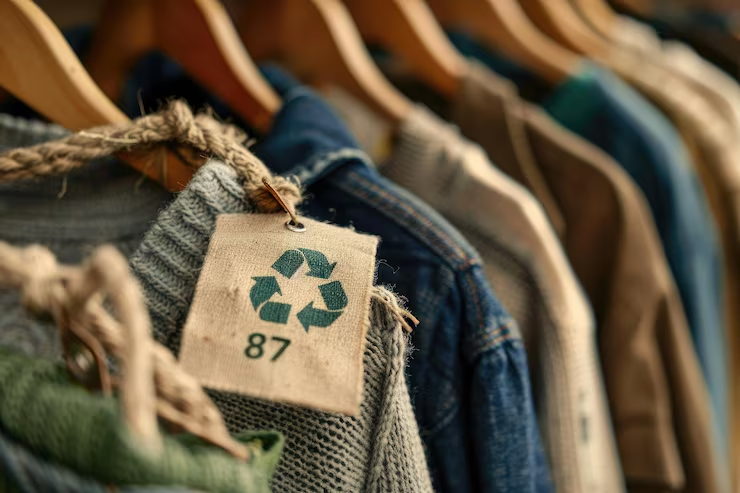
If you’ve been keeping an eye on the fashion industry lately, you probably know that clothing waste is a huge issue, especially in the UK. With fast fashion taking the world by storm, it feels like almost every day there’s a new trend that we just have to have. But what if I told you there are better ways to enjoy fashion while being kinder to the planet? Let’s dive into some practical ways you can minimise clothing waste and build a wardrobe that’s not just stylish but also sustainable.
Understanding Clothing Waste
Before jumping into how to reduce waste, it’s important to understand what clothing waste really means. In the UK, it’s estimated that 300,000 tonnes of clothing are wasted every year. Think about it: that’s like throwing away the weight of over 800,000 elephants! A large chunk of that waste comes from fast fashion, clothes that are cheap, trendy, and often end up in the bin after only a few wears.
The environmental impact is staggering. From water pollution to landfill overflow, fast fashion contributes significantly to our planet’s trouble. That’s why it’s essential to rethink our approach to fashion and consider more sustainable practices. Let’s explore some steps you can take to minimise clothing waste right from your own home.
Educate Yourself on Sustainable Fashion
Knowledge is power. Start by learning about sustainable fashion and how it differs from fast fashion. Look for brands that are committed to eco friendly practices, such as using organic materials or ethical manufacturing processes. Websites like the Better Cotton Initiative or Fashion Revolution provide insights into the fashion industry’s best practices and how you can make informed choices.
Declutter Responsibly
If you’re like most people, you probably have a closet full of clothes you never wear. Take the time to declutter, but don’t just toss everything in the bin! Instead, sort through your items and create three piles: keep, donate, and recycle.
- Keep: Only hold onto items that fit well and you genuinely love.
- Donate: Look for local charities or organisations that accept clothing donations, charities like Oxfam or The British Red Cross often welcome your pre loved garments.
- Recycle: For clothes that are too worn out to be reused, check out textile recycling points near you. Many local councils offer textile recycling services, or you can look for initiatives online.
Buy Second Hand
Instead of buying brand new items, consider shopping second hand. Charity shops are plentiful in the UK, and they’re often full of hidden gems. You can find anything from vintage t-shirts to barely worn jackets at places like Traid or Sense. Additionally, platforms like Depop, eBay, and Vinted have made it easy to buy and sell pre loved clothing from the comfort of your home.
Choose Quality Over Quantity
It’s tempting to buy multiple cheap garments, but investing in high quality pieces will serve you better in the long run. Look for timeless styles made from sustainable materials that will last you for years.
Embrace a Capsule Wardrobe
The capsule wardrobe concept involves curating a collection of versatile, timeless pieces that can be mixed and matched. This isn’t just a fashion trend; it’s a practical way to minimise clothing waste. By having a curated selection, you can reduce impulse buys and wear everything you own more frequently.
Repair Rather Than Replace
Before tossing out a favourite shirt with a tiny tear, consider repairing it! Learning basic sewing skills can save your clothes and money in the long run. Plenty of online tutorials can guide you through simple repairs. Alternatively, take it to a local tailor who can fix it up for you.
Be Mindful of Washing and Care
Did you know that your washing habits can also impact clothing waste? Washing clothes too frequently can lead to wear and tear. Plus, microfibres from synthetic fabrics can pollute our oceans. To help minimise this:
- Wash clothes less often: Only wash when they’re genuinely dirty.
- Use a Guppyfriend bag to catch microplastics during washing.
- Air dry your clothes instead of using the dryer, this is gentler on fabrics and more energy efficient.
Mind Your Trends
Fashion trends come and go, but most fads end after a few months. Instead of jumping on every trend, consider investing in classic styles that won’t go out of fashion quickly. Sustainability is about making lasting choices, so opt for pieces that can seamlessly integrate into your wardrobe for years to come.
Mindful Shopping
When shopping, ask yourself a few questions before you buy. Consider:
- Do I really need this?
- Will I wear it at least 30 times?
- Is this a quality piece that will last?
By being more mindful about your purchases, you’ll likely end up with a wardrobe that reflects your style and reduces waste.
Support Ethical Brands
Choose to support brands that have a commitment to sustainability and ethical practices. This can mean anything from using eco friendly materials to fair labour practices. Research brands before purchasing and look for certifications like Fairtrade or GOTS (Global Organic Textile Standard).
Use Fashion Rental Services
If you’ve got an event coming up and want something special without contributing to clothing waste, consider fashion rental services. Companies like My Wardrobe HQ allow you to rent high quality garments for a fraction of the retail price. You get to wear fabulous pieces without committing to a purchase that might only be worn once.
Consider a DIY Approach
If you’re crafty, why not try your hand at DIY? Upcycling old clothes into new creations can not only save waste but also let your creativity shine, the possibilities are endless.
Spread the Word
Talking about clothing waste and sustainable practices can inspire those around you. Share your journey on social media, host discussions with friends, or even start a blog to document your favourite sustainable tips. Together, we can create a community that values sustainability in fashion!
Participate in Local Initiatives
Keep an eye out for local initiatives aimed at reducing clothing waste. Many cities have clothing drives, repair cafés, and workshops focused on sustainability. Getting involved in these activities not only helps reduce waste but also connects you with like minded people.
Conclusion
As you can see, minimising clothing waste doesn’t have to be daunting. Each small step you take can contribute to a larger movement towards a sustainable, fashion forward future. Remember, it’s not about perfection, it’s about progress. By making conscious choices about what you wear and how you care for your clothes, you can make a real difference for the planet.
Let’s embrace a wardrobe that makes us feel good, both inside and out, while being kind to the earth. Happy sustainable fashion journey!
 The Blog
Leave a comment