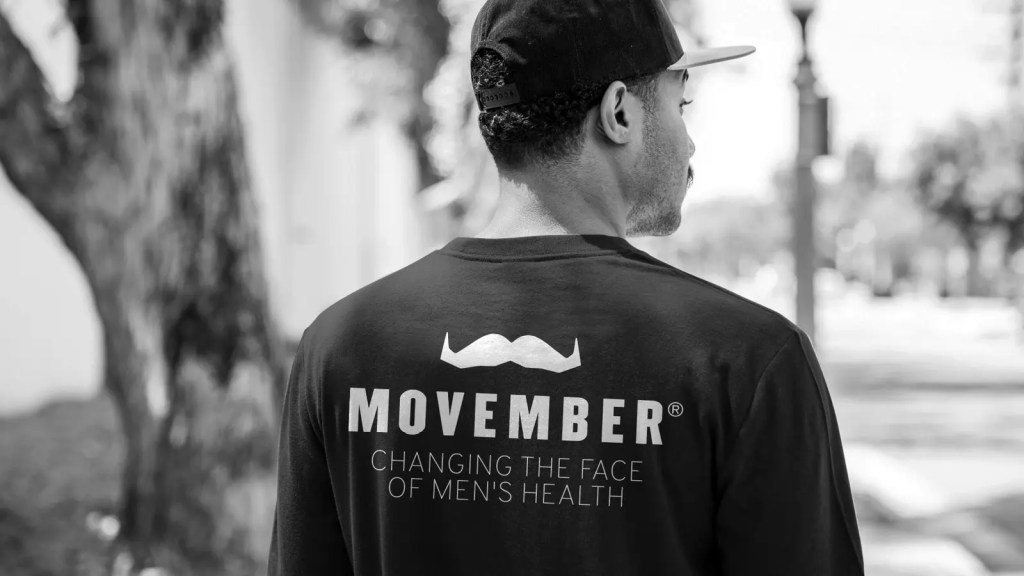
As we work our way through another November, it is time to spotlight an essential yet often overlooked aspect of our society: men’s mental health. Recognised as Men’s Mental Health Month in the UK, November presents an opportunity to engage in critical conversations surrounding mental well being among men. It runs concurrently with Movember, an initiative fostering awareness for men’s health issues, including the physical and psychological challenges that men face. Strong doesn’t mean silent. This month, and indeed every month, encourages us to reach out, speak up, and truly stay connected.
Understanding the Significance
Men’s Mental Health Month aims to raise awareness about the mental health challenges faced by men and to foster an environment where these conversations can occur openly and without stigma. Although mental health issues are prevalent across all genders, societal expectations and traditional narratives often impede men from seeking help. In fact, men are statistically less likely to reach out for support when facing mental health challenges, which can have devastating consequences.
Key Focus Areas
- Encouraging Conversations
This month serves as a vital platform to promote open dialogue about issues like anxiety, depression, and stress. Men often grapple with the notion that expressing vulnerability is a sign of weakness. Therefore, it is crucial to encourage conversations in safe and supportive environments, whether at home, in friendship circles, or within workplaces. For instance, companies and organisations can implement awareness campaigns through workshops, discussions, and resource sharing that help men articulate their feelings and mental health concerns. - Breaking Down Stigma
Central to the message of Men’s Mental Health Month is the imperative to dismantle the damaging stigma surrounding mental health and help seeking behaviours. The outdated notion that men should “tough it out” or handle their problems independently perpetuates silence. Campaigns this month will challenge these narratives and reinforce that seeking help is a sign of strength. As noted by mental health advocate Andy’s Man Club, “It’s okay to talk about your feelings. It’s okay to reach out for help.” - Promoting Support
The month highlights various resources available to men who may be struggling with their mental health. Initiatives will focus not only on professional help, such as therapy or counselling, but also the importance of support from friends and family. Whether it’s joining a local support group or simply checking in with someone, taking an active role in being there for one another is vital. Websites and organisations like Mind and Samaritans offer invaluable resources that men can turn to when in need. - Dismantling Barriers
The societal and traditional gender norms can create considerable barriers for men when it comes to discussing their mental health. Faced with a culture that often discourages vulnerability, many men may feel isolated in their struggles. Men’s Mental Health Month seeks to challenge and reshape these norms, promoting an understanding that expressing mental health concerns is not only acceptable but necessary. As the campaign tagline suggests, “Real men feel.”
The Importance of Men’s Mental Health Awareness
The importance of focusing on men’s mental health cannot be overstated. Research consistently indicates that men are less likely to seek help compared to women. A wide array of factors contributes to this disparity, including cultural conditioning, fear of judgment, and the stereotype of masculinity. According to a report by the Office for National Statistics, men in the UK are significantly more likely to die by suicide than their female counterparts, making it the leading cause of death for men under 50.
The consequences of untreated mental health issues are profound. Men often mask their struggles with anger, irritability, or aggression as a means of coping, which can further alienate them from their social support networks. According to research published in the Journal of Men’s Health, engaging in physical activities, having supportive relationships, and prioritising professional help are crucial in mitigating these risks.
Feeling isolated not only exacerbates mental health issues but can also lead to a vicious cycle of hopelessness and despair. Through initiatives around Men’s Mental Health Month, it is essential to build awareness that connection, understanding, and open dialogue can act as protective factors against the silence that so often shrouds men’s struggles.
Personal Stories and Testimonials
Numerous men have bravely shared their experiences with mental health. For example, actor and mental health advocate David Harewood spoke candidly about his experiences with anxiety and depression, stating, “I felt like I was losing my mind… I now know that sharing that story has helped others.” These personal testimonies highlight the power of vulnerability and the necessity of normalising discussions around mental well being.
Community and Connection
Community plays an integral role in fostering a supportive environment for men. During Men’s Mental Health Month, communities across the UK are encouraged to organise events, workshops, and outreach programmes aimed at engaging men in conversations about mental health. This could be anything from a men’s breakfast meeting discussing mental health topics to a walk that aims to get men moving while discussing their well being.
Platforms like the Movember Foundation not only create a supportive network but also fund programmes that challenge the status quo around men’s mental health. By promoting awareness campaigns and facilitating conversations in schools, workplaces, and local communities, we can collectively work towards dismantling the barriers that men face when it comes to expressing their mental health concerns.
Conclusion: It’s Time to Break the Silence
As we navigate through this month dedicated to men’s mental health, let us continue to peel back the layers of stigma surrounding mental health issues. The message is clear: strong doesn’t mean silent. November is not just a month for awareness; it’s a call to action for all of us to reach out and speak up.
Men’s Mental Health Month is a time for solidarity, for encouraging those around us to express themselves and for reminding ourselves that vulnerability is a cornerstone of strength. We must strive to create an environment where men feel safe to share their struggles, seek help, and support one another. Together, we can dismantle the damaging stereotypes that have long hindered men from accessing the help they need.
So, let’s take this moment to remind those around us that it’s okay to talk about feelings. It’s okay to seek help. This November, let’s stand united in advocating for men’s mental health. Reach out. Speak up. Stay strong together.
 The Blog
Leave a comment