In recent discussions surrounding the topic of rewilding within the UK, particularly as highlighted by the Guardian article “Weed-choked pavements anger residents as ‘rewilding’ divides UK towns and cities,” a range of themes and contentious points emerge. Written by @JamesMelville, the post encapsulates a growing frustration amongst residents regarding the appearance of pavements overwhelmed by wild vegetation. Specifically, Melville’s commentary reflects a sentiment that can be summarised as a critique towards local councils that seem to abdicate responsibility under the guise of promoting urban biodiversity. This debate draws attention to the critical balance between environmental sustainability and urban aesthetics, as well as the practicalities of local governance in maintaining public spaces.
Melville’s viewpoint underscores an immediate concern: the visual impact and perceived neglect that comes from allowing grass and weeds to proliferate unchecked on pavements. His assertion that “rewilding = can’t be arsed to clean” provokes a deeper inquiry into the philosophical and pragmatic implications of rewilding, a movement advocating for a return to more natural, less manicured landscapes in urban areas. This discussion is not merely about aesthetics but also touches on broader themes around biodiversity, land management, and community wellbeing.
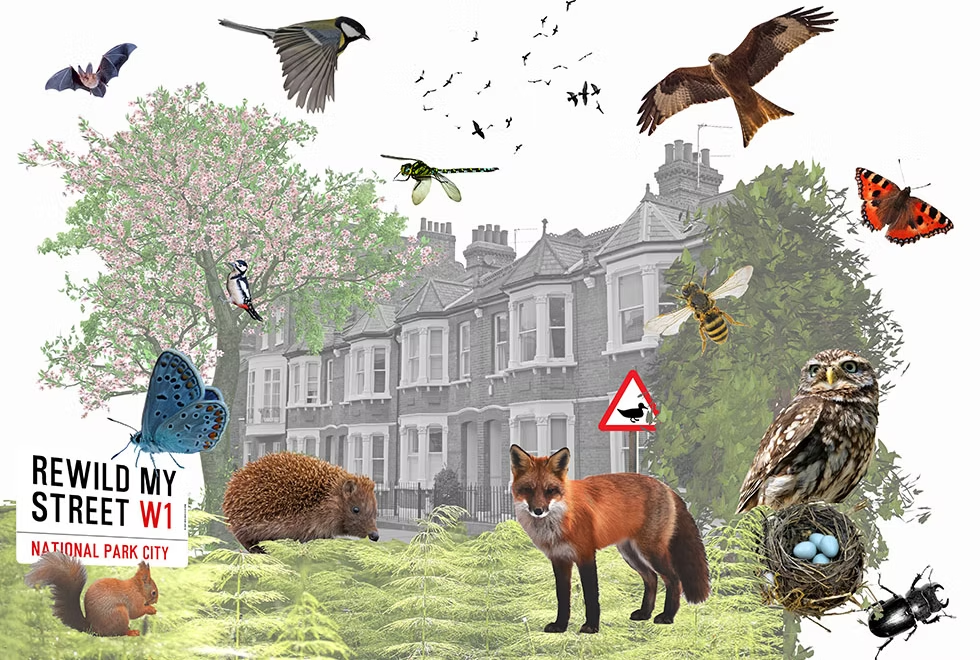
At its core, the concept of rewilding advocates for the reclamation of green spaces, promoting native flora and fauna, and fostering a diverse ecosystem within urban settings. The initiative to create natural habitats within towns and cities seeks to address the alarming decline in pollinator populations and other wildlife due to urbanisation and habitat destruction. However, the execution of these initiatives often leads to divided opinions, especially when it veers into the realm of maintenance, or lack thereof, of public thoroughfares such as pavements, gulley’s, and storm drains.
While there are many benefits to rewilding initiatives, especially in grass verges, parks, and green spaces, with potential positive impacts on mental health, community interaction, and ecological balance, there remains a pressing need for councils to maintain certain urban areas to ensure safety and accessibility. As Melville notes, the visible neglect can lead to a perception of urban areas being poorly managed, potentially exacerbating local frustration.
Could the maintenance of pavements and other urban amenities be achieved without the use of harmful chemicals? Indeed, mechanical or manual intervention may provide a viable solution. Advanced technologies and machinery designed to handle weeds sustainably offer a promising route for maintaining cleanliness while aligning with environmentally friendly practices. These innovations enable the careful balance of cultivating biodiversity in designated areas while ensuring that urban infrastructure remains functional and visually appealing.
An essential aspect of this debate revolves around the agriculture sector, particularly the opposition farmers may have towards rewilding initiatives. The contention stems from concerns regarding land ownership, with farmers possibly fearing that rewilding efforts could encroach upon agricultural land, diminishing their ability to utilise these spaces for traditional farming practices. However, deeper issues intertwine with livestock management and the implications that arise from habitat changes. It is crucial to facilitate communication between environmentalists and farmers to address these fears, providing clarity on how rewilding could coexist with traditional farming practices without compromising agricultural productivity.
The potential benefits of rewilding extend beyond ecological impacts alone. An article from the Guardian highlights that rewilding 5% of England could create up to 20,000 rural jobs. This not only speaks to a significant economic opportunity but emphasises a shift in perspective, reimagining agricultural landscapes to accommodate a more integrated approach to land use that includes wildlife conservation, leisure, and other community oriented pursuits. The effects could ripple through local economies, stimulating rural areas and fostering a sense of stewardship among communities.
By engaging community members to work hand in hand towards environmental conservation, a sense of unity can be forged, enhancing local pride and encouraging sustainable practices. This reinforces the argument that, when executed thoughtfully, rewilding initiatives can bolster community ties while addressing ecological degradation.
In conclusion, the ongoing debate surrounding rewilding in urban settings encapsulates a tapestry of themes, community aesthetics, biodiversity, agricultural practices, environmental sustainability, and economic potential. While criticisms regarding the upkeep of pavements and public spaces underscore valid concerns, they should not overshadow the broader and essential conversation about how we can harmoniously coexist with nature in a rapidly urbanising world. It is imperative that as we contemplate the future of our shared environments, we consider innovative solutions that respect local challenges while embracing the opportunities that rewilding presents. The challenge lies in finding common ground, a path forward that acknowledges the complexities of urban management while fostering a vibrant, biodiverse, and sustainable future for our communities.
 The Blog
Leave a comment