The fast fashion industry has revolutionised the way we shop, making stylish clothing more accessible than ever before. However, this convenience comes at a substantial cost to the environment. As clothing production continues to rise, the impacts on our planet are becoming increasingly evident, particularly in the UK, where consumer choices are directly linked to global supply chains. In this blog post, we will explore the environmental consequences of fast fashion and offer practical strategies for individuals and businesses to reduce this impact.
Understanding Fast Fashion
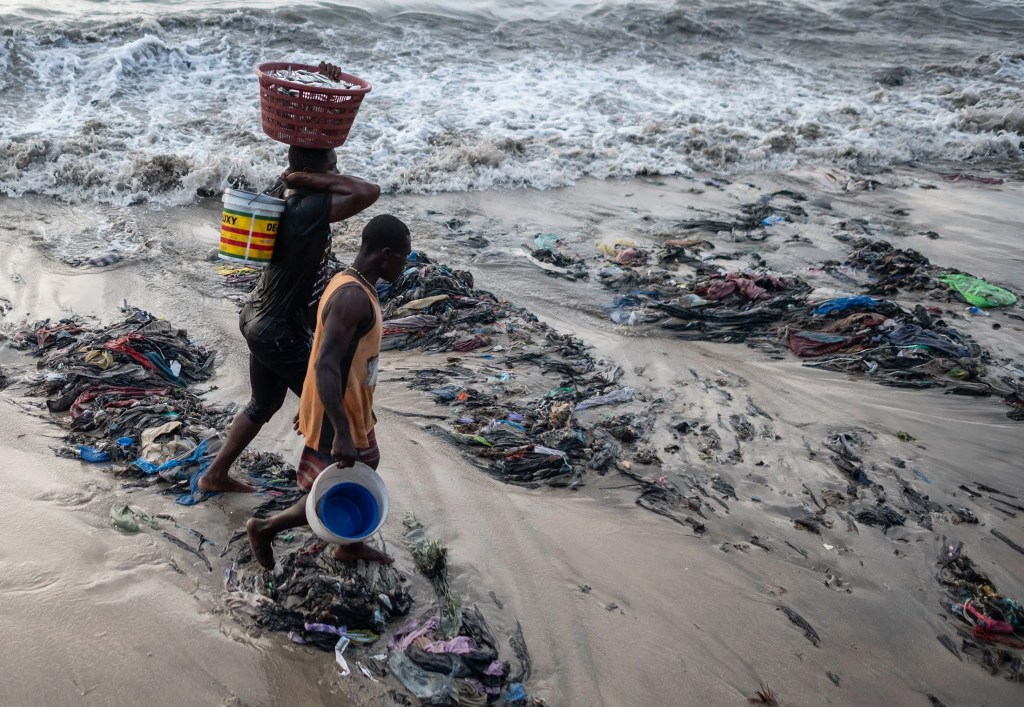
Fast fashion refers to the rapid production of inexpensive clothing to keep up with the latest trends. Brands such as H&M, Zara, and Primark have popularised this model, allowing consumers to buy more clothing at lower prices. However, this model encourages a throwaway culture, where garments are often worn only a few times before being discarded. According to the Environmental Audit Committee (EAC) in the UK, around 300,000 tonnes of clothing are sent to landfill every year, with many items being made from unsustainable materials.
The Environmental Impact
1. Resource Depletion
The fast fashion industry relies heavily on the extraction of natural resources. From cotton fields to polyester production, the environmental toll is significant. Cotton farming, for example, requires vast amounts of water. The World Wildlife Fund (WWF) estimates that it takes 7,000 litres of water to produce just one kilogram of cotton, enough for a single T-shirt and a pair of jeans. In regions heavily reliant on cotton production, water scarcity is becoming a pressing issue.
Polyester, on the other hand, is derived from petroleum, a finite resource. The production of polyester contributes to environmental pollution and greenhouse gas emissions, further exacerbating climate change. With the UK being a significant importer of clothing, the carbon footprint associated with these materials is considerable.
2. Waste Generation
The waste generated by the fast fashion industry is staggering. The UK’s Recycle Now campaign reports that 1 in 5 clothing items are worn just once. Consequently, millions of garments are discarded each year, creating enormous waste in landfills. The decomposition of textiles can take years, during which they release methane, a potent greenhouse gas, into the atmosphere.
Moreover, many fast fashion garments are made from synthetic materials that do not biodegrade. This contributes to microplastic pollution in our oceans, posing a significant threat to marine life and ecosystems. A study published by the Ellen MacArthur Foundation indicates that a single wash of synthetic fabrics can release up to 700,000 microfibres into the environment.
3. Pollution and Chemical Use
Fast fashion production is also linked to water pollution due to the use of harmful chemicals in dyeing and finishing processes. The Environmental Protection Agency (EPA) has found that the textile industry is one of the largest polluters of fresh water globally. In many countries where fast fashion is produced, waterways are contaminated with toxic chemicals, directly impacting local communities.
Reducing the Environmental Impact
1. Adopt Sustainable Fashion Choices
Buy Less, Choose Wisely: The first step in combating the effects of fast fashion is to reduce consumption. Before making a purchase, consider whether you truly need the item. The “30 Wears” campaign encourages consumers to ask themselves if they will wear a piece of clothing at least 30 times before buying. Embracing quality over quantity leads to better choices and reduces overall consumption.
Support Sustainable Brands: Look for brands that prioritise sustainability, ethical labour practices, and environmentally friendly materials. By supporting these brands, consumers can drive change within the industry.
2. Embrace Second Hand Shopping
The rise of thrift shopping and clothing swaps presents a viable alternative to fast fashion. Charity shops, vintage stores, and online platforms like Depop have made it easier for consumers to find unique pieces while extending the life of garments. According to WRAP (Waste and Resources Action Programme), extending the life of our clothing by just nine months can significantly reduce its carbon footprint, water usage, and waste.
3. Care for Your Clothes
Proper care can significantly extend the life of your garments. Simple practices such as washing clothes at lower temperatures, air drying instead of tumble drying, and repairing minor damages can help maintain clothing quality. The ‘Love Your Clothes’ campaign offers resources and tips to help consumers care for their garments effectively.
4. Promote Recycling and Upcycling
Engaging in recycling and upcycling initiatives can divert clothing from landfills. Many brands offer garment collection schemes, where customers can send back unwanted clothing for recycling. Upcycling, which involves repurposing clothing into new items, is another creative way to give garments a second life. Workshops and tutorials are available, enabling individuals to learn new skills while being environmentally conscious.
5. Advocate for Change
Advocacy plays a crucial role in addressing the fast fashion crisis. By supporting policies that encourage sustainable practices within the fashion industry, consumers can push for change. Joining campaigns like Fashion Revolution and signing petitions aimed at promoting ethical fashion can amplify your voice.
6. Educate Yourself and Others
Staying informed about the impact of fast fashion and sharing this knowledge with friends and family can foster a sense of community and drive collective change. Consider hosting discussions or workshops on sustainable fashion, where participants can learn about the environmental issues associated with fast fashion and explore alternative choices together.
Conclusion
The fast fashion industry has profoundly impacted our environment, from resource depletion to waste generation and pollution. However, by making conscious choices, supporting sustainable brands, embracing second hand shopping, and advocating for change, individuals can significantly reduce their environmental footprint. As awareness of these issues grows, it is essential for consumers to leverage their collective power to influence the fashion industry and foster practices that align with a more sustainable future.
As we move forward, let’s remember that every small change makes a difference. With our collective efforts, we can combat the detrimental effects of fast fashion and pave the way for a more sustainable, environmentally friendly fashion industry. Together, we hold the power to influence change and protect our planet for future generations.
 The Blog
Leave a comment