In recent years, the fashion industry has come under scrutiny for its significant environmental impact. Among the mounting concerns is the issue of waste, where millions of tonnes of fabric end up in landfills every year. Zero waste fashion is a concept that promises to revolutionise how we approach clothing production, consumption, and disposal. This blog post explores the principles of zero waste fashion, examining its importance, methods, and potential future directions in the industry.
Understanding Zero Waste Fashion
Zero waste fashion is an innovative approach that seeks to eliminate textile waste during the design and production process. This philosophy revolves around the idea that garments should be created without producing any offcuts or scraps. By redefining the design process, zero waste fashion encourages designers to think critically about how their garments will be constructed and the materials they will use.
The roots of zero waste fashion can be traced back to several pioneering designers who have championed the cause. For instance, designer Holly McQuillan has been at the forefront of promoting zero waste principles, particularly within the realm of sustainable menswear. Her work embodies the belief that intelligent pattern making and innovative design can lead to reduced waste.
The Relevance of Zero Waste Fashion for Menswear
Why should the menswear sector take note of zero waste fashion? The sheer volume of clothing produced and discarded annually paints a concerning picture. According to the Waste and Resources Action Programme (WRAP), the average UK consumer buys 60 new items of clothing each year, leading to significant textile waste. As fashion trends shift at a lightning pace, menswear is not immune to the pressures of fast fashion.
An emphasis on zero waste practices in menswear can shift the narrative. It encourages consumers, brands, and designers to critically consider the lifecycle of garments. The aim is not only to reduce waste but also to create a more sustainable and ethical fashion industry.
Principles of Zero Waste Fashion
The core principles of zero waste fashion encapsulate both environmental consciousness and ethical considerations.
- Design for Use: By designing with the end use in mind, designers can consider the longevity of a garment. Investing time in creating timeless styles that withstand fleeting trends can significantly reduce waste.
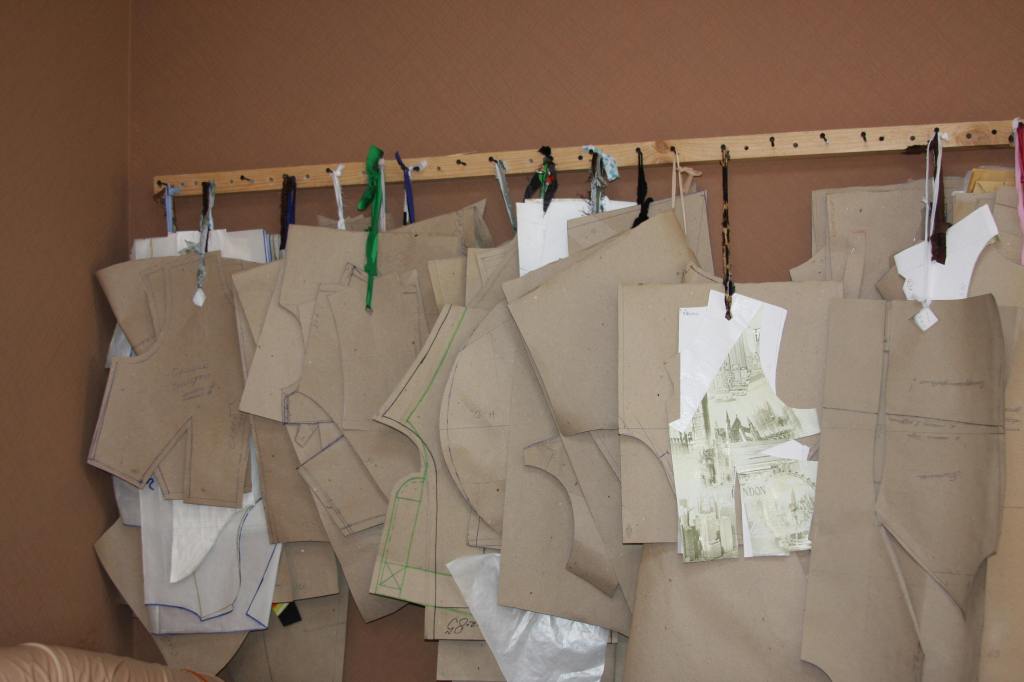
- Innovative Pattern Making: Zero waste fashion employs intricate pattern making techniques, where designers create garments that utilise the entire fabric without generating offcuts. A well known pattern cutting method is “tessellation,” that is, lining up the pieces without gaps or overlays.
- Upcycling and Recycling: Incorporating upcycled materials into new designs serves as both an environmentally friendly practice and a distinctive aesthetic choice. The blending of materials can yield unique pieces that stand out.
- Transparency in Production: Brands must communicate how and where their garments are produced. This fosters trust and allows consumers to make more informed purchasing choices.
- Consumer Education: One of the significant challenges in transitioning to zero waste fashion lies in educating consumers. Understanding the value of high quality, sustainable pieces over fast fashion can energise a movement towards responsible consumption.
Key Players in Zero Waste Menswear
Several brands and designers in the UK have emerged as key players in the zero waste menswear movement, showcasing innovative designs and sustainable practices:
- Fashion Revolution: This global movement promotes more ethical and sustainable fashion, raising awareness about the actual cost of clothing production. Aside from advocacy, they provide valuable insights into zero waste practices.
- Levi’s Water: While Levi’s is a globally recognised brand, their Water<Less® initiative aims to reduce water waste in denim production. Such eco-conscious practices are essential in menswear, especially considering denim’s popularity.
Zero Waste Fashion Trends in Menswear
- Oversized Cuts: This trend not only provides comfort but reduces fabric waste. By employing larger pieces of fabric rather than tightly tailored styles, more clothing can be fashioned from the same material.
- Modular Garments: Some designers are conceptualising modular menswear pieces that can be tailored to different styles and occasions, thereby increasing the utility of a single garment. This versatility reduces the need for additional clothing.
- Gender Neutral Collections: Offering gender neutral clothing can help reduce waste since it broadens target demographics. Designers increasingly produce garments that fit multiple body types, appealing to more consumers.
- Local Production: The move towards local production not only supports domestic economies but also reduces waste caused by transportation and distribution. This trend bolsters communities while lessening the carbon footprint of menswear.
Challenges in Adopting Zero Waste Fashion
As promising as zero waste fashion may be, several challenges hinder its widespread adoption:
- Cost of Production: Producing garments without waste requires meticulous planning and often more expensive materials, which can deter brands focused on mass production.
- Consumer Habits: Changing consumer behaviour can be a monumental task. Many consumers remain attached to fast fashion due to lower prices and rapid turnover.
- Education: Raising awareness about the advantages of zero waste fashion is essential. Fashion brands, academia, and influencers must work collaboratively to facilitate understanding around sustainable practices.
- Sourcing Materials: Finding high quality, sustainable materials that align with zero waste principles can pose a significant challenge for many menswear brands.
The Future of Zero Waste Fashion in Menswear
Looking ahead, the potential for zero waste fashion in menswear is promising. The demand for sustainable and conscious clothing is rising, signalling a shift in consumer priorities. As younger generations become increasingly aware of environmental issues, they seek out brands that resonate with their values.
- Research and Development: Increased research into sustainable materials and manufacturing practices will be crucial for innovation in menswear. Collaborations between designers and material scientists could lead to groundbreaking alternative textiles.
- Consumer Centric Approach: Brands must consider the needs and desires of consumers, focusing on transparency and engagement. Building strong connections can enhance loyalty and drive the zero waste narrative.
- Community Building: Amplifying collaborative efforts within the industry through workshops and community events can cultivate a culture centered around sustainability. This collective mindset will drive change more effectively than individual brands can achieve alone.
- Policy Advocacy: Lobbying for policy changes that encourage sustainable practices may influence wider adoption of zero waste fashion. Educating policymakers and stakeholders about the long term benefits can pave the way for legislative support.
Conclusion
Zero waste fashion holds exciting possibilities for menswear. By seamlessly integrating sustainability into design and production processes, we can significantly mitigate the environmental impact of the industry. Engaging brands, designers, and consumers in the conversation is essential to shifting attitudes and practices towards a more sustainable future.
As we strive to redefine our relationship with clothing, zero waste menswear offers not only a potential solution but also invites a reimagining of style, quality, and individuality. With a combined effort from industry stakeholders, consumers can turn these ideas into a reality. For a healthier planet, embracing zero waste principles may just be the way forward in crafting a responsible and stylish future.
This exploration has aimed to provide a comprehensive understanding of zero waste fashion from a menswear perspective, underscoring the significant changes required, practical, educational, attitudes, feelings, and opinions. By remaining informed and invested in sustainable practices, we can all contribute to a retail environment that values quality over quantity, fostering a planet friendly approach to fashion.
 The Blog
Leave a comment