In recent years, the fashion industry has increasingly turned its focus toward sustainability and ethical practices. This shift reflects a growing consciousness among consumers who seek to make better choices for the planet and its inhabitants. Amid this sea change in the way we view clothing, one topic that has garnered notable attention is the ethical implications of wool production. A Google search for “Sustainable Fashion Topic Ideas for Conscious Bloggers” revealed intriguing insights when #9 on a list of 13 ideas proposed the importance of discussing “Cruelty-Free Clothing Alternatives to Wool Fashion.”
The conversation surrounding wool has been particularly heated, especially following campaigns such as the one by PETA that claimed, “Wool is just as cruel as fur.” Such statements can be jarring and often prompt us to further examine the ethics of animal agriculture and the implications of various materials used in fashion. While PETA’s position aims to draw attention to the ethical qualities of wool, it is crucial to analyse these claims in the specific context of the United Kingdom, where animal welfare standards are notably stringent, particularly regarding sheep farming.
Understanding Wool Production in the UK
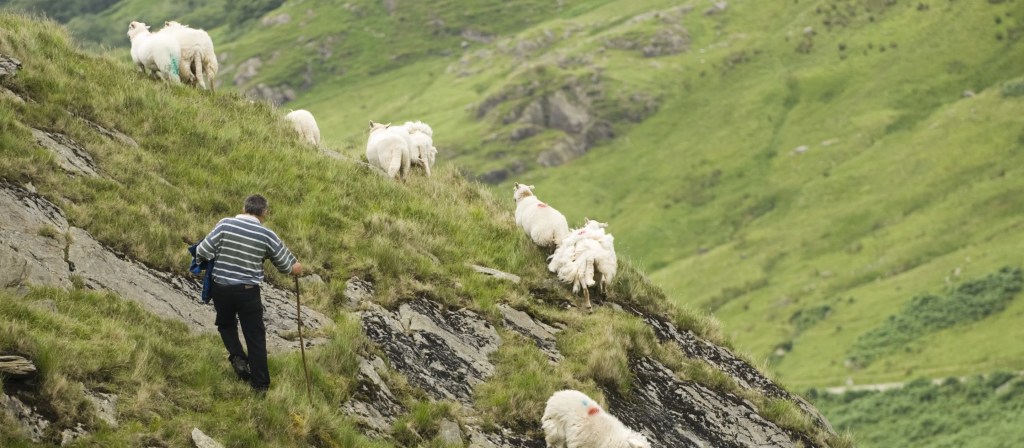
In the UK, sheep farming operates under a framework that emphasises the welfare of the animals. Unlike many other countries, the UK has robust regulations to ensure that sheep live healthy lives. Shearing, a common practice in the wool industry, is often mischaracterised in discussions about animal rights. The truth is that shearing is essential to the well being of the sheep.
Why Is Shearing Essential?
Wool sheep, such as the popular Merino breed, are bred to produce significant amounts of fleece. If left unshorn, the wool can become matted, making it increasingly difficult for the sheep to navigate their environment. Matting can lead to health problems, including skin infections, overheating, and difficulty moving. Therefore, shearing sheep serves not just an economic purpose but also a vital health function. Most of the time, sheep are sheared once a year, typically in the warmer months, to alleviate the discomfort associated with excess wool.
Additionally, it is essential to recognise that responsible sheep farmers take pride in their animals and often engage in practices that prioritise their well being. These farmers understand that the health of the sheep directly correlates to the quality of the wool produced. Thus, it is vital to support brands that engage with ethical sheep farmers who prioritise their sheep’s health in their farming practices.
Examining the Criticism of Wool
The claim that “Wool is just as cruel as fur” generated backlash and spurred discussions that merit exploration. Many animal rights activists point to horror stories of inhumane treatment within the wool industry’s darker corners, including the mistreatment of sheep during shearing or ensuring appropriate living conditions.
These criticisms, while valid in certain contexts, primarily arise from problematic farming practices that reflect poor animal husbandry rather than the inherent nature of wool production. It is essential to differentiate between unethical farming practices and reputable brands that prioritise ethical animal treatment.
Furthermore, the negative portrayal of wool may undermine the opportunities available for conscious consumers to support ethical choices by equating all wool production with abuse. In reality, with proper sourcing, it’s possible to find wool products originating from farms with high animal welfare standards preserved.
Alternative Materials: The Landscape of Sustainable Fashion
While some may deem wool unfashionable due to the controversies surrounding it, the quest for cruelty free alternatives has led to a wide exploration of materials that can serve as substitutes for those who may wish to avoid wool altogether. Let’s take a look at a few popular alternatives, while assessing their ethical implications:
- Acrylic: This synthetic material is often used as a cheaper alternative to wool. However, acrylic production involves petrochemicals, which can have harmful environmental impacts. Furthermore, acrylic does not enjoy biodegradability, meaning it contributes to microplastic pollution in our waterways.
- Cotton: Organic cotton is another alternative that consumers could embrace. While encouraged for being a plant based option, non organic cotton farming is often reliant on pesticides and environmentally taxing agricultural practices. Organic cotton promotes sustainability yet still has environmental considerations such as water usage.
- Tencel (Lyocell): Derived from sustainably sourced wood pulp, Tencel is biodegradable and often produced in closed loop systems to minimise waste. This material is softer and breathable, making it a noteworthy alternative, although it is not entirely free from environmental concerns associated with wood sourcing.
- Bamboo: Bamboo fabric is touted for its rapid growth and potential sustainability, but the process of converting bamboo into fabric can be chemical intensive. Like other alternatives, it requires careful sourcing to ensure ethical and sustainable production practices.
- Recycled Materials: Another emerging trend is the utilisation of recycled textiles, which often help divert waste from landfills. Brands that recycle wool or use post consumer materials represent a fascinating intersection of sustainable fashion choices.
While these alternatives offer some promise, it is important to understand their lifecycle and production implications fully. Many alternatives lack the efficacy and sustainability of responsibly sourced wool, which makes the choice a nuanced one that cannot be made lightly.
The Case for Ethical Wool
As we reassess all of our clothing material choices, it’s clear that ethical wool can remain a viable option as long as consumers do their due diligence. Choosing wool products sourced from brands that prioritise animal welfare means supporting ethical farming practices. The existence of reputable wool companies ensures that responsible sheep farming will endure, enabling conscious consumers to feel confident in their purchases.
Conclusion: Making Informed Choices
In the pursuit of sustainable and cruelty free fashion, it is essential to remember that not all materials are created equal. Each option has its pros and cons, and ultimately, choosing the right fabric requires careful consideration of our values along with rigorous research about the source of those materials.
As long as consumers are informed and can verify that the wool they are purchasing is from ethical sources, there is no inherent need to reject wool altogether. Responsible choice making, by connecting with brands promoting high animal welfare standards, allows consumers the opportunity to enjoy the benefits of wool without compromising their ethical principles.
The conversation around sustainable fashion continues to evolve, but by supporting ethical alternatives and maintaining a discerning lens through which to navigate clothing purchases, the journey toward a compassionate and mindful wardrobe becomes ever more achievable. The UK sheep farming landscape offers a reliable narrative on how ethical wool production, associated with the legacy of animal welfare, ensures that wool can coexist harmoniously alongside sustainability efforts while remaining an essential fabric within conscientious fashion.
 The Blog
Leave a comment