When it comes to fashion, the conversation has steadily shifted from fast fashion’s fleeting trends to a more thoughtful approach that prioritises sustainability. As consumers, we’re becoming increasingly aware of the impact of our choices, not just for the environment but also for our wallets. Investing in sustainable fabrics is not just about making a one time purchase; it’s about learning how to care for these materials so they last longer and reduce the need to buy more. In this article, we’ll explore some practical tips for maintaining sustainable fabrics and explore ideas about their significance in our wardrobes.
Understanding Sustainable Fabrics
Sustainable fabrics are made from eco-friendly materials and are often designed with a minimal environmental footprint in mind. This includes organic cotton, recycled polyester, hemp, Tencel™, and more. The goal is to create textiles that not only benefit the wearer but also have a positive impact on the environment.
- Organic Cotton: Unlike conventional cotton, which is often treated with harmful pesticides and chemicals, organic cotton is grown without these harmful substances. It’s not only better for the environment but also gentler on the skin.
- Recycled Polyester: Made from post consumer plastic bottles, this fabric diverts waste from landfills and reduces the demand for virgin plastics. It’s durable and stylish.
- Hemp: One of the most sustainable fabrics available, hemp requires little water and can grow in diverse climates. It naturally resists mold and can be extremely durable, making it a great option for various garments.
- Tencel™ (Lyocell): Made from sustainable wood sources, Tencel™ has a lower environmental impact due to its closed loop production process. It’s known for its soft feel and breathability.
- Bamboo: Often praised for its rapid growth and minimal resources needed, bamboo can be transformed into fabric that is soft, breathable, and biodegradable.
Importance of Caring for Sustainable Fabrics
Caring for sustainable fabrics can sometimes feel overwhelming, especially if you’re new to the idea of making your clothes last. However, proper care will help you prolong the lifespan of your garments and reduce environmental harm. Think about how many times you’ve done laundry, only to realise you’ve shrunk that favourite top or discoloured expensive white cotton. Here are some easy and effective tips to help you give your sustainable styles the love they deserve.
General Maintenance Tips
- Read Labels: Always check the care label on your garments. This will give you instructions tailored to the specific fabric, ensuring that you treat each piece correctly. For example, some fabrics may require hand washing or a cold wash.
- Wash Less Often: One of the easiest ways to care for your clothes is to simply wash them less. Our obsession with cleanliness can often lead to over washing. Instead, try airing out your garments to refresh them, which can help preserve the fabric integrity.
- Cool Wash Settings: When it’s time to wash, use cool or lukewarm water. Hot water can cause fabrics to fade or shrink.
- Eco-Friendly Detergents: Consider using biodegradable laundry detergents, as they are gentler on the environment and often better for sensitive skin. Some popular UK retail options include refill stores or brands that focus on sustainability.
- Avoid Fabric Softeners: Many fabric softeners leave a film on clothes that can build up over time and affect breathability. Instead, consider using white vinegar in the rinse cycle to naturally soften your laundry.
Storage Solutions
- Keep it Dry: Ensure your garments are stored in a dry place to prevent mold and mildew, especially for fabrics like hemp that can be more susceptible to moisture.
- Avoid Direct Sunlight: Hang or fold your clothes in a way that avoids direct sunlight, which can fade colours over time. UV rays can be quite damaging, even to so called colourfast fabrics.
- Use Hangers Wisely: Choosing the right hanger can make a difference. For delicate fabrics, opt for padded or wooden hangers, while sturdier materials can handle wire hangers without concern.
Delicate Fabrics
- Hand Wash When Needed: For more delicate sustainable fabrics like Tencel and bamboo, hand washing is often more gentle and effective. Fill a basin with cool water, add a small amount of eco-friendly detergent, and gently agitate without twisting.
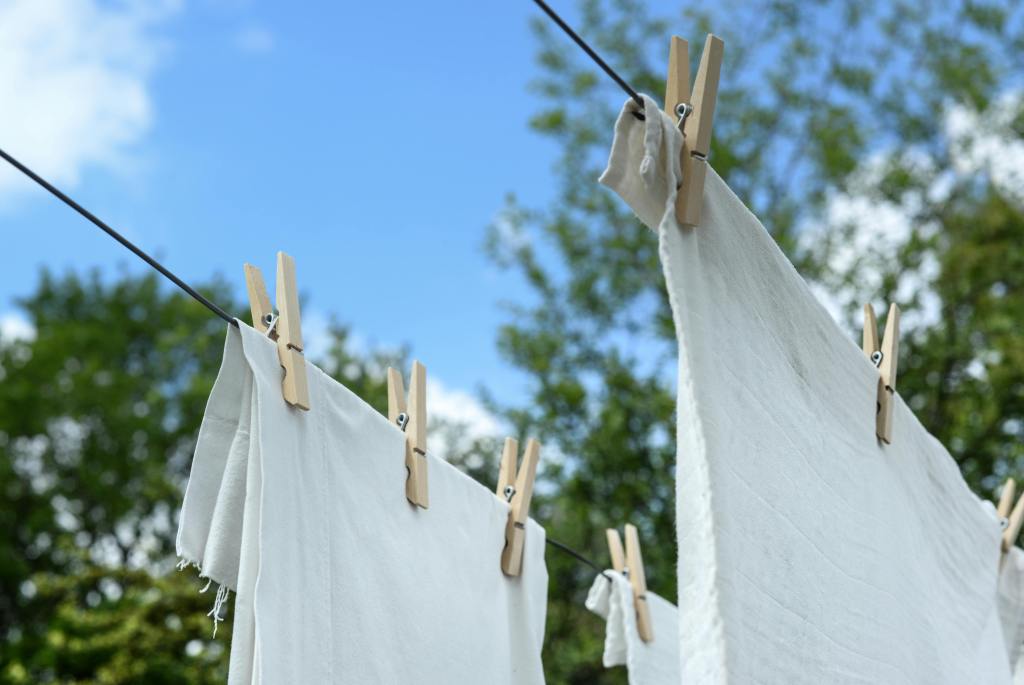
- Air Dry: Instead of using a tumble dryer, which can be rough on fabrics, allow your clothes to air dry. Lay them flat or hang them up, depending on the item. If you need to speed up the drying process, a dehumidifier can help.
- Ironing Tips: If ironing is necessary, always check the fabric settings on your iron. Use a low heat or steam option for delicate fabrics and place a cloth between the iron and fabric to avoid scorching.
- Stain Removal Strategies: For accidental spills, tackle stains promptly. Dabbing the stain (don’t rub!) with cold water can prevent it from setting. If needed, use an eco-friendly stain remover specific to the fabric type.
Clothing Care Techniques
- Pilling Prevention: Pilling can often be a concern with natural fibres like cotton and wool. To minimise this, choose looser weaves, and stay away from abrasive surfaces. If pilling does occur, a lint shaver can help keep your clothes looking fresh.
- Rotate Your Wardrobe: Try to rotate your clothes rather than wearing the same pieces consecutively. This helps reduce wear and tear and gives your garments a chance to rest.
- Don’t Overstuff Drawers: A packed drawer can lead to clothes becoming creased or damaged. Try to keep items neat to avoid unnecessary pressure on seams and fabrics.
- Repurpose and Upcycle: When your clothes start to wear out or fall out of style, think about ways to repurpose them instead of throwing them away. Old T-shirts can become cleaning rags.
Sustainable Alterations
- Find a Tailor: Consider taking garments to a tailor for adjustments rather than sending them to landfills. A good tailor can help make things fit better, ensuring you feel great in your clothes, and extend their life.
- DIY Repair: If you’re crafty, look into simple repairs you can do yourself. Sewing buttons, stitching small tears, or darning holes can be fulfilling and keep your sustainable pieces in rotation longer.
- Swap and Share: Organising a clothing swap with friends or community groups can reduce waste and give your wardrobe a refresh. This type of exchange encourages sustainability and helps you find new treasures without shopping.
End of Life Considerations
- Recycling Options: When a garment is truly at the end of its life, ensure you recycle responsibly. Many councils in the UK have textile recycling options. Look for local charities or recycling programmes, as some shops take back old clothes.
- Donating: If your sustainable fabric garments are still in reasonable shape, donating them to charity or local groups can give them a new life with someone who might need them.
- Composting: Natural fabrics may be compostable, but be sure to check that they don’t have synthetic blends or non-biodegradable elements. Pure cotton or linen, for instance, can break down and return nutrients to the earth.
Conclusion
Caring for sustainable fabrics is a vital practice to ensure that our conscious choices continue to have a positive impact. By implementing mindful washing, proper storage techniques, and prioritising repairs, you not only extend the life of your clothes but also honour the planet. As more of us embrace this sustainable approach to fashion, we can enjoy our wardrobes while being kinder to Mother Earth.
Being aware of how we treat our clothes is a huge step toward becoming more sustainable in our daily lives. With each garment we care for, we can help create a culture of sustainability in fashion, one piece at a time. So go ahead and love those sustainable fabrics, with a little care, they can bring joy to your life for years!
 The Blog
Leave a comment