We live in a world soaked in sensations. Swirling aromas, dazzling colours, textural wonders, and the promise of an experience that transcends the ordinary, this is what our modern society sells us. Marketers capitalise on our instincts, convincing us that pleasure is not only important but essential, and they parade luxurious products before our eyes as if they hold the key to happiness. Among these pleasures, few are as revered as fine wine. Whether it’s a vintage from Bordeaux or a craft cocktail from your favourite speakeasy, the world of indulgence has captivated many, myself included.
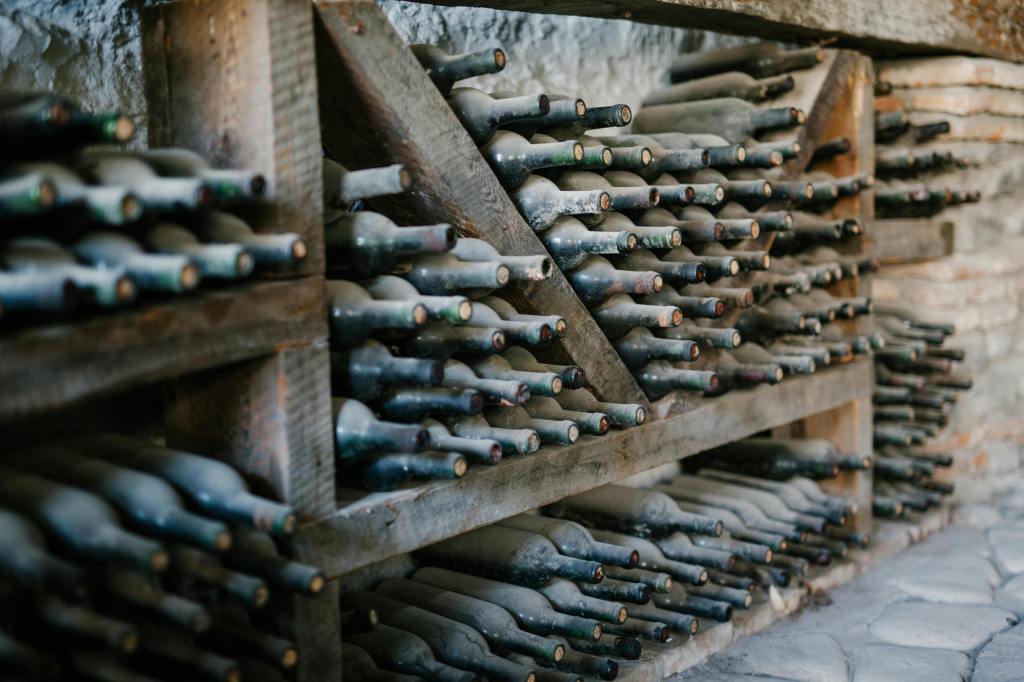
Yet, as we dive into the depths of indulgence, it’s worth pausing and reflecting on the wisdom of Stoic philosophers, particularly Seneca, who left us some thought provoking insights. In his Moral Letters, specifically Letter 77, he delivers a stinging dismissal of the value we place on lavish tastes. He notes, “You know what wine and liqueur tastes like. It makes no difference whether a hundred or a thousand bottles pass through your bladder, you are nothing more than a filter.”
So what’s Seneca really saying here? At first glance, it might seem like he’s just being a buzzkill, but he’s actually raising a critical point about the nature of pleasure. He argues that the euphoric experience of sipping a fine wine is fleeting. Sure, it might burst with flavour, but ultimately, it doesn’t change who you are or the essence of your life. The act of consumption, whether you indulge in the cheap stuff or splurge on the high end variety, ultimately results in the same conclusion: a biological process that leaves us as mere conduits, filtering through experiences without lasting impact.
A Reflection on the Transitory Nature of Pleasure
Let’s break this down a bit. Picture an extravagant dinner party. The conversation crackles, the music flows, and the wine, a delicate Merlot, pours freely. Each sip feels exquisite, invoking joy and laughter among friends. It’s a beautiful moment without a doubt, but as the evening unfolds, we’re left with the same inevitable truth: once consumed, that wine, and the experience, translates into our body’s natural process, unfurling our consumption into nothing more than waste.
What does that tell us about our pursuit of pleasure? More often than not, these moments, as exciting as they may be, are ephemeral. It’s not about shaming the act of enjoying a good meal or a fine vintage, but rather about putting these pleasures in their rightful place in the grand scheme of life. As Seneca rightly points out, by chasing after these fleeting pleasures, we might just be distracting ourselves from the pursuit of a virtuous life, something far more lasting.
Let’s reflect on our social customs and conventions. We often equate success with accumulation. Consume more, work harder, spend lavishly, or collect exclusive items and experiences, and you’ll be seen as successful, right? But at the end of the day, does it really reward us? Engaging in this cycle often just leads to a hollow feeling. You might garner accolades for your extensive wine collection or your gourmet knowledge, but it means nothing in the grander tapestry of existence. Seneca’s words encourage us to rethink our relationship with fleeting pleasures.
Wine Snobs and the Illusion of Value
It’s amusing to consider how many of us fall prey to the snobbish allure of fine wines and spirits. We attend tastings, learn about tannins and terroir, and educate our palates to discern the subtle differences between various vintages. In this journey, we sometimes become more enamored with the prestige associated with these sophisticated tastes than with the actual enjoyment they bring. If success in adulthood looks like being a wine connoisseur equipped with a cellar full of prestigious bottles, we surely miss the point.
Seneca’s point here is clear: the appeal of wine (or any edible pleasure) can easily turn into a distraction, morphing from joyous indulgence to obsession, a status symbol in a society hell bent on showcasing how ‘well off’ we are. The insatiable quest for unique flavour profiles can slightly overshadow what it really means to lead a fulfilling life. In the end, the act of drinking fine wine does not elevate your soul; it simply fills your glass, after which, you and your friends still need to engage in genuine connection, intellectual pursuits, and compassion towards others.
The Burden of Excess
Consider this: at some point, we all grapple with our desires. The craving for the newest gadget, the latest culinary trend, or the trendiest craft beer can lead us into the realm of excess. We’re conditioned to believe that more is better, more experiences, more possessions, more accolades. Yet, where does it lead us? In the pursuit of excess, we often suffocate ourselves in responsibilities, stress, and a constant cycle of wanting more. We cling to the idea of success as mirrored through what we accumulate.
While you may see a trophy in your wine collection or tech gadgets that highlight your sophistication, in reality, they simply become a burden, a weight on your perception of necessary existence. The key to a fulfilling life isn’t about how much we have but how much we genuinely appreciate the moments we exist within. Even if you consider yourself a foodie, audiophile, or a tech enthusiast, that desire, as exhilarating as it can be, also leads us to miss out on more incredibly valuable experiences.
Finding Balance: A Stoic Approach
To truly appreciate life, we may need to rethink our relationship with pleasure. Stoicism isn’t about denial of pleasure; rather, it encourages finding balance. What does that look like? It means engaging with pleasures mindfully, enjoying them for what they are without letting our lives revolve around them. You don’t get a prize at the end of your life for having indulged the most or for having hosted the fanciest parties.
If you find yourself in a perpetual cycle of craving, this meditation might help reduce the luster of those fleeting pleasures. When you catch yourself daydreaming about the perfect vintage or the latest hot restaurant, consider what truly fulfills you. Dive deeper into philosophical texts like those of Seneca, explore meaningful conversations, or invest in experiences with loved ones instead of empty indulgences.
The next time the allure of opulence calls or you’re tempted by the charcuterie board paired with that prized bottle of claret, take a moment to reflect on Seneca’s wisdom. Sure, indulge now and again, and relish the flavours of life, but remember, the true worth lies not in the accumulation of pleasures but in the richness of experiences that nurture your spirit. They are fleeting, like a well aged wine, and can evoke memories, but the essence remains in how these moments shape your vision and connection with the world around you.
Conclusion: Choosing Depth Over Breadth
Life is a journey, and the ultimate goal should be to seek depth rather than breadth. To cultivate an enriching existence filled with moments that resonate within us rather than mere superficial experiences that float past like a fine wine wasted on a fleeting conversation. In doing so, we may find greater satisfaction not merely in consumption but in conscious experience.
The next time you ponder the luster of a luxury item or a fine vintage, take a rewind cue from Seneca. Appreciate, enjoy, but don’t let it become your identity. Let it pass through you, not just your bladder, but through your experiences and connections, resonating on deeper levels that remind you of the beauty and fleeting nature of existence itself. When we approach pleasure with this understanding, that’s when we can truly savour it in all its transient glory, without letting it define who we are.
 The Blog
Leave a comment