In recent years, the fashion industry has been scrutinised for its environmental impact, overflowing landfills, toxic waste, and the sheer volume of resources required to create millions of garments. Let’s explore the idea of circular fashion, a fresh perspective aimed at transforming the way we design, produce, and consume clothing. This article will take you through the clothing lifecycle, emphasising the fundamental principles of circular fashion and its mission to create a more sustainable industry.
What is Circular Fashion?
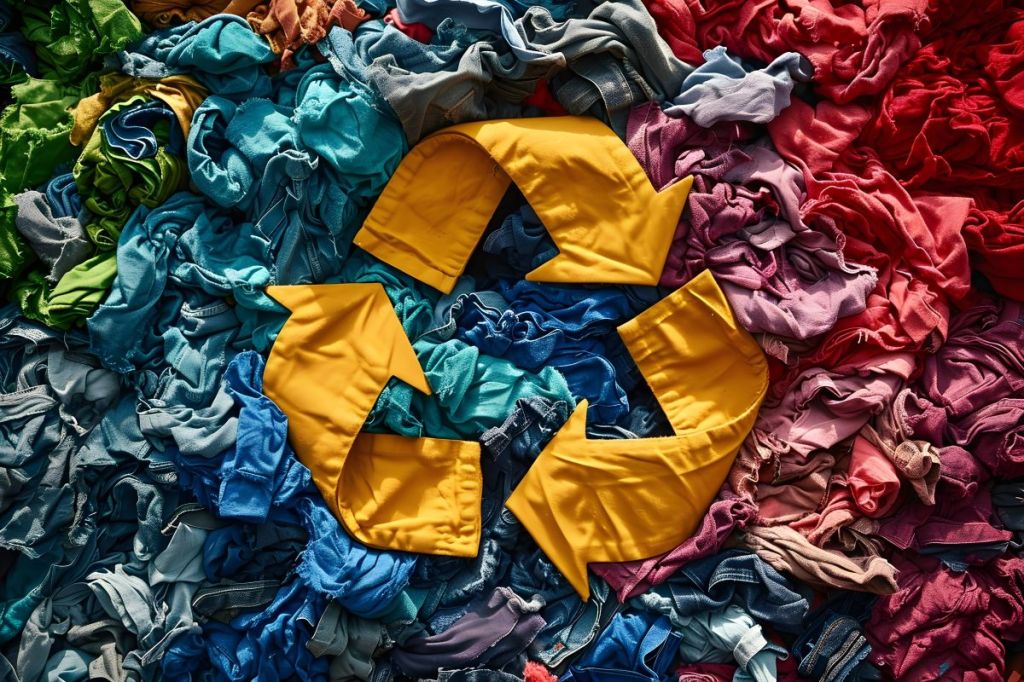
At its core, circular fashion is about keeping resources in use for as long as possible. The idea is to create a closed loop system; this means that products are designed, produced, and utilised in a way that minimises waste and maximises resource efficiency. This concept contrasts starkly with the traditional linear model where you design, make, use, and dispose, often leading to mountains of textile waste.
In a circular system, materials are reused, repaired, remade, and recycled. It’s like giving your clothes a second, and third life! This not only reduces waste but encourages a more thoughtful approach to production and consumption.
Design: The Starting Line of Circular Fashion
The journey of any garment begins at the design stage. This is where the seeds of sustainability are planted. Designers in the circular fashion business consider the entire lifecycle of a product from the get go. Here are some key principles that guide circular fashion design in the UK:
- Material Choice: Designers choose sustainable or recycled materials whenever possible. Organic cotton, Tencel, or recycled polyester are popular choices. The aim is to use materials that have a lower environmental impact.
- Modular Design: Think of designs that can be easily repaired or altered. This could mean interchangeable parts that allow for different styles without needing to buy a whole new garment.
- Timelessness: In a world of fast fashion obsessed with ever changing trends, there’s a push for timeless designs that don’t go out of style. Fashion pieces that are versatile often invite more frequent wear and less waste.
- Durability: Ensuring the garment is built to last plays a crucial role in circular design. After all, if something falls apart after a few wears, it’s destined for the rubbish pile and that’s not good!
- Ease of Recycling: Designers think ahead about how to make garments easier to disassemble and recycle at the end of their life, creating a seamless transition back to raw materials.
By emphasising thoughtful design, circular fashion aims to lay a robust foundation for sustainable practices.
Production: Rethinking the Process
Once those designs are finalised, it’s time to bring them to life, this is where production comes into play. In a circular model, production practices are re-evaluated to ensure they align with sustainability goals:
- Local Production: By producing locally, brands can significantly reduce their carbon footprint associated with transportation. Supporting local artisans and factories also helps keep the economy thriving while lowering emissions.
- Waste Minimisation: Smart production techniques, such as zero waste pattern cutting, can help brands utilise every last bit of fabric, reducing leftover scraps.
- Sustainable Practices: This could mean adopting energy efficient methods, sourcing water responsibly, and avoiding hazardous chemicals. Such practices resonate with a broader commitment to the environment.
- Transparency: Consumers are increasingly interested in knowing how and where their clothes are made. Brands that openly share their production processes can build trust and loyalty.
A sustainable production process lays the groundwork for the fabric that the fashion world will hopefully embrace.
Consumption: Shifting Mindsets
So, a garment is designed with the best intentions and responsibly produced. But how do we encourage consumers to adopt a circular mindset? Changing consumer behaviour is essential for the circular economy to flourish. Here’s how we can shift the narrative:
- Education: Raising awareness about the environmental impact of fast fashion is crucial. The more consumers understand about where their clothes come from and end up, the more mindful they will become.
- Second hand and Vintage: There’s a growing culture around thrift and vintage shopping in the UK. Emphasising the charm of pre-loved items can give clothes a renewed sense of value.
- Repair and Care: Encouraging people to repair rather than replace can greatly extend the life of garments. Workshops and online tutorials can inspire DIY fixes, helping consumers appreciate the time it takes to care for what they own.
- Rental Models: Renting clothes for special occasions or even for day to day outfits can drastically cut down on excessive consumption. It’s an appealing way to refresh your wardrobe without the commitment of ownership.
- Take back Schemes: Some brands are now offering take back schemes where customers can return used clothes for recycling or refurbishment. This creates a tangible way for consumers to contribute to sustainability.
Fostering a culture of responsible consumption is essential for driving the circular fashion movement forward.
Lifespan: How It All Ends
Every garment has a lifespan, and in circular fashion, the end of one life can be the beginning of another. It’s all about ensuring those items don’t end up buried in a landfill:
- Recycling Initiatives: Brands are encouraged to set up systems where they can recycle materials into new garments. This promotes a closed loop system that thrives on resource efficiency.
- Upcycling: This is the creative reimagining of old garments into new products. It could involve turning an old pair of jeans into a stylish bag. Upcycling not only prevents waste but showcases creativity.
- Composting: For natural fibres, composting may be a viable end of life option. This ensures that materials decompose and return to the earth rather than lingering in landfills.
By considering the entire lifecycle of a garment, circular fashion emphasises the importance of thinking ahead, even at the end of a product’s journey.
Challenges and Opportunities
While the concept of circular fashion is inspiring, it’s worth acknowledging that the path to widespread adoption isn’t without its hurdles. Some challenges faced include:
- Consumer Behaviour Change: Changing ingrained habits is easier said than done. Encouraging consumers to prioritise sustainability over convenience requires ongoing effort.
- Industry Resistance: Established brands rooted in traditional practices might be hesitant to shift their entire business model. It requires a willingness to innovate and adapt.
- Cost of Sustainability: Sustainable materials and ethical labour can often be more expensive, making it a challenge for some businesses to adopt circular practices without raising prices.
The Way Forward
While there are hurdles to overcome, the momentum behind circular fashion is undeniably building. Initiatives like the UK Government’s “Waste and Resources Strategy” lay a framework for progress in sustainability. Innovations in materials science, crafting updates for existing garments, and a cultural shift toward valuing durability can all contribute to an exciting future.
As consumers, we can actively support circular initiatives by making mindful choices, seeking out sustainable brands, and advocating for transparency and environmental responsibility in fashion.
Final Thoughts
Circular fashion isn’t a fad; it’s a movement striving to redefine how we interact with textiles and clothing. By weaving principles of sustainability into design, production, consumption, and end of life processes, we can foster a fashion ecosystem that prioritises the health of our planet. This model aims to promote a culture of care and responsibility that extends beyond mere fashion trends.
So, the next time you pull out your favourite garment, consider what it took to get it into your wardrobe and how you might play a part in extending its journey. Whether it’s through mindful purchasing, creative upcycling, or supporting circular brands, every little bit counts. The future of fashion can be brighter and more sustainable, if we’re willing to reimagine it together.
 The Blog
Leave a comment