Dear fashion lovers! Today, we’re going to look into a topic that’s becoming increasingly important in our world of fast paced style changes and mass consumption. We’re talking about the difference between ethical and sustainable fashion. You might have heard these terms tossed around in various discussions about what it means to be a responsible consumer, but do you really know what they mean? Stick around as we unravel this complex yet fascinating subject!
What is Ethical Fashion?
To kick things off, let’s talk about ethical fashion. At its core, ethical fashion is all about ensuring that clothing is produced in a way that respects both people and the planet. This means that from the moment the fibres are harvested to the time your new outfit arrives at your doorstep, every step of the process is designed to promote fairness, well being, and dignity.
Fair Wages and Working Conditions
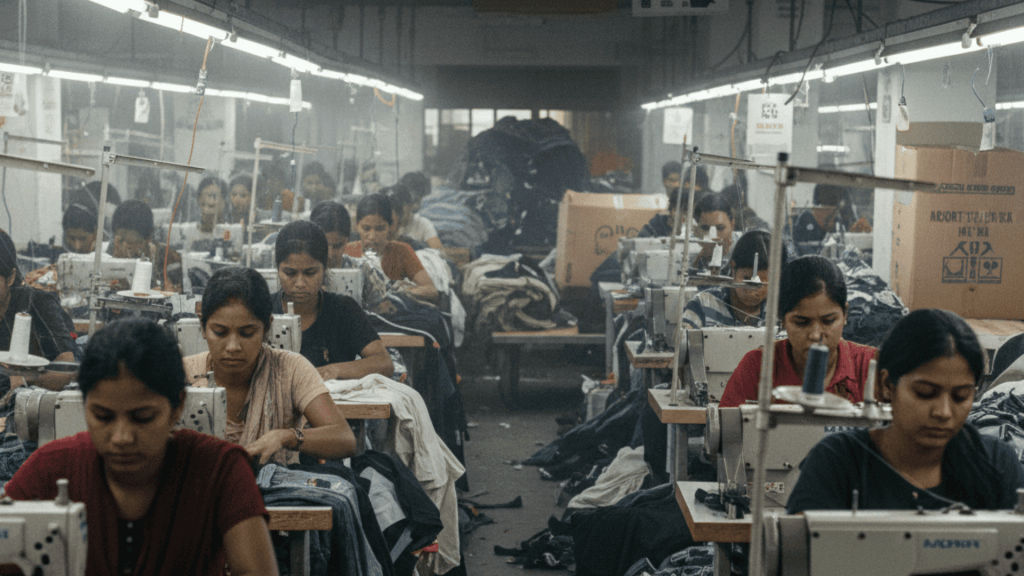
One of the primary focuses of ethical fashion is the treatment of workers throughout the supply chain. In many cases, fashion brands rely on factories in developing countries where workers are often paid a pittance for their labour. Ethical fashion champions brands that pay fair wages, provide safe working conditions, and avoid exploitative practices. In the UK, you might hear terms like “Living Wage” or charity initiatives aimed at improving workers’ rights popping up in conversations about ethical manufacturing.
Transparency
Another key aspect of ethical fashion is transparency. Ethical brands are open about where their materials come from, who makes them, and under what conditions. This transparency builds trust with consumers and allows us to make informed choices about our purchases. For example, Rolf Skeldon manufacture everything in small quantities in the UK.
Animal Rights
Ethical fashion also encompasses views on animal rights. This is paramount for brands that choose to avoid materials derived from animals, such as vegan leathers or fake fur. They argue that no creature should suffer for fashion, echoing a growing sentiment among ethical consumers.
What is Sustainable Fashion?
Now, let’s pivot to sustainable fashion. While ethical fashion focuses on the people behind the clothes, sustainable fashion is all about the environment and our global ecological footprint. This category emphasises the importance of creating garments that are eco-friendly and made with practices that protect our planet for future generations.
Eco-Friendly Materials
One of the hallmarks of sustainable fashion is the use of eco-friendly materials. This includes anything from organic cotton, which is grown without harmful pesticides, to recycled materials that give new life to old textile waste.
Closed Loop Systems
Sustainable fashion advocates for a closed loop system. This means designing clothing that can be recycled or composted at the end of its life cycle. Brands are increasingly focusing on how their products can minimise waste and reduce the consumption of resources. Initiatives like The Fashion Revolution encourage brands and consumers to think critically about the lifecycle of their garments.
Reduced Carbon Footprint
Another essential aspect of sustainable fashion is reducing the carbon footprint associated with textile production. Many sustainable brands aim to reduce greenhouse gas emissions through renewable energy sources or environmentally friendly manufacturing processes.
The Overlap: Where Ethical and Sustainable Fashion Meet
The two concepts are not mutually exclusive and often overlap in many ways.
Holistic Approach
Many brands are recognising that ethical and sustainable practices go hand in hand. They understand that treating workers well while also caring for the environment creates a more holistic approach to fashion.
Collective Responsibility
Both ethical and sustainable fashion advocate for collective responsibility. This means that not only should brands play their part, but as consumers, we should also be mindful of the choices we make. When we buy from ethical and sustainable brands, we vote with our wallets, pushing the fashion industry towards change.
The Challenges Ahead
As inspiring as all this sounds, it’s not all sunshine and rainbows in the world of ethical and sustainable fashion. There are significant challenges ahead.
Greenwashing
One of the most pressing issues is greenwashing. This refers to brands that falsely present themselves as environmentally friendly or ethical without truly committing to the principles. Consumers are becoming more savvy, but it’s still vital to do our homework before making purchases. Look for certifications, labels, and transparency in the supply chain.
Cost Considerations
Ethical and sustainable fashion often comes with a higher price tag compared to fast fashion alternatives. This can make it more challenging for consumers with lower incomes to participate in ethical consumption. However, brands are working to find ways to lower costs while still maintaining their ethical commitments.
Consumer Mindset
Change is hard, especially when we’re conditioned to shop fast and cheap. Educating ourselves and shifting our mindset around clothing consumption is a crucial challenge. The more we advocate for and support ethical and sustainable practices, the more we can shift the conversation and push for industry standards that reflect our values.
How Can We Support Ethical and Sustainable Fashion?
So, what can we do to support this movement towards ethical and sustainable fashion? Here are a few quick tips:
Educate Yourself
Start by doing your research. Read up on the brands you love and understand their practices. Are they truly ethical and sustainable? Understanding the impact of your choices is essential.
Choose Wisely
When shopping, choose brands that prioritise ethical and sustainable practices. In the UK, there are many great options, support local businesses and emerging designers committed to these values.
Buy Less, Choose Well
Instead of buying lots of cheap clothes, invest in fewer high quality, ethical pieces that will last. This not only benefits the environment but also encourages a more personal connection with your wardrobe.
Upcycle and Repair
Give your garments a longer lifespan by upcycling, repairing, or swapping clothes with friends. The more we hold onto what we already have, the less waste we create.
Advocate for Change
Support legislation and initiatives that promote worker rights and environmental protections in the fashion industry. Your voice matters, and consumers can push for better practices.
Conclusion
As we’ve explored the nuanced differences between ethical and sustainable fashion, it’s clear that both concepts play essential roles in shaping a more responsible fashion industry. Whether you’re an outfit junkie or simply someone looking to make mindful choices, understanding these principles can empower your shopping habits.
In the end, being a more responsible consumer means supporting brands that reflect your values and making choices that positively impact the world. The next time you’re out shopping or browsing online, remember that every purchase tells a story, let’s make sure it’s a good one!
So there you have it! A casual romp through the world of ethical vs. sustainable fashion. May your closets be stylish, ethical, and as sustainable as possible! Cheers to making a difference in the fashion world, one fabulous outfit at a time.
 The Blog
Leave a comment