Fashion sometimes seem like it’s all about new items, sharp silhouettes, and brand names that dictate trends. However, all that’s slowly starting to change, thanks in large part to a movement that’s gaining traction, visible mending. In an era when sustainability is not just a buzzword but a call to action, the idea of repairing clothing rather than throwing them away is shaping not just how we think about our wardrobes, but how we present ourselves. This blog post looks into the art of visible mending, exploring how this practice can become a statement of style, individuality, and sustainability.
Understanding Visible Mending
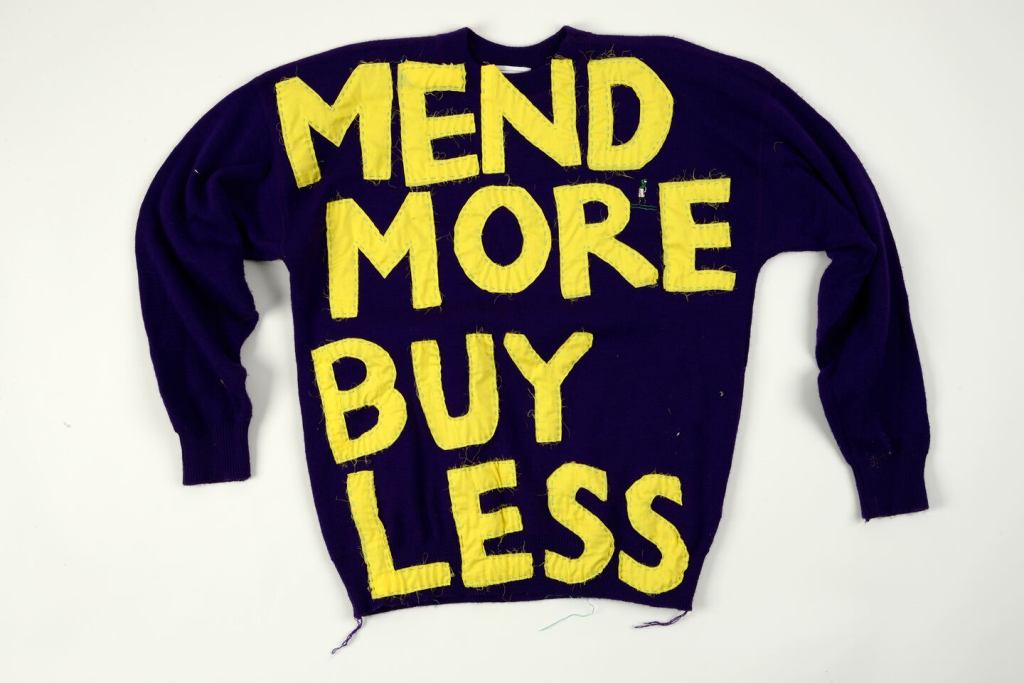
At its core, visible mending is a technique that celebrates the art of repair. Rather than hiding damages or imperfections, visible mending showcases them, transforming them into a distinctive part of the garment. Think about how a small rip in your favourite pair of jeans could be enhanced with colourful thread, creating a unique design that reflects your personality. This practice goes beyond just patching up a hole; it’s a form of creative expression.
While visible mending isn’t new, it has roots in traditional Japanese techniques like Sashiko, which involves decorative reinforcement stitching, it’s gaining a modern resurgence. Today, fashion enthusiasts are embracing it as a way to both honour the past and promote a sustainable future. With consumers becoming increasingly aware of the environmental impact of fast fashion, visible mending serves as an alternative to the throwaway culture that has dominated the fashion industry for far too long.
The Rise of Sustainability in Menswear
Sustainability is no longer a niche topic; it’s at the forefront of fashion discussions and increasingly affects consumer choices. As the fashion industry grapples with its impact on the environment, more brands are committing to sustainable practices. This includes everything from using organic materials to ensuring fair labour practices. Visible mending aligns perfectly with these ideals by extending the life cycle of clothing and reducing waste.
DIY Mending: Making It Personal
One of the best aspects of visible mending is its accessibility. You don’t have to be a professional sewist to get started; simple techniques are within reach for everyone. A few basic supplies, like colourful threads, patches, needles, and scissors, can help you breathe new life into your old favourites.
Start small. Your first project might be those jeans with the small rip you’ve been overlooking. Grab a needle and some thread that contrasts with your fabric, and stitch a playful design around the hole. Or if you’re feeling adventurous, find a patch from an old shirt or jacket that you love, and sew it onto your favorite piece. It’s a simple, effective way to inject some personality into your clothes.
To inspire your creativity, platforms like Instagram and Pinterest are overflowing with tutorials, ideas, and before and after transformations. Failures can be celebrated, the “imperfections” become a part of the story of the clothing, reflecting your journey.
Expressing Individuality Through Mending
In menswear, looking sharp often means adhering to certain standards: tailored fits, classic colours, and clean lines. However, visible mending flips the script on traditional aesthetics. It allows men to express individuality in a way that’s uniquely theirs. Instead of conforming to predefined notions of style, men can showcase their creativity and personality through their mended pieces.
Personally, I remember growing up in the 70’s when you only ever owned one pair of jeans, one pair of trainers, one jacket. Maybe also a winter coat and a pair of rubber flip flops for the summer! I always seemed to have a stack of t-shirts because they were handed down through the family but everything else was worn until you physically couldn’t. My jacket was covered in band patches, and I had to replace the broken zipper on my jeans with a bootlace! Back then jeans and trousers with a button fly were actually seen as old fashioned so replacing a button wasn’t an option.
In those days of old, shabby styling was never seen as a fashion statement, we repaired to make stuff last longer because no one could afford to replace so often. Maybe now we could consider subtly visible repairs as hinting at a backstory? An expression of individuality that deepens the connection we share with clothing. Each stitch, each patch, speaks volumes about who we are. Wouldn’t it be refreshing to think about fashion in a more personal, intimate way?
Visible Mending as a Trend
As visible mending evolves, it’s becoming an integral part of the fashion landscape. Fashion weeks across the globe have seen designers incorporate visible mending as part of their shows, sending models down the runway in garments that boldly display their repaired sections. Brands are beginning to embrace this trend, not just as an eco-conscious practice but as a fashionable choice.
Community and the Craft of Mending
Engaging in visible mending contributes to a sense of community as well. Numerous DIY groups, workshops, and online forums have sprung up around this topic. Joining a local mending circle can be a fantastic way to meet like minded individuals who value sustainability and craft, these small communities of passionate individuals share tips, materials, and stories about their mending experiences.
Moreover, community driven initiatives like The Repair Café are popping up worldwide, encouraging people to bring in their damaged items to be repaired together. Not only does this foster resource sharing, but it also let’s participants learn skills from each other, nurturing a culture of repair and creativity.
The Modern Man and His Mended Wardrobe
The modern man is evolving; he’s more conscious of his style and its impact on the world. Visible mending is not just a passing trend but a reflection of a mindset that prioritises sustainability and self expression. Men are starting to recognise that their clothing choices can articulate their values. Wearing mended clothing can say, “I care about the environment” better still, “I value craftsmanship.”
There’s a movement toward buying less but cherishing what we own, which aligns perfectly with the philosophy behind visible mending. It encourages men to invest in quality pieces and take pride in their garments, knowing that imperfections are part of their story rather than a blemish.
Celebrating the Beauty of Imperfection
One of the core philosophies of visible mending is the celebration of imperfection. In today’s fast paced world, where everything is polished to perfection, embracing flaws provides a breath of fresh air. Visible mending turns those flaws into features. Instead of striving for a flawless appearance, it embraces authenticity. There’s something powerful about wearing something that tells your story, warts and all.
This approach not only applies to clothing but spills over into life. Embracing imperfections can foster a healthier self image. So why not carry that logic into what we wear? Every repaired seam and every patch add character to clothing, making wearing garments a statement of self acceptance and a show of personality.
Conclusion: The Future of Fashion
As we look ahead, the significance of visible mending is set to impact not only how we dress but how we perceive clothing. Men are increasingly aware of the social and environmental ramifications of their choices. Visible mending is a perfect vehicle to drive home the idea that fashion can be sustainable and stylish all at once.
The shift may feel gradual, but it’s pivotal. As more men embrace this approach, we set a precedent for future generations, one that honours craftsmanship, encourages creativity, and respects our planet. So before throwing away those worn jeans or threadbare jacket, think twice. Is it time to give visible mending a chance? Your wardrobe, and our planet, just might thank you for it.
Incorporating visible mending into your skillset is more than a sartorial choice; it’s an opportunity to tell your story, to connect with others, and to contribute to a future that respects both personal style and the environment. Embrace the art of repair, wear your story, and let visible mending be your new style statement!
 The Blog
Leave a comment