In recent years, the fast fashion industry has faced increasing scrutiny as consumers become more aware of its environmental impacts and ethical implications. A recent TikTok video titled “THIS IS SHEIN – WITHOUT THE FILTERS” sparked widespread outrage, depicting a grim reality that many associate with the fashion giant Shein. However, the video presents a misleading narrative that has broader implications for the fast fashion discourse. It showcases workers sorting discarded clothing in Ghana’s Kantamanto Market, rather than footage from a Shein factory or warehouse. This blog post delves into the reality behind this scare mongering video and its reflection on the deeper issues tied to fast fashion and global consumer culture.
The TikTok Video: A Misleading Portrayal
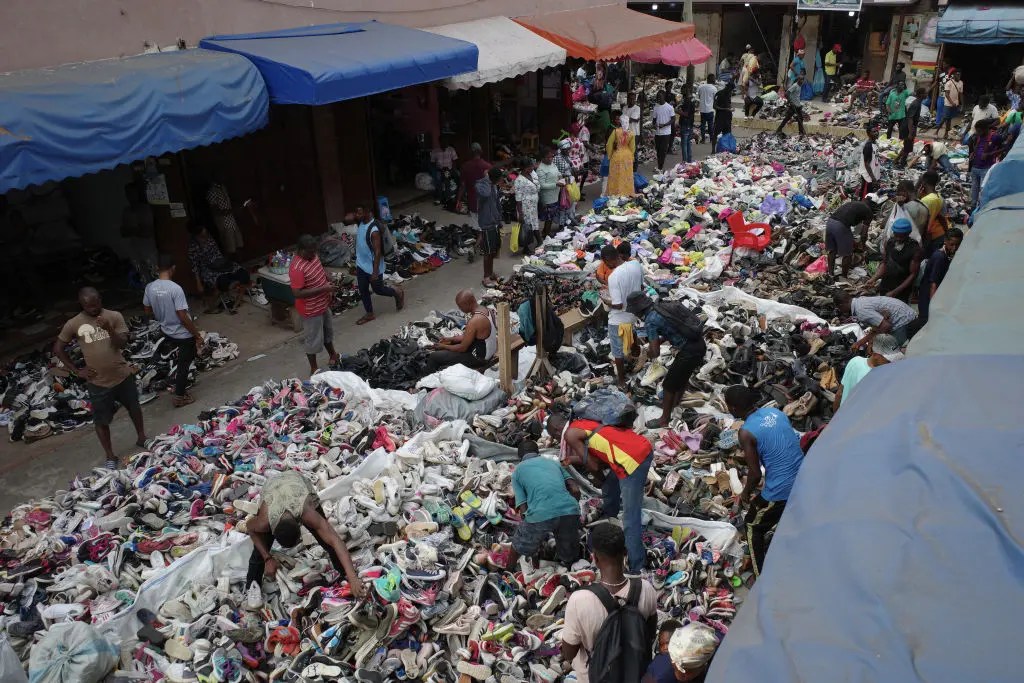
The TikTok video presents a bleak scene, mountains of plastic wrapped clothes piled like garbage, workers sorting through the chaos on concrete floors, devoid of the usual glamor associated with fashion promotions. A raw, unfiltered depiction certainly evokes emotional responses, yet this sensory experience obscures the larger complexity of the situation.
The footage portrays the Kantamanto Market, a notable hub in Ghana where second hand clothes, often discarded from Western countries, are sorted and resold. While it includes items from Shein among various other brands, the implication that this is representative of Shein’s production practices is fundamentally incorrect and misleading. The video’s title suggests a direct connection to Shein, but the reality is far more nuanced.
A Deeper Look at Fast Fashion
Fast Fashion: Definition and Implications
Fast fashion refers to the rapid turnaround of clothing designs from the runway to retail, enabling consumers to buy trendy styles at low costs. This business model thrives on high volume and low costs, leading to significant environmental consequences and labor issues.
- Environmental Impact: According to the Ellen MacArthur Foundation, the fashion industry is responsible for over 92 million tons of waste each year. The key drivers are overproduction, short product life cycles, and excessive consumerism. The TikTok video, although indicative of clothing waste, inaccurately places the blame solely on Shein without addressing the broader systemic issues within fast fashion.
- Labour Practices: Fast fashion often relies on cheap labour in developing countries. Workers in factories are subjected to poor working conditions, low wages, and long hours. While the TikTok video highlights the sorting of discarded clothing, it raises ethical questions about labour practices not just in Shein’s factories but within the entire fast fashion system.
Kantamanto Market: A Case Study
Kantamanto Market illustrates the plight of discarded textiles as a by product of overconsumption in the West. It serves as a significant destination for second hand clothing that has become all too common in many African nations. However, the market’s existence is not simply a consequence of fast fashion; it also represents a coping mechanism for many Ghanaian entrepreneurs who engage in thrift selling to make a living.
As international markets increasingly dump low quality clothing, the market itself becomes a dumping ground, creating a vicious cycle. While the sorting of these clothes is portrayed in the video as grim, for many locals, this is a source of income and resilience. The ethical conversation should not solely focus on Shein’s manufacturing but rather on the implications of Western consumer culture that fuels overproduction and waste.
The Bigger Problem: Fast Fashion’s Consequences
After exploring the reality of the TikTok video and Kantamanto Market, it becomes apparent that the issue transcends individual brands. Here are some vital topics to consider:
Amplifying the Issue: The Role of Social Media
Social media platforms are powerful tools in shaping public perception. The shareability of the TikTok video signifies more than just a singular event; it reflects a larger cultural shift toward acknowledging the consequences of fast fashion. However, sensationalist portrayals can lead to misunderstandings about the industry, potentially undermining true activism.
Environmental Degradation
The rise of fast fashion contributes to significant environmental issues. Clothing manufacturing consumes vast quantities of water and energy, and the use of toxic dyes and microplastics poses threats to ecosystems. The reality presented in the TikTok video is a symptom of these systemic failings, all stemming from a consumer culture that has yet to grapple with its part in the fast fashion equation.
Global Economic Dynamics
The explosion of fast fashion has created a complex web of global economic dynamics. While it has provided affordable clothing to consumers, it has also destabilised local markets in developing countries, where many artisans and traditional tailors struggle against the competitive pricing of fast fashion retailers. As donations and recycling initiatives are deployed improperly, the paradox continues as discarded fabric clogs markets meant for sustainable local craftsmanship.
The Urgency of Change
In light of the grim realities brought to light by the TikTok video, the urgency for change has never been more apparent. Here are several avenues through which that change can be pursued:
Advocating for Sustainable Fashion
The conversation around fast fashion must pivot toward sustainable alternatives. Encouraging the adoption of sustainable fashion practices could diminish the negative impacts popularly highlighted in sensationalist media.
Education and Awareness
Merely condemning fast fashion isn’t enough. There is a need for comprehensive educational campaigns regarding sustainable consumption habits. Collaborations between NGOs and educational institutions could reinforce messaging around understanding the life cycle of clothing, responsible shopping behaviors, and the impacts of textile waste.
Championing Ethical Consumerism
As consumers, we wield significant power. Opting for ethically produced clothing, supporting local artisans, and holding brands accountable for their practices can instigate substantial change. The viral nature of videos like the one discussed demonstrates the potential for advocacy; if harnessed correctly, social media can amplify messages that promote ethicality in fashion.
Inclusion of Local Perspectives
Highlighting the perspectives of individuals working in markets like Kantamanto is crucial. They should not merely be subjects in a sensational narrative but voices leading the dialogue on better trading practices, environmental sustainability, and consumer choices. Addressing fast fashion needs to include intersectional dialogues that reflect local realities and solutions.
Conclusion: Looking Beyond the Filters
The TikTok video “THIS IS SHEIN – WITHOUT THE FILTERS” serves as a poignant, albeit distorted, lens into the world of fast fashion waste and its repercussions. While it brings attention to significant problems, the narrative oversimplifies the complexities inherent in the relationship between consumer habits in the West and economic realities in Ghana.
Understanding the full scope of fast fashion’s fallout requires examining the global dynamics at play and pushing for systemic change rather than scapegoating individual brands. Moving forward, creating awareness, championing sustainable practices, and advocating for ethical consumerism are vital steps in addressing the haunting aftermath of fast fashion.
As we navigate this evolving landscape, let us remind ourselves that our choices carry weight, every purchase we make has the potential to either perpetuate the cycle of waste or lead us toward a more sustainable future. The transformation begins with recognising our consumption’s impacts and striving to make conscientious choices that benefit society and the environment alike. The fight against fast fashion may be formidable, but it is attainable when we come together to mobilise for responsible and ethical change.
 The Blog
Leave a comment