Let’s get real for a minute, no this isn’t another one of those stoic naval gazing posts where I sit back and philosophise about life. I’m here to talk about something a little more ground level (pun intended). I want to shout from the rooftops (or maybe the base camp of Everest?) it’s time to stop climbing mountains. Literally. Seriously, hear me out on this.
You might be wondering what on earth has brought about this mountain climbing moratorium. Well, let’s kick things off by exploring some findings in a recent BBC article that got my gears turning. You can check it out here, it paints quite the picture about our well meaning but perhaps misinformed expeditions to the top of the world.
The Case Against Climbing
Now, I understand the allure of the mountains. The breathtaking vistas, the thrill of reaching summits where few have ventured, and the whole ‘conquering nature’ mentality, probably feel incredibly empowering and properly awesome. But let’s pause a moment and put the tent toaster down. The fact is, we don’t really need to be scrambling up these mountains every other year. Mount Everest isn’t going anywhere anytime soon. In fact, it’s growing at a snail’s pace of about 2 to 4 millimeters (0.08 to 0.16 inches) each year. Yawn, right?
Technically, this growth is due to the ongoing collision of the Indian and Eurasian tectonic plates. Quick geology lesson: as these two plates continue to push into each other, they fold and uplift the crust, effectively pushing the Himalayas, and Everest upwards. With recent studies suggesting that river systems like the Arun River contribute to this growth too, you might say Everest is having a slow but steady glow up.
So, Why the Growth?
Let’s dive into the science a bit because, why not? It’s important to understand why Everest keeps inching upward while we plan our next trekking adventure.
1. Plate Tectonics: As I mentioned, the Indian Plate is like an uninvited guest at a party, continuously crashing into the Eurasian Plate. This action is the primary force behind the rise of the Himalayas. So, as long as these tectonic plates are flexing their muscles, Everest will keep growing, albeit at a rate you could almost set your watch to, a couple of millimeters a year.
2. Isostatic Rebound: There’s a newer theory out there that piques my interest, suggesting that as rivers carve away dirt and rock (like the Arun River creating a deep gorge), it lightens the load on the Earth’s crust. This lack of weight allows the crust beneath Everest to rebound, further pushing the mountain up. It’s like when you let go of a heavy backpack; your body feels lighter and can stand a little taller. Pretty cool, right?
How We Measure It
Science is amazing, and luckily, we’ve got high tech gadgets that help us track Everest’s subtle yet undeniable growth. Scientists use GPS instruments and satellite data to keep an eye on the mountain, monitoring its upward movements and confirming it’s still in the game of getting taller. If you’re a fan of space and tech, it’s pretty impressive how we’re using cutting edge technology to measure something as massive as Everest.
But all this climbing and conquering, what good does it do for the world around us?
The Real Cost of Expeditions
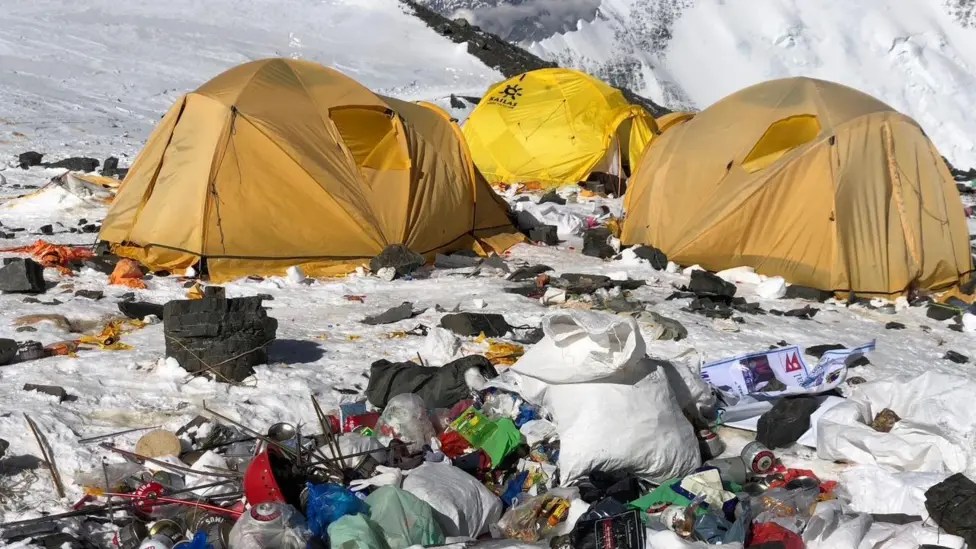
Every time a group of climbers sets off for Everest or any other mountain, there’s a significant environmental impact that often goes unnoticed. The increasing number of expeditions only adds to the trash problem on the mountain.
Mountains like Everest have become cluttered with rubbish left behind by climbers, oxygen tanks, food wrappers, and even human waste. Yes, you read that right. It’s a sad situation that proves these adventures come at a price, and it’s high time we invest in cleaning up the mess we’ve made rather than just funding more expeditions that further contribute to the problem.
Funding Clean Up Instead of Climbs
Here’s a thought. To those governments and organisations that are already pouring millions into mountain expeditions, how about redirecting some of that cash flow into cleaning up the rubbish? Imagine the difference we could make if all climbing expeditions were required to prioritise conservation and clean up efforts!
And moving forward, what if we only supported schemes that genuinely respect the environment? It’s about time that we hold expedition companies accountable for their waste, literally and metaphorically. It’s absurd to think we can keep climbing without considering the impact on the environment.
Change is Possible
The world can feel like it’s moving at breakneck speed, but that doesn’t mean we can’t slow down, especially when it comes to tackling the pressing issues facing our environment. You see, climbing mountains not only puts our ecosystem at risk but also reinforces the notion that ‘conquering nature’ needs to stop being a philosophy we uphold.
This isn’t about knocking climbers down a peg; it’s about encouraging responsible behaviors that align with sustainable practices. So how do we bridge the gap between adventure and environmental stewardship?
- Promote Eco-Friendly Expeditions: Future expeditions should come with a robust environmental plan. Trip organisers can implement strict “leave no trace” policies, ensuring that every climber carries their waste back down.
- Invest in Local Communities: How about funding projects that help local communities thrive without compromising the ecosystems surrounding the mountains? Investing in infrastructure, education, and clean up initiatives can create a ripple effect of positive change.
- Advocate for Regulation: Call on governments to establish regulations governing mountain climbing to curb negative impacts. A few rules and guidelines could make all the difference!
- Educate Climbers and Trekkers: Starting with basic education on environmental conservation can empower climbers to make a difference. The more climbers understand the implications of their actions, the more mindful they’ll be on their adventures.
The Community Effect
Could you imagine a community of climbers banding together, no longer viewing the mountains solely as opportunities for personal glory but as sacred spaces that deserve respect? This collective mindset would set an example for future generations, teaching them the importance of preservation and responsible engagement with nature.
Erasing the mentality that sees mountains as mere trophies to achieve our own personal zen may take time, but it starts with conversations just like this one. After all, it’s not about ruining the spirit of adventure; it’s about forging new paths that honour the Earth while still inspiring wonder and exploration.
Conclusion: Take a Sabbatical from Summits
At the end of the day, climbing is thrilling, and mountains are majestic, we have a prime example in our back yard Cadair Idris (meaning “Idris’s Chair”) is a famous, dramatic mountain in Southern Snowdonia, but it’s time to take a long, hard look at what it means to climb. It can no longer just be about reaching a peak or adding another notch to the belt. Now’s the time to pivot, to rethink that ethos. The world will keep turning long after we’ve stopped chasing heights.
So next time you feel the itch to scale a mountain, consider all the implications. Maybe, just maybe, it’s time to put down the climbing gear and take a step back to reflect on what these expeditions mean, for us, for nature, and for future generations. The mountains will still be there tomorrow, growing ever so slightly, and there’s plenty of good work to be done in the meantime. Let’s put our efforts into preserving and caring for these wonders, rather than simply trying to conquer them.
 The Blog
Leave a comment