Fashion is an integral part of our everyday lives. We express ourselves through our clothing, and the industry is constantly evolving to cater to ever changing styles and trends. However, as enticing as a bargain might be, the hidden costs of cheap fashion can be staggering. Let’s dive into the broader impacts of low cost clothing on the environment and society, and explore how we can rethink our purchasing habits for a more sustainable future.
The Allure of Cheap Fashion
Who doesn’t love a good deal? The rush of scoring a trendy outfit at a fraction of the cost is appealing for many. According to the British Fashion Council, the UK fashion industry is worth £32 billion, with a significant portion coming from fast fashion. It’s a booming sector, and many of us are getting swept up in the excitement of it all. But have you ever stopped to consider what you’re really paying for when you shop for cheap clothes?
Fast fashion brands make it possible to buy heaps of clothing for the same price as a single high quality piece. It’s marketing magic that keeps consumers returning, but there’s a catch. Cheap fashion often comes with hidden costs that could leave a lasting impact on our environment and society.
The Environmental Impact
Textile Waste
One of the most alarming aspects of cheap fashion is the staggering amount of textile waste it generates. According to WRAP (Waste and Resources Action Programme), around 300,000 tonnes of clothing are thrown away in the UK every year. To put this into perspective, a staggering 90% of discarded clothing could have been reused or recycled. Fast fashion promotes a throwaway culture, encouraging consumers to see clothing as disposable rather than long lasting.
Water Consumption
Let’s talk about water. The production of cheap clothing requires a shocking amount of water. The average cotton T-shirt can take around 2,700 litres of water to produce, which is enough for one person to drink for two and a half years! This water is often sourced from areas facing water shortages, exacerbating the crisis in regions that simply cannot afford it. In Bangladesh, for instance, the booming textile industry has contributed to severe water scarcity issues, affecting local communities.
Pollution and Chemicals
The fashion industry contributes more to climate change than international flights and maritime shipping combined. In the UK alone, clothing production is responsible for approximately 1.2 billion tonnes of greenhouse gas emissions annually. A substantial reason for this is the use of harmful chemicals in dyes and treatment processes. The waterways in countries where cheap fashion is produced are often contaminated, affecting local wildlife and ecosystems.
Created Landscape of Landfills
Let’s also consider the land. Fast fashion brands often outsource production to countries with lenient environmental regulations. As a result, the landscapes of nations like Bangladesh and Vietnam are forever altered, with toxic waste from factories polluting the soil and waterways. Landfills are overflowing with clothes that are not biodegradable, leading to further environmental degradation.
The Social Impact
Exploitation of Workers
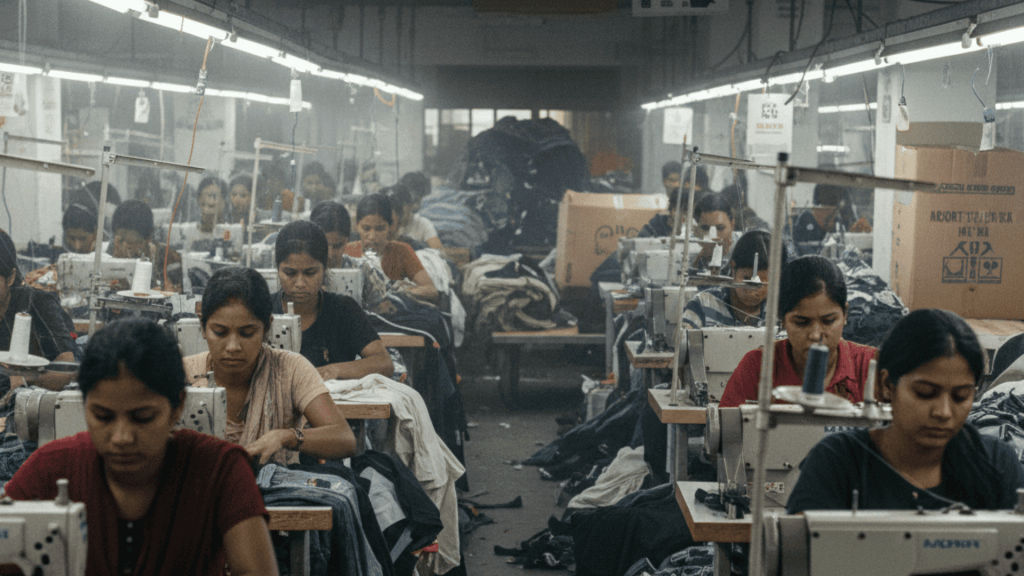
While we may be enjoying the perks of cheap fashion, someone else is usually paying the price. Behind those low prices are often exploited workers, primarily in developing countries. A report by the Ethical Trading Initiative highlighted that most garment factory workers earn less than the minimum wage, working long hours in unsafe conditions. In 2013, the Rana Plaza disaster in Bangladesh tragically illustrated the consequences of these exploitative practices when over 1,100 workers lost their lives due to unsafe factory conditions.
Poor Working Conditions
Many garment workers face dire working conditions, from lack of appropriate safety equipment to insufficient breaks. Sweatshops are still prevalent, and the drive for faster production often leads to shortcuts being taken in terms of safety. Workers endure long hours, often without overtime pay, just to meet the demands of fast fashion brands. This creates a cycle of poverty that keeps them trapped with little hope for a better future.
Loss of Craftsmanship and Local Economies
The rise of cheap fashion also threatens local artisans and small businesses. Traditional techniques passed down through generations are being overshadowed by mass production. The push for cheaper clothing has led to a decline in the appreciation of craftsman made garments. Local textile industries struggle to compete with the low prices of fast fashion, resulting in job losses and a reduction in cultural heritage.
Encouraging Sustainable Purchases
So how can we change our approach? First, it’s essential to empower ourselves as conscious consumers.
Research Brands
Start by researching the brands you purchase from. Are they transparent about their supply chains? Do they prioritise sustainable practices? Rolf Skeldon, for instance, aims to provide long lasting, timeless menswear making sure that everything we do is plastic free. Supporting brands that invest in ethical production can contribute to creating a positive impact on the fashion industry.
Buy Less, Choose Wisely
Instead of buying multiple cheap items, consider investing in a few high quality pieces that will last. Quality over quantity is key, and these pieces will ultimately save you money in the long run. The average consumer in the UK now buys around 60 items of clothing per year. By cutting back and making intentional purchases, we can reduce waste and lessen our overall impact on the environment.
Second Hand Shopping
Don’t underestimate the power of thrift! Second hand shopping is not only eco friendly but also a fun way to find unique pieces that tell a story. The UK is home to a thriving thrift and vintage market. Plus, buying second hand prevents clothing from ending up in landfills.
Clothing Swaps
Organising or participating in clothing swaps with friends or local communities is another great way to refresh your wardrobe without the cost or environmental impact of new purchases. It encourages community and sustainability while giving your wardrobe a fresh take.
Education and Awareness
Finally, educate yourself and those around you about the impacts of the fashion industry. Share information with friends or start conversations about sustainable fashion. The more we discuss and address these issues, the more likely we are to inspire change.
Conclusion
The hidden costs of cheap fashion are far reaching and require us to rethink our purchasing habits. As conscious consumers, we have the power to shift the industry by making informed choices, supporting ethical brands like Rolf Skeldon, and prioritising sustainability in our everyday lives. The next time you’re tempted by a bargain deal, take a moment to reflect on the real price, for the planet and for those who make our clothes. Together, we can pave the way for a more ethical and sustainable fashion future!
 The Blog
Leave a comment