Dear fashion aficionados! Today, we’re diving into a topic that’s both timely and crucial: the lifecycle of fast fashion compared to that of sustainable clothing. You’re probably wondering why we should care about these lifecycles. Well, let’s explore not just the impact of our fashion choices on our wardrobes, but also their footprint on our planet.
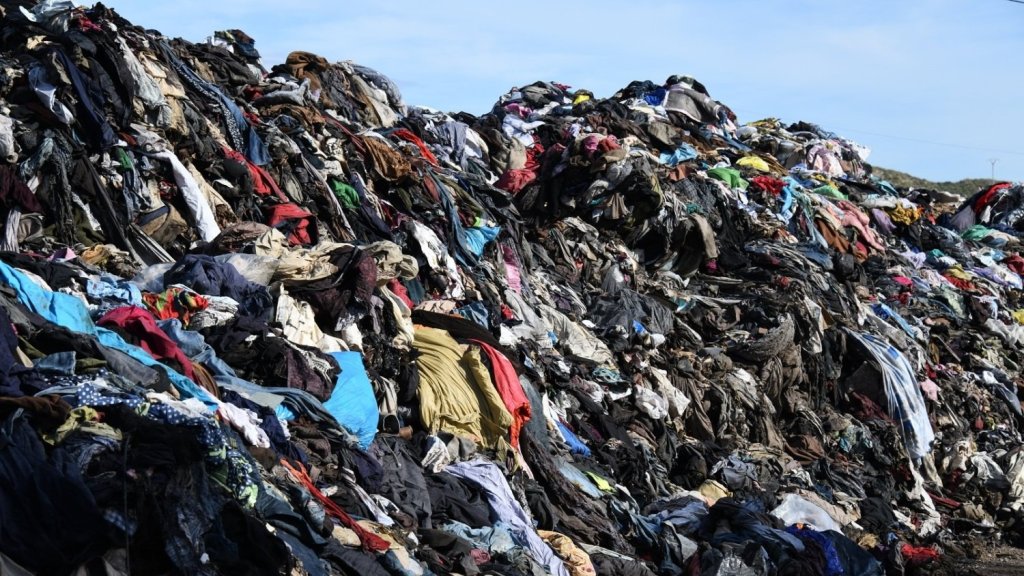
Fast Fashion: The Lifecycle Breakdown
Let’s kick things off with fast fashion. This term has been buzzing around for a long time now, but what does it actually mean? At its core, fast fashion refers to the rapid production of high volumes of clothing, designed to mirror the latest catwalk styles. The lifecycle of fast fashion can be broken down into several stages:
- Design and Production
Fast fashion brands thrive on their ability to churn out new collections at an alarming rate. Designers sketch a piece, and within weeks, it’s in stores. The production happens largely overseas, where labour costs are lower, and regulations are more lenient. This often leads to poorer quality materials being used and an overall lack of durability in the clothing produced. - Distribution
Once the clothes are produced, they’re quickly shipped to retailers, often transported through multiple countries. This distribution process contributes significantly to carbon emissions, as planes and ships move clothing across the globe. The idea is to keep the stock fresh and constantly evolving, creating a sense of urgency among consumers to buy now before it’s gone! - Consumption
Fast fashion encourages a “buy now, wear once” mentality. Customers are drawn to affordable prices and the latest trends, often purchasing more than they need. The low prices are tempting, and with constant advertising on social media, it’s hard to resist that flashy new outfit. - Care and Use
Let’s face it: fast fashion garments aren’t built to last. Many items are made from synthetic materials that fray, fade, or lose shape after only a few washes. People wash these garments frequently, leading to microplastic pollution which makes its way into our oceans. - Disposal
What happens when we’re done with our fast fashion finds? Most people just throw them into the rubbish, contributing to the staggering amounts of textile waste in landfills. According to WRAP (Waste and Resources Action Programme), the average UK household throws away around 8kg of clothing every year. That’s like throwing away a whole sacks of potatoes, except these potatoes could’ve been worn again!
Sustainable Clothing: A Breath of Fresh Air
Now, let’s switch gears and look at sustainable clothing. While fast fashion is like that fleeting crush, intense but ultimately superficial, sustainable fashion is more like true love; it’s thoughtful, intentional, and built to last. The lifecycle of sustainable clothing differs tremendously from fast fashion:
- Design and Production
Sustainable fashion starts with conscious design decisions. This means considering materials that are not only eco-friendly but also ethical. Fabrics might include organic cotton, recycled polyester, or even innovative materials like Tencel. Brands focus on reduced waste by adopting practices such as zero waste design and taking advantage of local production to minimise transportation costs and emissions. - Distribution
Distribution channels for sustainable clothing are often more localised. Brands might prioritise smaller, regional suppliers, thus reducing the carbon footprint of transportation. The emphasis here is on transparency; sustainable brands often share their sourcing strategies with consumers, allowing us to feel confident in our choices. - Consumption
When it comes to shopping sustainably, the approach is entirely different. The mantra here is more about quality than quantity: consumers are encouraged to purchase only what they truly love and will wear often. The sustainable fashion movement emphasises timeless style over fleeting trends, advocating for a curated wardrobe that reflects individual identity. - Care and Use
Sustainable clothing is typically made with durability in mind. With better quality materials, sustainable garments often withstand the test of time, with proper care extending their lifespan significantly. This means washing them less frequently, using eco-friendly detergents, and air drying to preserve quality. - Disposal
Rather than ending up in landfills, sustainable clothing encourages circularity. This might mean donating to charities, participating in clothing swaps, or recycling old garments. Innovative brands even embrace take back schemes, allowing consumers to return used clothing for recycling or repurposing. It’s all about giving clothes a new life rather than throwing them away after a few wears.
The Ripple Effect: Community and Environment
Fast fashion and sustainable clothing don’t just impact the individual; they create ripples that affect our communities and environment at large. The rapid production of fast fashion comes at a heavy social cost. Cheap labour in developing countries often means exploitation, unsafe working conditions, and environmental degradation. The negative implications reach the very fabric of our society.
On the flip side, sustainable clothing fosters community. Many sustainable brands are founded on ethical principles, often supporting local artisans or sourcing fair trade materials. By choosing to support sustainable fashion, consumers participate in a movement that values ethical labour practices, a healthier planet, and quality craftsmanship.
Making the Shift: How Can We Contribute?
So, what can we do as conscientious consumers to make a difference in the fast fashion world? Here are some practical steps:
- Educate Yourself and Others
Knowledge is power! The more you understand the impact of fast fashion, the better equipped you are to make informed choices. Share what you’ve learned with friends and family, changing the conversation about fashion can make a significant difference. - Shop Mindfully
Curate your wardrobe by investing in quality pieces that align with your values. Treat clothing as an investment, not a disposable item. Consider visiting second hand shops or local sustainable brands for unique finds that contribute to a more mindful cycle of consumption. - Repair and Upcycle
Instead of throwing away damaged clothes, explore the world of repairs. Learn simple sewing skills, or pay for alterations instead of simply letting things go. Upcycling also involves creatively repurposing items into something new and beautiful. - Participate in Clothing Swaps
These events are the perfect way to refresh your wardrobe without purchasing new items. Gather friends or join local communities in swapping clothes you no longer wear. It’s a fun way to breathe new life into your closet while ensuring others can enjoy those items too! - Advocate for Change
Use your voice! Engage in conversations about fashion responsibility and support policies aimed at improving the garment industry. Encourage brands to adopt sustainable practices by demanding transparency and ethical production methods.
The Future of Fashion: A Harmonious Blend?
As we look to the horizon of the fashion landscape, the interplay between fast fashion and sustainable clothing seems to set the stage for an exciting transformation. While fast fashion will likely continue to hold a significant place in the industry, growing awareness and demand for sustainable options will drive change. As consumers, we have the power to shape the future of fashion into one that balances style with sustainability.
Imagine a world where trends aren’t synonymous with waste, where consumers shop from a place of conscious choice, and where clothing isn’t just an expression of style but also a statement of ethics. It’s an ideal worth striving for, and every small step we take counts in creating that reality.
So, next time you find yourself in the shops or scrolling through your online feeds, take a moment to consider the lifecycle of your choices. Reflect on the impact you want your fashion decisions to have, not only on your wardrobe but on the world at large. Let’s all work toward a future where fashion is about more than just looking great; it’s about feeling great about our choices too. Happy sustainable shopping, everyone!
 The Blog
Leave a comment