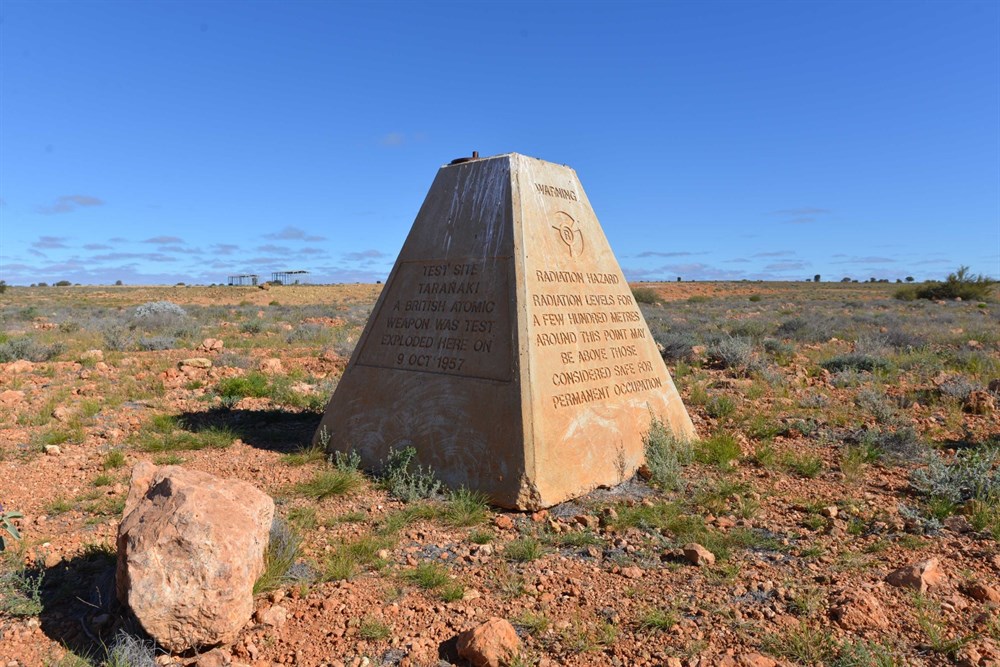
In recent years, documentaries and films have resurfaced critical conversations about the consequences of historical decisions that have shaped our world. Among these, the documentary on Britain’s postwar atomic weapons programme stands out, revealing the harrowing legacy of nuclear testing conducted by the British government during the 1950s and 1960s. It explores the profound effects this programme had not only on the servicemen who participated in the tests but also on the indigenous populations of Australia and the South Pacific, the descendants of these veterans, and our environment as a whole.
At the heart of this story is a recognition of the staggering reality that 39,000 British and Commonwealth servicemen witnessed the detonation of 45 atomic and hydrogen bombs in an era marked by a reckless pursuit of military supremacy. The consequences of these tests were profound, and the documentary paints a stark picture of the debilitating health conditions that many veterans faced, conditions that often extended beyond the individuals who served directly in the tests, affecting their families and local communities for generations.
BBC iPlayer Britain’s Nuclear Bomb Scandal: Our Story
The emotional weight of the documentary is carried through the voices of veterans who convincingly articulate the toll that these tests have taken on their bodies and spirits. One veteran’s poignant reference to Carl Sagan encapsulates a universal plea for humanity: “Life is precious; mankind should come together and cherish the Earth that he lives on.” This message resonates deeply, serving as a chilling reminder of the fragility of both human life and our planet. The sense of urgency to protect our shared environment feels as pertinent today as it did then, as we reckon with the environmental degradation stemming from human actions globally.
The film’s exploration of the British government’s role in these nuclear tests reveals a disturbing pattern of deception and neglect. It highlights how the military and governmental bodies have historically obscured the real impacts of their actions, a trend that continues to this day. Despite decades passing since the tests, many veterans still struggle to gain recognition and compensation for their suffering, while governments often dismiss or downplay the extensive health ramifications endured by those involved. This ongoing scandal raises critical questions about accountability, respect for human life, and our responsibilities toward those whose lives have been irrevocably altered by such historical injustices.
Moreover, the environmental consequences of these nuclear tests cannot be understated. The tests have left indelible marks on the ecosystems of the regions affected, disrupting local flora and fauna and displacing communities. Indigenous populations, who often had no say in these matters, have borne a heavy burden. Their ancestral lands have been transformed into sites of radioactive waste, leading to long term health issues and environmental degradation that continues to unfold. The fragility of these ecosystems underscores the interconnectedness of human actions and the health of our planet, a relationship that must be cherished and protected.
As I reflect on this documentary, I am compelled to draw parallels between the past and our present day environmental challenges. While the experiences of the brave veterans cannot be directly compared to the acts of fly tipping or other local environmental violations, the underlying message we glean from Carl Sagan’s sentiment remains relevant: we must cherish our Earth. The actions taken by those who disregard the environment, whether through nuclear testing or more mundane acts of pollution, reflect a broader failure to recognise our shared responsibility towards the planet.
Today, the Earth is seen as a “fragile oasis,” a unique haven in the vast universe that supports life as we know it. The challenges we face, climate change, habitat destruction, pollution, demand a collective response grounded in a deep understanding of our interconnectedness. Unity must replace division and destruction; collaboration across borders and communities is essential. The lessons from our past should galvanise us to work together to protect the environment, ensuring that we act as stewards rather than destroyers of our natural world.
In light of the documentary’s revelations, it is crucial for us to engage with the history of nuclear testing and its consequences. Acknowledging these past wrongs is a step towards healing, not just for those affected by the tests but for our collective humanity. We must learn from the mistakes of previous generations to foster a future that prioritises environmental integrity and human rights over militarisation and disregard.
The narrative surrounding Britain’s nuclear programme is more than an historical account; it is a call to action. It urges us to consider how we treat our environment today, to recognise the voices of those who have suffered, and to commit to a shared ethos of care, respect, and protection of our world. The time for action is now, as our planet’s future hangs in the balance and the lessons of our past echo loudly in the present.
In this pursuit, we must amplify the voices that challenge the status quo, fostering dialogue that addresses the legacy of nuclear tests and their ongoing repercussions. We must support policies that prioritise environmental health, advocate for the rights of affected communities, and hold accountable those who continue to exploit the Earth’s resources without regard for the consequences.
As we move forward, let us not forget the harsh realities faced by veterans and their communities. Their bravery in the face of adversity should be honored, but it is equally important that we act in ways that prevent such injustices from recurring. We owe it to ourselves and to future generations to create a world where the fragility of our planet is recognised and cherished, a world where unity triumphs over division.
Ultimately, the documentary serves as both a reminder and a call to arms. The legacy of Britain’s atomic weapons programme is a testament to the need for accountability, environmental stewardship, and the importance of cherishing the life that our planet sustains. As we engage with the lessons of the past, we must strive toward a future where humanity comes together to protect our fragile oasis, ensuring that life continues to thrive on Earth for generations to come.
As we reflect, let’s carry forward the wisdom of Carl Sagan: life is indeed precious, and it is our collective responsibility to care for the Earth that is our only home. The echoes of the past guide us on this path, urging us to embrace unity and harmony with the natural world, a worthy pursuit, steeped in hope and potential for a brighter tomorrow.
 The Blog
Leave a comment