In recent years, the conversation around sustainable fashion has gained significant traction, moving from the fringes to the mainstream fashion narrative. The awareness of ecological and social issues associated with clothing production is growing, especially among consumers who are increasingly conscious of their purchasing decisions. If you’re a male consumer in the UK, understanding the nuances of sustainable fashion can help you make informed choices that support environmental sustainability and ethical practices. Here are 15 vital sustainable fashion facts that you need to know:
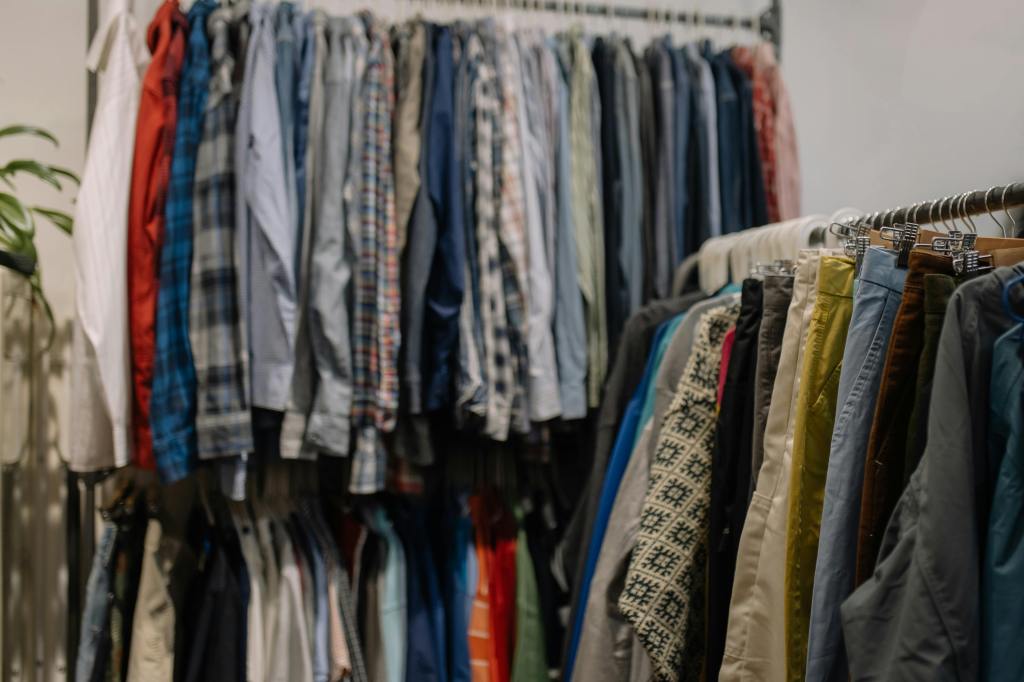
1. The Fashion Industry is One of the Most Polluting Industries
The fashion industry is notoriously known for its harsh impact on the environment. Reports suggest that it is responsible for approximately 10% of global carbon emissions, more than international flights and maritime shipping combined. In the UK, this is becoming a pressing issue as more individuals become aware of their own carbon footprints. Men’s fashion brands are now facing pressure to implement sustainable practices, thus fueling a shift towards eco-friendly menswear options.
2. Fast Fashion: A Major Contributor to Waste
Fast fashion encourages rapid production of cheap garments, leading to an overload of textile waste. In the UK alone, around 300,000 tonnes of clothing are sent to landfills every year. Males are often drawn to fast fashion trends, but becoming aware of this waste can inspire more responsible choices. Opting for quality over quantity not only reduces waste but supports brands that prioritise sustainable methods.
3. Slow Fashion is Gaining Traction
In contrast to fast fashion, slow fashion promotes the idea of investing in fewer, high quality items that last longer. This movement encourages consumers to appreciate the craftsmanship behind clothing rather than chasing fleeting trends. Embracing slow fashion can mean selecting timeless pieces that elevate your wardrobe while also reducing environmental impact.
4. The Rise of Eco-Friendly Fabrics
More brands are using eco-friendly materials made from recycled or organic sources, fabrics like organic cotton, Tencel, and recycled polyester are being adopted into menswear collections. By choosing clothing made from these materials, UK consumers can make a substantial difference. They not only reduce water usage and carbon emissions but also reduce the environmental footprint associated with conventional fabric production.
5. Water Usage in Fashion is Astounding
The fashion industry is known for its excessive water usage. It takes around 2,700 litres of water to produce one cotton shirt, enough for one person to drink for two and a half years. Being mindful of this fact prompts consumers to seek brands that implement water efficient practices, such as closed loop systems or using alternative materials that require less water to produce.
6. Ethical Labour Practices are Essential
Sustainable fashion isn’t just about the environment; it encompasses social responsibility as well. Many garments are produced in countries with inadequate labour laws, leading to exploitation. Awareness of this issue prompts consumers to choose brands that prioritise ethical labour practices, ensuring fair wages and safe working conditions. This can instill a sense of confidence that your purchasing power supports not just the planet, but also the people behind the garments.
7. The Impact of Dyes and Chemicals
The dyeing process in garment production is one of the major contributors to water pollution. Conventional processes often involve toxic chemicals that can damage local ecosystems. Sustainable brands that prioritise natural dyes or closed loop systems can mitigate these effects. Consumers seek out such products to play their part in protecting water bodies and local environments.
8. The Concept of Circular Fashion
Circular fashion promotes the lifecycle of clothing from design to disposal. It revolves around the idea of minimising waste through recycling, upcycling, and reusing garments. Exploring brands that embrace circularity means choosing items that can either be returned to the retailer for recycling or buying second hand items that have already lived a past life.
9. The Importance of Certifications
When navigating the world of sustainable fashion, understanding product certifications can be valuable. Look for labels that define ethical practices, such as GOTS (Global Organic Textile Standard) for organic fabrics or Fair Trade for ethical labour practices. Knowledge of these certifications helps consumers make educated purchases, ensuring that they are buying truly sustainable menswear.
10. The Power of Second Hand Shopping
Second hand shopping not only provides unique pieces but also significantly reduces environmental impact. The UK thrift market is thriving, with many men discovering the joy of shopping pre-loved items. By opting for vintage clothing, you can avoid contributing to fast fashion while finding high quality garments at a fraction of the price.
11. Rental Services Are on the Rise
Clothing rental subscriptions are becoming increasingly popular, offering men access to a revolving wardrobe without the commitment of ownership. These services often focus on high quality, sustainable pieces, allowing consumers to enjoy fashion while reducing the overall demand for new clothing. By participating in rental services, you can experience different styles while lowering your environmental footprints, such as carbon emissions.
12. The Role of Consumer Education
Consumer education plays a critical role in the sustainable fashion movement. Understanding the impact of your purchases can inspire a more mindful approach to fashion. More resources and campaigns aimed at educating consumers about the implications of their choices are emerging in the UK, paving the way for a more informed public that prioritises sustainability.
13. Eco-Friendly Packaging Matters
Sustainable fashion isn’t just confined to clothing; it encompasses the entire purchasing experience, including packaging. Many brands are adopting eco-friendly packaging solutions to reduce waste. From using recycled materials to biodegradable options, being mindful of both product and packaging can significantly impact the environment.
14. The Significance of Local Production
Support for local producers can reduce the carbon footprint associated with transportation and often comes with the benefit of supporting local economies. Consumers in the UK can engage with brands that prioritise local manufacturing, reducing the impact associated with long supply chains while also contributing to the economy.
15. Sustainable Fashion is Accessible
As the ethos of sustainability continues to permeate the fashion industry, sustainable menswear is becoming increasingly accessible. Affordable and eco-friendly options are no longer confined to niche markets, bringing sustainable choices within reach of the average UK consumer. This accessibility means that you can embrace sustainable fashion without breaking the bank.
Conclusion
Understanding these sustainable fashion facts can empower male consumers in the UK to make informed choices that align with their values. By embracing practices such as slow fashion, responsible consumption, and supporting ethical brands, you contribute to a movement that champions environmental preservation and social equity. As the narrative around sustainable fashion evolves, being an informed consumer not only enhances your wardrobe but also plays a part in reshaping the future of fashion. Making choices that advocate for sustainable practices ultimately leads to a more ethical, conscious, and stylish world.
 The Blog
Leave a comment