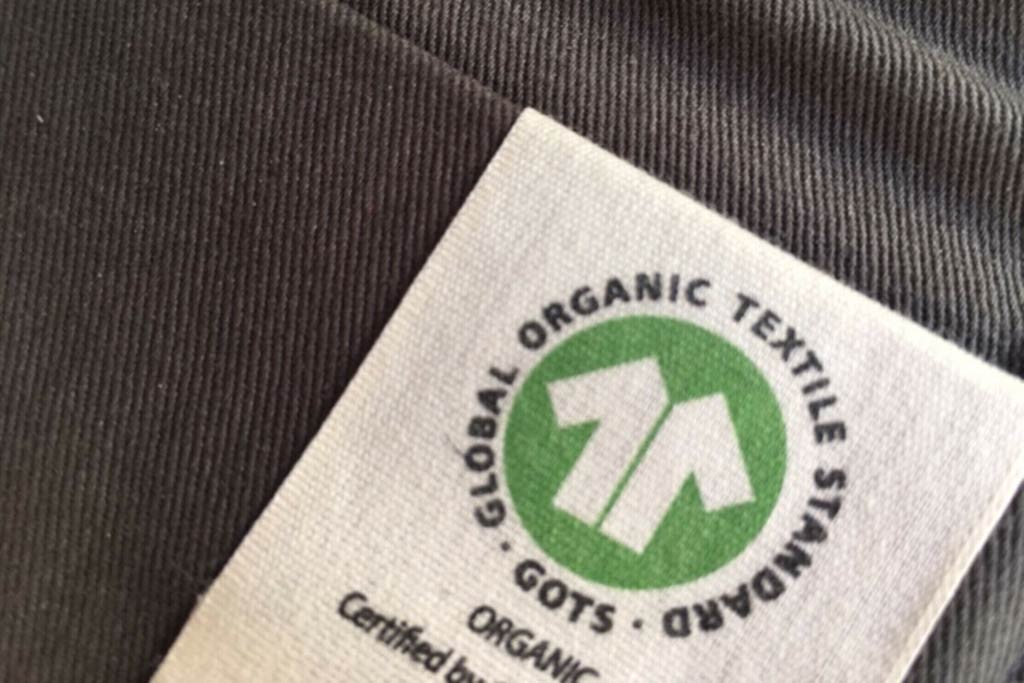
Sustainable fashion is a big conversation these days, and for good reason. As a society, we’re becoming more aware of the impacts that fashion has on the environment and the people involved in making our clothes. Global Organic Textile Standard (GOTS), is a certification that’s often talked about in sustainable fashion. But what does GOTS actually mean? And does it guarantee that what you’re buying is genuinely sustainable?
What Exactly is GOTS?
First things first, let’s break down what GOTS stands for: the Global Organic Textile Standard. It’s a leading textile processing standard for organic fibres, ensuring that the final product is not only made from organic materials but also produced in a way that’s kind to the environment and fair to workers. The certification covers the entire supply chain, from the field where cotton is grown, through the production process, to the final product.
GOTS is recognised worldwide and has strict criteria that must be met for a product to be labeled as GOTS certified. Notably, products must contain at least 70% organic fibers to qualify for the GOTS label. Plus, it doesn’t just look at the fibrous material; it evaluates the chemical inputs (like dyes and finishes), social criteria, and environmental performance.
The Two Levels of GOTS Certification
GOTS has two main levels of certification:
- GOTS Organic: This label is for products made with at least 95% organic fibres. If you see this label, you can rest assured that the vast majority of the fibres are organic.
- GOTS Made with Organic: This label is for products made with at least 70% organic fibres. So, it’s still a step towards sustainability, but not quite as green as the full organic label.
What Makes GOTS Stand Out?
There are plenty of eco-certifications out there, but what gives GOTS its cred? Well, first of all, it’s a comprehensive standard, covering the whole supply chain. This is not just about the materials but also about how those materials are turned into the clothes we buy. GOTS includes:
- Environmentally Friendly Production: The standard has strict guidelines for the manufacturing process, ensuring that harmful chemicals are avoided. This means no toxic dyes or finishes that can harm workers and ecosystems.
- Social Criteria: This is about treating workers right. GOTS ensures fair labour practices, fair wages, decent working conditions, no child labour. After all, fashion should be about more than just desirable clothes; it should also be ethical.
- Transparency: GOTS certified brands must be transparent about their supply chains, allowing consumers to learn where and how their clothes were made.
Does GOTS Guarantee Sustainable Fashion?
Now, here’s the million dollar question, does GOTS guarantee sustainable fashion? The short answer is, it comes pretty close. However, “sustainable” is a broad term, and GOTS is just part of the puzzle.
- High Standards: GOTS has high standards, which contribute significantly to sustainability. It focuses on organic materials and eco-friendly processes.
- It’s not the be all and end all though, while GOTS certification is excellent, it’s essential to look at the bigger picture. Sustainable fashion isn’t just about the materials but also involves factors like consumption practices, the true cost of the garment, and how long you keep it in your wardrobe.
- The Brand Matters: The brand behind the GOTS certified clothing also plays a crucial role. Some brands may market themselves as sustainable while still contributing to fast fashion, meaning they produce clothes quickly and at low costs. So, even if a piece is GOTS-certified, it doesn’t mean the brand operates sustainably as a whole.
What Does it Mean for You as a Consumer?
If you’re reading this, you probably care about where your clothing comes from and how it affects the world around you. Choosing GOTS certified clothing is a significant step toward making more conscious fashion choices. Look for the GOTS label when shopping, especially for basics like organic cotton t-shirts, bed linens, and baby clothes.
However, don’t stop with just the label! Here are some tips to ensure you’re making truly sustainable fashion choices:
- Research the Brand: Before purchasing, investigate the brand’s ethics, values, and overall business practices. Social media and reviews can offer insights.
- Think Quality Over Quantity: Instead of buying several cheap items, invest in a few high quality pieces that will last longer. This can lead to a more sustainable wardrobe in the long run.
- Care for Your Clothes: Proper care can extend the life of your garments. Be mindful of washing temperatures, avoid unnecessary drying, and try to repair rather than replace.
- Buy Secondhand When Possible: Thrifting and secondhand shopping can minimise your fashion footprint. Not only is it often cheaper, but it gives pre-loved items a new chance at life.
The Evolution of GOTS
Since its establishment in 2006, GOTS has evolved to keep pace with the growing demand for sustainable textiles. Interestingly enough, these developments have also led to increased scrutiny. As the demand for organic cotton and sustainable practices grows, so does the challenge to ensure that standards remain stringent and enforced.
GOTS is continuously updating its criteria to adapt to new scientific research and technologies. This is vital as sustainability in fashion is not a one size fits all solution; it requires constant evolution and improvement.
Future of GOTS and Ethical Fashion
So, where is GOTS headed? As awareness surrounding fashion’s environmental impact increases, it’s expected that certifications like GOTS will become more widely recognised and even more crucial in the fight against fast fashion.
Brands are increasingly pressed to adhere to sustainability standards, and consumers are demanding more transparency in the production process. GOTS will likely continue to lead the way in defining what it means to be sustainable in the textile industry while helping consumers navigate this often murky territory.
Wrapping It Up
In conclusion, GOTS is a significant player in the world of sustainable fashion, offering a credible certification that covers not only organic materials but also ethical standards in production. While GOTS can help guide your purchases toward more sustainable choices, it’s essential to approach fashion holistically, recognising that sustainability encompasses a broader picture. By prioritising quality, ethical practices, and awareness, you can cultivate a wardrobe that aligns with your values.
So, the next time you’re shopping, keep GOTS in mind! It’s a step in the right direction, and with every conscious choice, you’re part of the solution in transforming the fashion industry into a more sustainable space. Happy shopping, and may your fashion choices reflect the wonderful, ethical world we’re all striving to create!
 The Blog
Leave a comment