Introduction
In 2015, France made a groundbreaking move in the fight against food waste by enacting a law that mandated supermarkets to donate unsold food. This was not just a reaction to the growing crisis of food waste; it was part of an integrated effort to change the way people think about food consumption, preservation, and waste. The legislative measures were rooted in a comprehensive approach that included the removal of best before dates on fresh foods and the introduction of educational programs about food waste in schools and businesses. Fast forward to 2026, and one important question arises: It’s been over ten years why does the UK not have similar regulations?
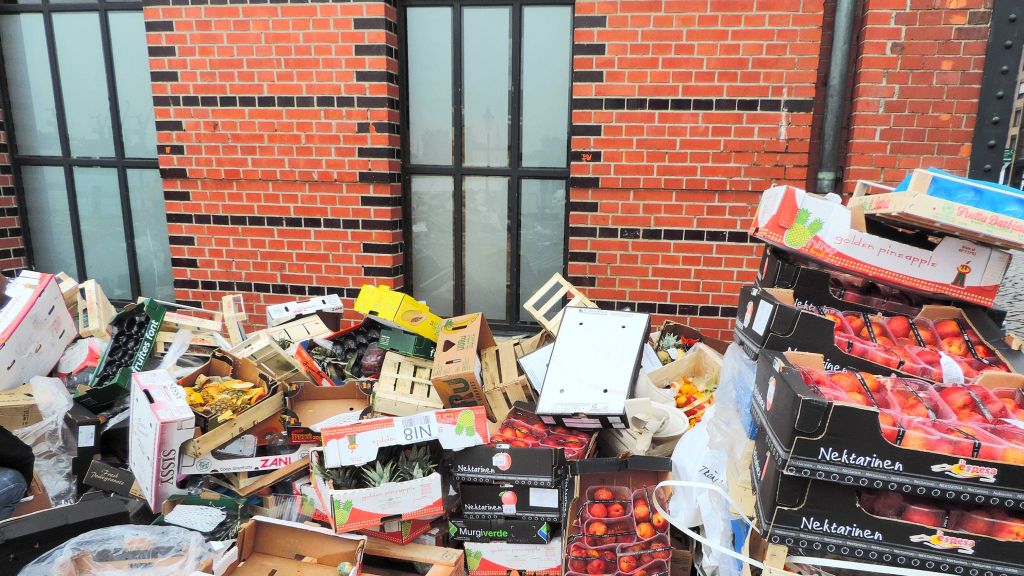
The French Law: A Closer Examination
The French law, which took effect in February 2015, was groundbreaking for several reasons. One key provision required supermarkets with a surface area greater than 400 square meters to donate unsold food products to charities. This law was designed to combat food waste, which was a significant issue in France, where an estimated 10 million tons of food were wasted annually.
An essential supplement to this legislative effort was the decision to remove best before dates on many fresh products. As many consumers are unclear about the difference between “best before” and “use by” dates, this move aimed to shift perceptions and reduce the amount of still edible food being discarded.
Moreover, the law sought to educate citizens, especially the younger generation, about food waste through educational programs across schools and businesses. By fostering a culture of awareness and respect towards food, lawmakers hoped to change societal attitudes around consumption and waste.
The UK’s Approach: What’s the Hold-Up?
As affirmed in the preceding sections, the legal framework in France aggressively approaches food waste reduction. In contrast, the UK has taken a different route. While the government has made various strides in sustainability and food waste reduction, it has not implemented legislation comparable to that of France.
One reason for this could be the UK’s reliance on voluntary measures rather than obligatory laws. Programs such as WRAP (Waste and Resources Action Programme) have been introduced to encourage businesses to become more responsible for their food waste. WRAP advocates for food waste reduction through various campaigns and initiatives, urging supermarkets, restaurants, and consumers to be mindful of their food consumption habits.
Moreover, UK regulations have led to the removal of best before dates on fresh fruits and vegetables. Major retailers, including Asda, Tesco, and Morrisons, are taking steps to encourage consumers to trust their own judgment regarding the quality of produce rather than rely solely on printed dates. This mirrors the shift seen in France but lacks the legislative force seen in French law, which strictly mandates donations from larger supermarkets.
Initiatives to Combat Food Waste in the UK
Despite the absence of a directly comparable law, there are initiatives in the UK aimed at reducing food waste. Supermarkets have engaged in various partnerships with charities to repurpose unsold food. Organisations like FareShare and The Trussell Trust work alongside retailers to distribute unsold items to those who are vulnerable or in need.
FareShare, a prominent food charity in the UK, operates by collecting surplus food from businesses and redistributing it to a network of charities. They emphasise the significance of rescuing surplus food from going straight to landfills, helping to foster community goodwill while simultaneously addressing food poverty.
Another intriguing initiative is the collaboration between retailers and tech platforms. Apps like “Too Good To Go” allow consumers to purchase “surprise bags” of unsold food from local shops and restaurants at discounted rates. These platforms have gained significant traction in the UK, highlighting a social awareness surrounding food waste and encouraging consumers to be part of the solution.
The Education Gap
While the UK has made strides in addressing food waste through initiatives and partnerships, educational programs similar to those introduced in France are still lacking. Awareness campaigns have been implemented sporadically, but there is a need for a more cohesive approach to educate people about food waste, proper food storage techniques, and the distinction between types of food dates.
Schools play a pivotal role in shaping attitudes toward sustainability. By incorporating food waste education into the curriculum, students will learn the importance of reducing waste from a young age, promoting responsible consumption as a lifelong habit. Such programs could foster a grassroots movement pushing for more systemic changes within the broader food industry.
A Comparative Analysis: France and the UK
An analysis of French and UK regulations reveals critical differences. France faced mounting pressure to address food waste within a broader European context, and its government responded with legislation targeting supermarkets directly. The UK’s approach, however, emphasises voluntary action and partnership with the private sector.
While this offers flexibility and adaptability, it may lack the urgency and enforceability of legislative measures. Furthermore, the lack of a universal standard can create inequities among smaller businesses that may not have the resources or knowledge to implement food waste reduction strategies on their own.
The Road Ahead
It remains crucial to reassess food waste policies. Legislative measures could provide a structural change leading to more significant reductions in food waste, similar to what was accomplished in France. Additionally, there is an opportunity for collaboration between government, businesses, and non-profits to enhance education and awareness campaigns about food waste for more substantial social impact.
Consumer behaviour also plays a pivotal role. By shifting perceptions around expiration dates and embracing sustainable habits, individuals can become integral to the fight against food waste.
Conclusion
The story of food waste legislation in France is a compelling narrative of change and social responsibility that highlights the potential impact of legal mandates on consumer behaviour and corporate responsibility. While the UK has made noteworthy strides in combating food waste, it is evident that a more cohesive and regulated approach is needed to address the underlying issues effectively.
Over the next few years, the UK has the opportunity to learn from the French model while adapting initiatives to fit its unique cultural context. Only then can the drive toward reducing food waste become a truly national effort, fostering a sustainable and equitable food system for all.
 The Blog
Leave a comment