As the buzz around sustainability grows louder, many brands are eager to hop on the eco-friendly bandwagon. But sometimes all is not as it seems. If you’re a UK menswear buyer looking to make responsible choices without falling for empty claims, understanding greenwashing is essential. In this post, we’ll dive into ten red flags that can help you spot dubious environmental claims made by fashion brands.
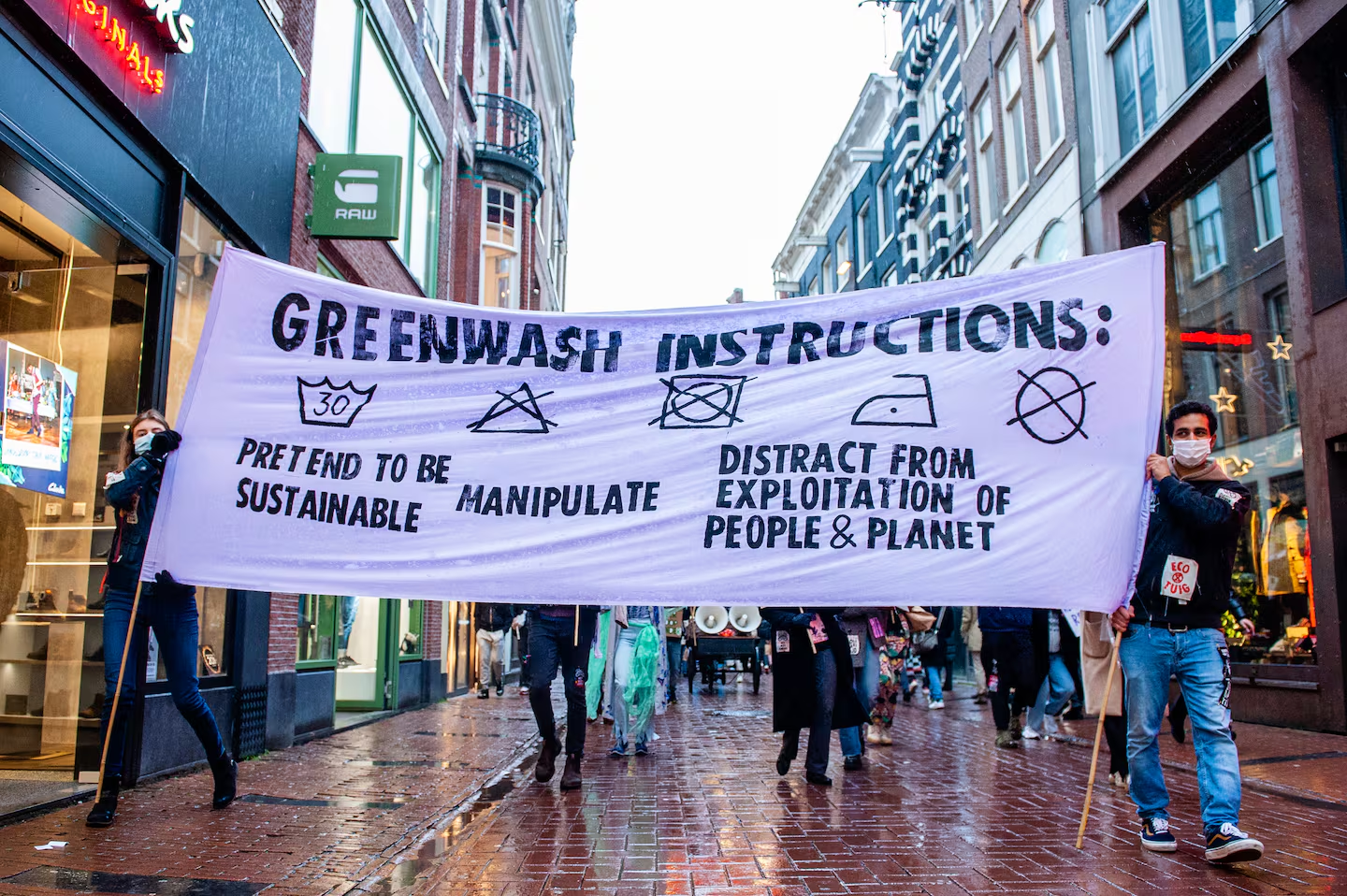
What is Greenwashing?
Before we jump into the red flags, let’s quickly cover what greenwashing actually means. It’s a marketing tactic where brands exaggerate or falsify their environmentally friendly efforts to attract consumers. Think of it as the “all talk, no action” approach to sustainability. The reality is, many brands want you to think they’re making a difference when they might just be faking it. So, how can you tell the difference? Let’s find out.
1. Vague Language
One of the first red flags is the use of vague language. If a brand’s marketing materials are full of buzzwords like “eco-friendly,” “green,” or “natural” without any clear explanation, take a step back. These words can mean almost anything or nothing at all. For example, a garment labeled as “eco-friendly” could still contain harmful materials or be produced in harmful conditions.
Watch for specifics! Brands should provide concrete details about what makes their products sustainable, such as the materials used, the processes involved in production, and certifications from reputable organisations. If you can’t find this information, consider that a warning sign.
2. Lack of Transparency
Transparency is a big deal in the world of sustainable fashion. If a brand is not open about its supply chain, production methods, or sourcing materials, it’s a major red flag. Genuine brands will often provide comprehensive information on their websites and in marketing materials about how and where their clothes are made.
So, before you pull out your wallet, do a little sleuthing. Look for signs of ethical production and sourcing practices. If the brand is mum on these topics, you’ve got to ask yourself why.
3. Certification Confusion
Certifications can help clarify a brand’s environmental claims. However, be cautious! Not all certifications are created equal. Some might be overly lenient or not recognised by credible organisations. If a brand is flaunting a certification that sounds a bit sketchy or unfamiliar, it’s worth digging deeper.
Look for respected certifications like GOTS (Global Organic Textile Standard) or Fair Trade. If the brand can’t justify its claims with verifiable certifications, it’s time to reconsider your options.
4. Single Use Claims
Another red flag is brands that make a big fuss over a single sustainable product or initiative while ignoring broader issues in their supply chain. For example, if a brand launches one eco-friendly t-shirt but continues to mass produce fast fashion items, it can be a sign that they’re engaging in greenwashing.
Real sustainability is about holistic practices across the entire brand. If they’re not addressing their overall impact but rather choosing to spotlight one specific item, be skeptical. It’s all about consistency!
5. The “Eco” Comeback
The term “eco” gets thrown around a lot these days. A piece of clothing could be labeled as “eco-conscious” or “eco-friendly,” but it’s essential to look beyond the label. Sometimes it’s just a clever marketing strategy designed to attract environmentally conscious consumers without offering any real evidence.
When you see those “eco” labels, ask yourself: what exactly makes this product eco-friendly? If you can’t find the answer, keep your distance.
6. Green Imagery
Have you noticed how many brands use green colours, nature imagery, and earthy tones in their marketing? This is a tactical move known as “green imagery.” It’s intended to evoke feelings of sustainability and connection to nature.
Just because a brand uses these tactics doesn’t mean they are genuinely investing in sustainable practices. Pay attention to what they’re actually doing behind the scenes instead of being swayed by aesthetics.
7. Misleading Comparisons
Some brands tend to compare themselves to their less eco-friendly competitors to sound more sustainable. When they boast about being “better” or “less harmful,” it might be an attempt to distract from their considerable environmental impact.
Always evaluate the claims on their own merit. Compare not only within the same category but against the highest standards of sustainability. If they’re only claiming to be better than the worst without striving for actual progress, it’s a warning sign.
8. Disregard for Overproduction
Fast fashion thrives on overproduction, which has devastating effects on the environment. Brands that sell lower quality items designed to be worn only a few times can’t genuinely claim to be sustainable.
If you notice a brand continuously churning out large quantities of cheap clothing, disregard any claims of sustainability. Real sustainable fashion focuses on quality over quantity, and brands should promote responsible consumption now more than ever.
9. Lack of Engagement in Community or Global Issues
Look at a brand’s involvement in social and environmental issues. Are they taking steps to engage with communities impacted by their business practices or advocating for larger policy changes? If they’re silent or uninvolved, it could suggest a lack of genuine commitment to sustainability.
Sustainable brands increasingly participate in dialogues about climate change, fair labour, and human rights. If a brand isn’t joining the conversation, it’s likely they’re not doing much to drive positive change.
10. The “New” Sustainability Rhetoric
Finally, beware of brands that suddenly proclaim their new commitment to sustainability. If this shift appears out of the blue, ask yourself what prompted the change. Was there a scandal? A significant market trend? Genuine sustainability takes time and effort, and a sudden pivot can be a sign of greenwashing.
Look for brands that have long standing commitment and actions rather than just loud announcements. A genuine commitment will be part of their DNA, not just a response to consumer demand.
Conclusion: Stay Informed and Trust Your Instincts
While the world of sustainable fashion can be overwhelming, staying informed is your most effective tool against greenwashing. Remember the 10 red flags we’ve discussed, and always trust your instincts.
Sustainability is about more than just the label on a garment; it’s about evaluating the entire brand’s commitment to eco-friendly practices. Next time you’re shopping keep these points in mind. Your wallet will appreciate it, and so will the planet. Let’s make mindful choices and support brands that genuinely care!
 The Blog
Leave a comment