When it comes to refining your wardrobe, the conversation around cost and longevity becomes increasingly relevant. As UK menswear customers, we often find ourselves driven by the allure of discounted fast fashion. However, let’s pause for a moment to think about what truly drives value in menswear: the cost-per-wear. In this extended discussion, we’ll explore how opting for quality investments can lead to better wardrobe choices, saving you money in the long term while ensuring you look your best.
Understanding Cost-per-Wear
So, what exactly is this “cost-per-wear” concept? Simply put, it’s a way to evaluate the value of clothing based on how often you’ll actually wear it. Instead of focusing solely on the initial price tag, the idea is to consider how many times you can reasonably wear a garment before it wears out. It’s pretty straightforward: If you buy a £20 shirt that you wear once a year for five years, its cost-per-wear is £4. However, if you invest in a £120 shirt that you wear once a week for three years, you’re looking at a cost-per-wear of only £0.76, a significant saving over time.
In the UK, where the weather can be unpredictable, choosing versatile and durable pieces makes even more sense. Investing in clothing that you can wear across different occasions, from the office to a night out, maximises the cost-per-wear, ensuring you not only look great but also that your investment pays off.
The Financial Benefits of Quality
Let’s break down the financial aspect of this further. The initial cost of a garment might make you gasp, but let’s consider the long term effects. Quality clothing can last significantly longer than cheaper alternatives. A sturdy pair of trousers from a reputable brand can easily last several years if cared for properly, while a cheaper pair will most likely succumb to wear and tear after just a handful of washes.
A survey conducted by the Fashion Retail Academy in the UK found that over 50% of consumers were dissatisfied with the longevity of cheaper clothing. This kind of dissatisfaction often leads to purchasing decisions that are not only more costly in the long run but also contribute to a culture of waste.
Building a Timeless Wardrobe
Let’s talk basics, what are the essential pieces every man should have in his wardrobe that will help to lower the cost-per-wear ratio? Here’s where quality over quantity becomes particularly essential.
1. A Great Pair of Jeans
Invest in a pair of high quality denim jeans. Look for options from brands like Levi’s or Nudie Jeans, which are not only made to last but also become more comfortable with age. The beauty of good denim is that it can be dressed up with a blazer or dressed down with a T-shirt, making it an incredibly versatile piece.
2. Classic White Shirt
A classic cotton white shirt is an absolute must. Brands like Thomas Pink or Charles Tyrwhitt produce high quality shirts that can withstand many washes while maintaining their form. A timeless piece that transitions well from work to social gatherings will ensure you get your money’s worth.
3. Tailored Blazer
A tailored blazer is another investment piece that can elevate any outfit. While the initial cost may be higher, blazers from brands like Hugo Boss or Paul Smith can be worn on numerous occasions, business meetings, weddings, or casual outings, meaning they’ll earn their keep in no time.
4. Leather Shoes
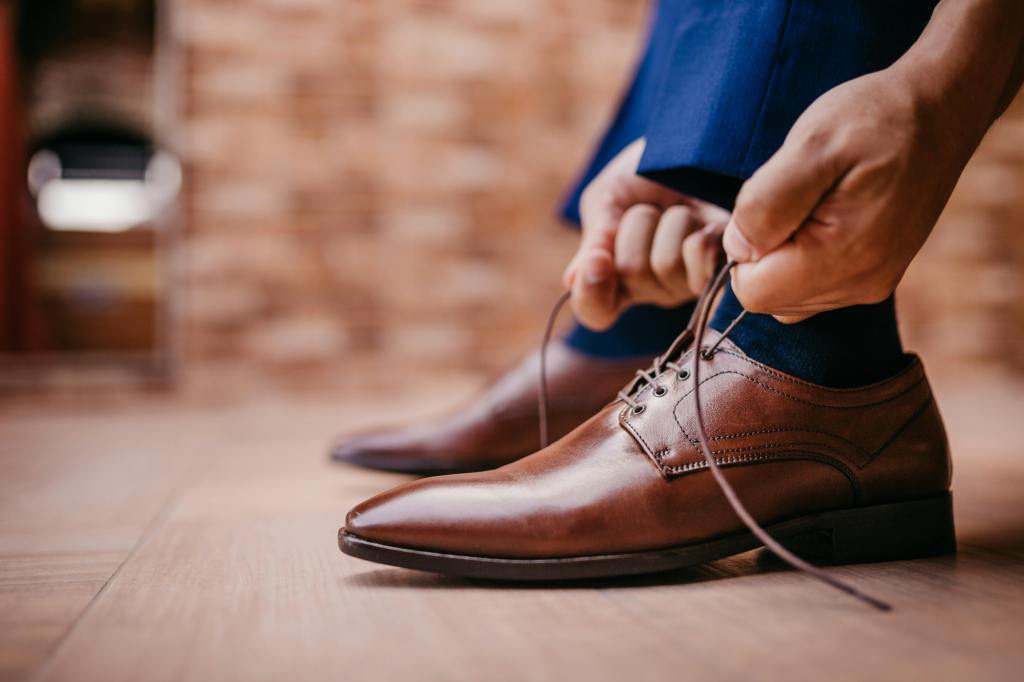
Quality leather shoes from brands such as Loake or Grenson can be punctuated with the phrase “buy cheap, buy twice.” Though they come with a steeper price tag initially, their durability means you won’t be breaking the bank every six months to replace them.
5. Outerwear
A good quality coat is essential given the UK’s, let’s say, ‘moody’ weather. Investing in a classic trench or a wool overcoat from brands like Burberry can save you the hassle and expense of frequently purchasing inferior outerwear.
6. Accessories That Last
There’s also a world of accessories that might seem small but make a significant impact on style longevity, such as scarves and ties. Choose high quality materials like wool or silk that will maintain their look and feel over time, contributing to a polished appearance.
The Environmental Impact
The cost-per-wear philosophy also extends to the environmental impact of fashion. The UK is among the biggest consumers of clothing per capita in Europe, and fast fashion is wreaking havoc on our planet. By shifting focus to quality clothing that lasts, consumers can significantly reduce textile waste. A study by the Ellen MacArthur Foundation found that if we continue down this path, the fashion industry could be responsible for 25% of the world’s carbon emissions by 2030.
Opting for investment pieces enhances sustainability. It means fewer clothes end up in landfills, and you play a part in reducing the environmental impact of the fashion industry. You can even look for brands that prioritise ethical production practices, which almost always result in higher quality goods.
The Psychological Benefits of Quality Clothing
Shifting your focus from fast fashion to investment pieces also has psychological benefits. There’s a unique sense of satisfaction that comes with wearing well made clothing. The fit, the fabric, the overall aesthetic; it creates a confidence that’s hard to achieve in poorly made clothes.
Constructing a wardrobe based on quality over quantity leads to stronger personal style and presents an image of someone who values craftsmanship and longevity. When you wear clothing that reflects care and thought in its creation, like a cashmere knit or an artisan shoe, it shows.
Embracing Mindful Shopping Habits
To fully appreciate the cost-per-wear benefit, it’s crucial to adopt mindful shopping habits. Take a moment before purchasing to consider the following:
- Do I really need this item? Avoid impulse buys. A desired item might not be necessary, and resisting the urge can save you money.
- Is this a versatile piece? Can it be mixed and matched with other items in your wardrobe? Look for items that have multiple purposes to maximise their wear.
- What is the quality of this garment? Check the materials and craftsmanship. Well constructed pieces will ensure longevity.
- Can I see myself wearing this frequently? Consider how many occasions you can wear it before determining its worth.
By being mindful in your shopping, not only will you enhance your wardrobe, but you’ll also likely become a more satisfied consumer, knowing that each piece has been thoughtfully considered.
Final Thoughts
As UK menswear customers, we have the power to redefine our approach to clothing by embracing the concept of cost-per-wear. Investing in quality pieces that offer versatility and longevity not only elevates our style but also provides financial and environmental benefits. Making informed choices means that we can look sharp without falling into the traps of fast fashion or regrettable buys.
In the end, clothing should be about more than just short lived trends, it should tell a story, reflect who we are, and ultimately, stand the test of time. So, the next time you’re tempted by a bargain, ask yourself: “How many times will I wear this?” Investing in clothing for its longevity rather than just its initial price will benefit not only your wardrobe but your wallet, and the planet, too.
 The Blog
Leave a comment