Today we’re exploring the world of sustainable fashion, a topic that’s becoming increasingly relevant in our society. Not only does fashion serve as a means of personal expression, but it also has a significant impact on our planet. So, let’s break down 20 sustainable fashion facts that might just change the way you think about your wardrobe.
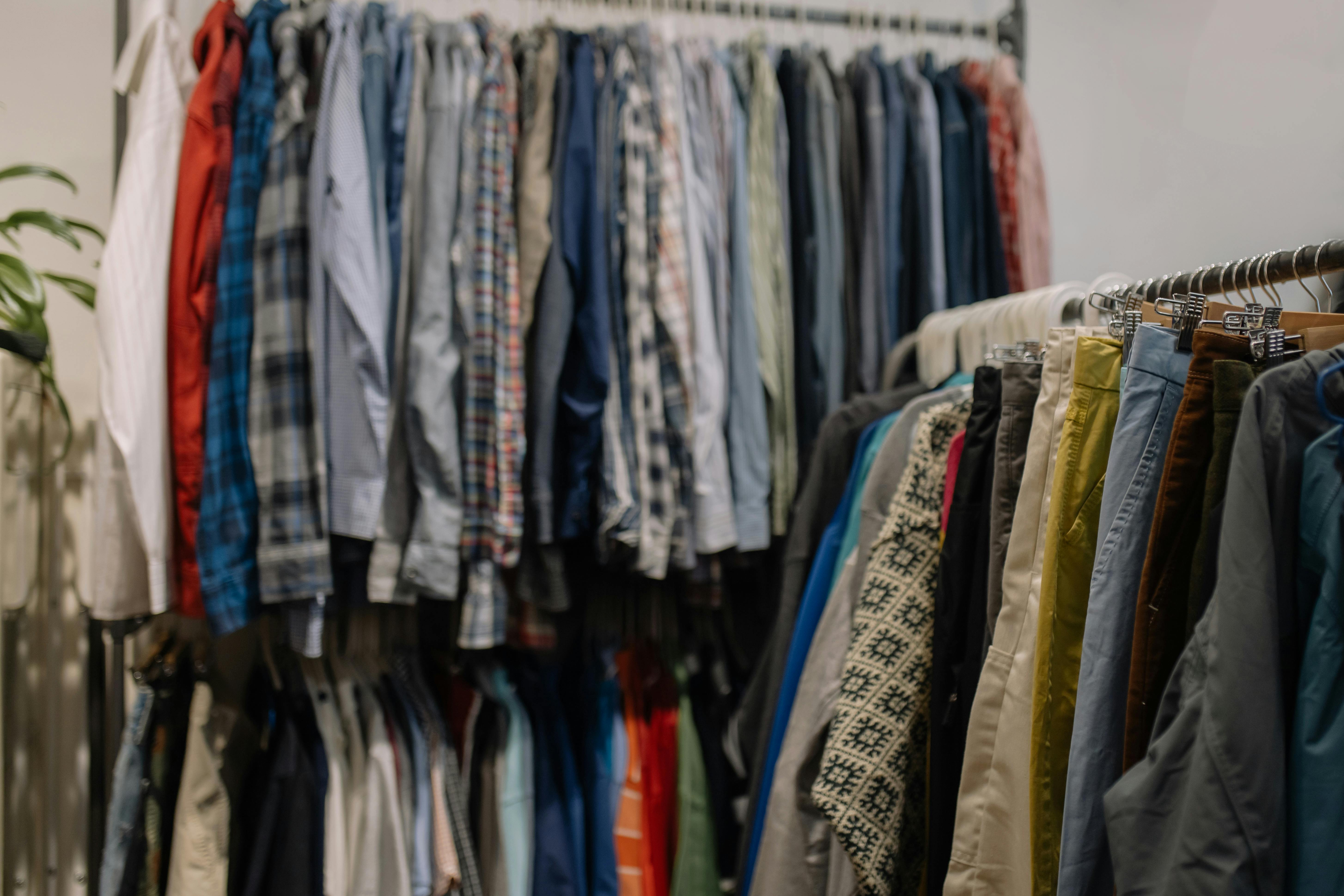
1. The Fashion Industry’s Environmental Impact
Did you know that the fashion industry is one of the largest polluters in the world? According to a report by the UN, it contributes to about 10% of global carbon emissions. In the UK, fashion’s growing environmental footprint is becoming a hot topic, with a push for more sustainable practices in the industry.
2. Second Hand Shopping is Thriving
In the UK, the second hand market is booming! Thanks to platforms like Depop and Vinted, fashion savvy individuals are able to buy and sell pre-loved items, extending the life of clothing and reducing waste. This modern take on thrifting not only helps the planet but is also a treasure hunt for unique pieces!
3. Fast Fashion is Fading
While fast fashion brands have dominated the market for years, there’s been a noticeable shift in consumer behaviour. Many people in the UK are becoming more aware of the impacts of fast fashion and are opting for sustainable brands instead. In fact, a survey conducted by Deloitte found that 58% of consumers are more likely to buy from brands that are environmentally friendly.
4. Organic Cotton is Gaining Traction
Organic cotton is a more sustainable alternative to conventional cotton, and it’s gaining popularity in the UK fashion scene. Unlike regular cotton, organic cotton is grown without harmful chemicals and uses less water.
5. The Rise of Upcycling
Upcycling has taken centre stage in sustainability discussions, and for good reason! It involves taking old items and turning them into something new and fashionable. In the UK, designers like Vintage Threads are proving that upcycled clothing can be cool and kind to the planet.
6. The Importance of Fabric Choice
The fabric choice in fashion is crucial when it comes to sustainability. Materials like recycled polyester, Tencel, and hemp are more eco-friendly compared to synthetic options. In recent years, UK brands have made a commitment to using better materials to lessen their environmental footprint.
7. Certification Matters
When shopping, it’s essential to look out for certifications such as GOTS (Global Organic Textile Standard) and OEKO-TEX. These labels ensure that the clothing has been produced sustainably and ethically. UK consumers are getting up to speed about these certifications, making informed choices in their fashion purchases.
8. Water Usage is a Concern
The fashion industry is infamous for its excessive water usage. It takes about 2,700 litres of water to produce a single cotton shirt, that’s enough for one person to drink for two years! There’s a growing interest in brands that use less water in their production processes.
9. The Role of Fashion Activism
Fashion activism is on the rise, and advocates in the UK are raising awareness about the environmental and ethical issues within the fashion industry. Influencers and activists are using their platforms to encourage sustainable fashion practices, highlighting the importance of responsible consumption.
10. Circular Fashion is the Future
The concept of circular fashion is gaining momentum. This model promotes the idea of reusing, sharing, and recycling clothing rather than following the traditional linear fashion model. Brands in the UK are starting to incorporate circular practices, ensuring that their products have a life beyond the first purchase.
11. The Fashion Industry and Climate Change
The fashion industry’s contributions to climate change are alarming. With increasing temperatures, the need for sustainable practices is more urgent than ever. Various initiatives are working towards reducing carbon footprints in fashion, bringing awareness to the urgency of sustainable fashion.
12. Fast Fashion vs. Slow Fashion
The difference between fast fashion and slow fashion couldn’t be clearer. Fast fashion is all about quick, cheap, and trend led items, while slow fashion focuses on quality, timeless pieces that are made to last. UK consumers are beginning to prefer slow fashion, valuing durability and sustainability over fleeting trends.
13. Local Production Matters
Many sustainable fashion brands in the UK are focused on local production to reduce their carbon footprints. By manufacturing clothing closer to home, brands can help support local economies while decreasing transportation related emissions. This shift is essential for a more sustainable fashion future.
14. Fashion and Fair Trade
Fair trade fashion is making waves in the UK. Supporting fair trade brands means that the artisans and workers who produce the clothing are paid fair wages and work in safe conditions. This is an integral part of sustainable fashion that many consumers are beginning to prioritise.
15. The Power of Minimalism
Embracing minimalism can work wonders for sustainable fashion. By focusing on a capsule wardrobe or investing in high quality staples, we can reduce our consumption and waste significantly. There’s a growing trend in the UK that encourages this mindful approach to fashion, helping individuals to curate their wardrobes consciously.
16. The Impact of Fashion on Biodiversity
The fashion industry has a direct impact on biodiversity, with textile production threatening natural habitats. Increased awareness is prompting brands to consider biodiversity in their sourcing practices, leading to more sustainable choices and a stronger commitment to protecting the planet.
17. Digital Fashion is Here
Believe it or not, digital fashion is becoming a thing! The rise of virtual clothing showcases how we can embrace fashion without the environmental impacts associated with traditional garment production. UK fashion innovators are leading the charge in this new realm, proving that progress can be made without physical garments.
18. Sustainable Fashion Events
Various sustainable fashion events take place around the UK, helping to educate consumers and promote eco-friendly brands. Events like the Sustainable Fashion Forum and London Fashion Week’s sustainable showcases highlight the best practices and innovations in the industry, giving consumers a chance to engage actively.
19. Recycling Fashion
Recycling fashion is essential for minimising waste. Many brands in the UK are implementing take back schemes, encouraging consumers to return unwanted items for recycling. This ensures that clothing doesn’t end up in landfills and can be reused or repurposed.
20. The Importance of Consumer Education
Consumer education plays a crucial role in the future of sustainable fashion. In the UK, initiatives like workshops and educational campaigns are making strides to inform shoppers about the impacts of their choices. The more we understand, the more we can contribute to a positive change in the fashion industry!
Conclusion
The sustainable fashion movement is not just a trend; it’s a necessary shift in how we view our clothing and its impact on the environment. With an increasing awareness consumers are becoming more responsible, prioritising sustainability in their fashion choices. As we continue down this path, remember that every small action counts, and we can collectively make the fashion industry a more sustainable place.
Now that you’re armed with these 20 sustainable fashion facts, it’s time to rethink your wardrobe choices! Let’s embrace the eco-friendly revolution and make a real difference.
 The Blog
Leave a comment