The fashion industry has long been associated with excess and waste, with countless garments discarded every year. However, a burgeoning movement known as zero waste fashion offers a transformative approach to the way we create and consume clothing. In this comprehensive guide, we will explore what zero waste fashion is, its principles, benefits, and practical ways you can adopt this movement in your wardrobe and lifestyle.
Understanding Zero Waste Fashion
Zero waste fashion is not merely a trend but a philosophy that seeks to eliminate waste in the clothing production process. At its core, it promotes a more sustainable approach to fashion that emphasises the responsible use of resources, ethical production practices, and the promotion of a circular economy.
The term “zero waste” refers to the goal of keeping all materials within the production cycle and minimising or completely eliminating waste. This entails designing garments in a way that utilises all the fabric cuttings, rather than merely disposing of the remnants. In essence, zero waste fashion is about rethinking how we consume and produce clothing, creating a more harmonious relationship between fashion and the environment.
The Principles of Zero Waste Fashion
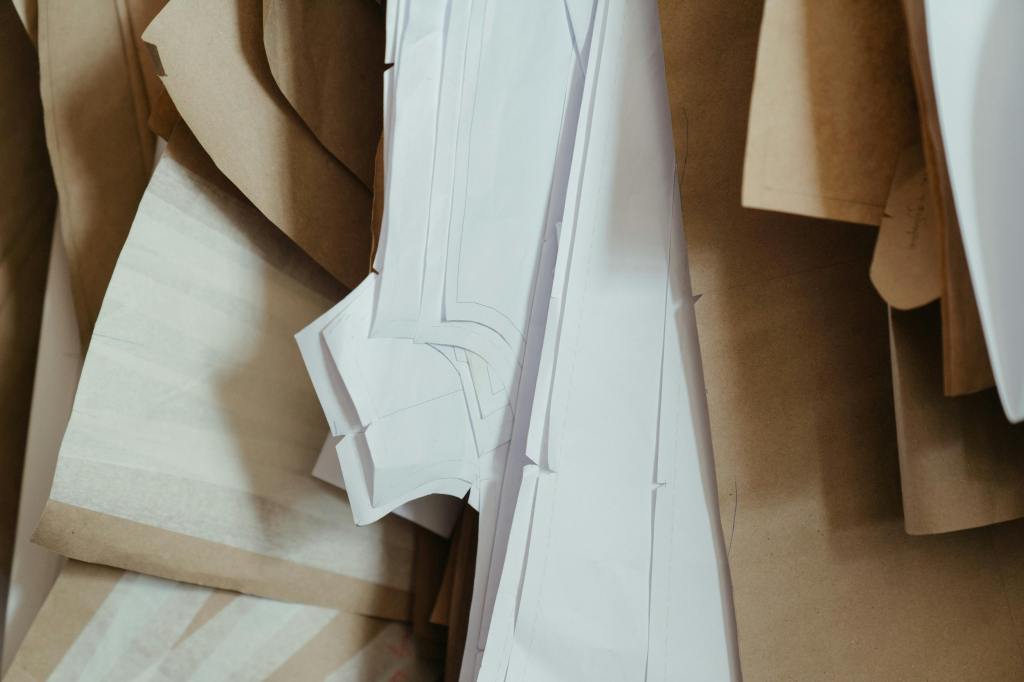
- Design for Waste Reduction: Designers and brands within the zero waste fashion movement focus on creating patterns that leave no fabric scraps behind. This requires innovative thinking and creativity, designers must ensure that every part of the fabric is used through clever pattern placements or multi functional designs.
- Sustainable Materials: This fashion philosophy encourages the use of sustainable or upcycled materials. Using organic cotton, hemp, and recycled fabrics minimises the environmental impact associated with fabric production, from water usage to carbon emissions.
- Local Production: Reducing carbon footprints is an integral part of zero waste fashion, which often advocates for local production. By keeping manufacturing processes nearby, brands can reduce the pollution and resource use associated with transporting goods across the globe.
- Timeless Designs: Zero waste fashion encourages the creation of timeless garments that transcend seasonal trends. The focus is on quality over quantity, designing pieces that can be worn for years rather than being discarded after a single season.
- Circular Fashion: Emphasising a circular economy, this movement advocates for recycling and repurposing materials. Second hand clothing and upcycling play crucial roles, encouraging consumers to buy vintage, donate old clothes, or creatively repurpose items that no longer serve their original purpose.
The Benefits of Adopting Zero Waste Fashion
Practicing zero waste fashion comes with numerous advantages, both personal and societal.
- Environmental Impact: The most significant benefit is the reduction of waste and pollution. By rethinking design practices and minimising excess, zero waste fashion contributes to the preservation of natural resources and reduction in landfill overflow. According to the Waste and Resources Action Programme (WRAP) in the UK, around 1.2 million tonnes of clothing are sent to landfills each year, a statistic that zero waste fashion aims to change.
- Economic Savings: Although zero waste fashion may seem like a costly investment initially, the long term savings are substantial. Higher quality, timeless pieces often lead to a more sustainable wardrobe that lasts longer, reducing the need for frequent replacements.
- Support for Ethical Manufacturing: Engaging with zero waste fashion often leads consumers to align with brands that prioritise ethical practices. This not only transforms the relationship between consumers and brands but also supports workers in the fashion industry who deserve fair wages and safe working conditions.
- Creativity and Individuality: Zero waste fashion encourages a more personalised approach to clothing. By exploring upcycling and DIY techniques, consumers have the freedom to create unique pieces that genuinely reflect their personal style and values.
- Community Engagement: The zero waste movement fosters a sense of community among those who adopt its principles. By participating in local workshops, clothing swaps, and events, individuals can connect with like minded people who are passionate about sustainability and ethical fashion.
Practical Ways to Adopt Zero Waste Fashion
Transitioning to a zero waste fashion lifestyle does not need to be overwhelming. Here are several practical steps you can take to implement this philosophy in your daily routine.
1. Assess Your Wardrobe
Start by taking inventory of your current clothing collection. Identify which items you wear regularly, what may be upcycled, and which pieces could benefit from being donated or passed on. This process will not only declutter your space but also allow you to better understand your personal fashion needs.
2. Buy Less, Choose Wisely
Consider the quality and sustainability of the clothing before making any purchases. Start by investing in versatile, high quality staples that will withstand the test of time. Look for clothing made from sustainable fabrics and adhere to the principles of zero waste design.
3. Embrace Upcycling
Unleash your creativity by exploring upcycling. Turn old garments into new pieces or repurpose them into functional items like bags or home decor. You can find numerous tutorials online or even join a local workshop to learn how to transform your clothing.
4. Participate in Clothing Swaps
Participating in clothing swaps is a fantastic way to refresh your wardrobe without adding to landfill waste. Gather friends or join community events focused on exchanging clothing items. Swapping encourages a sense of community and presents an opportunity to find unique pieces with character and history.
5. Support Local and Ethical Brands
Whenever possible, buy from local artisans and ethical brands that emphasise sustainable practices. Choosing to support small designers contributes to local economies while ensuring your clothing aligns with your values.
6. Educate Yourself and Others
Engage in continuous learning about the fashion industry’s environmental impact. Share your knowledge with friends and family to inspire them to join the zero waste movement. Use social media platforms to amplify your message and reach a wider audience.
7. Dive into Minimalism
Embracing minimalism complements zero waste fashion. By adopting a minimalist mindset, you can limit your clothing collection to only what you truly cherish and wear. This not only simplifies your wardrobe but helps you make more thoughtful purchasing decisions in the future.
The Role of Education and Advocacy
As awareness grows around the issues of waste and unsustainable practices in fashion, education and advocacy become key elements of the zero waste movement. Schools, organisations, and community initiatives are increasingly focusing on teaching future generations about sustainability in fashion.
Workshops that offer insights into sustainable design principles, the importance of ethical production, and hands on activities can cultivate a new wave of conscious consumers and designers. Advocating for change within local communities and pushing for policies that support sustainable fashion can have a lasting impact on reducing waste.
Real Life Inspirations from Zero Waste Fashion
Many pioneers in the field of zero waste fashion have shown what is possible when creativity meets sustainability. Designers are leading the charge with innovative practices and pushing boundaries in garment design. Their work serves as a source of inspiration and a blueprint for others eager to explore this philosophy.
For instance, designers have crafted collections from discarded textiles, using offcuts in ingenious ways to create stylish and functional clothing. These case studies highlight not only the potential of zero waste fashion but also its growing acceptance in the industry.
Conclusion
Zero waste fashion is much more than a buzzword; it is a powerful movement that challenges the conventions of the fashion industry. By adopting practices that prioritise sustainability, ethical procurement, and creative design, we can collectively contribute to a more sustainable future.
Every decision we make as consumers can have a profound impact on the environment and society. By choosing to embrace zero waste fashion, we support a world where fashion no longer equates to waste but instead celebrates creativity, innovation, and respect for our planet.
As you embark on your journey of exploring zero waste fashion, remember that small changes often lead to significant impacts. Whether you choose to upcycle your old clothing, support sustainable brands, or advocate for change within your community, every step matters. The future of fashion can be bright, but it relies on our collective commitment to rethinking how we design, consume, and respect our clothing and the world around us.
 The Blog
Leave a comment