The fashion industry is one of the most influential and dynamic sectors globally, contributing significantly to economic growth and cultural trends. However, it can also have a substantial impact on the environment. This article aims to explore the contrasting paradigms of fast fashion and slow fashion, particularly focusing on their environmental ramifications. By parsing data and trends specific to the UK, we aim to shed light on how these two approaches to fashion differ fundamentally, not just in pace but in sustainability and ecological footprints.
The Fast Fashion Phenomenon
Fast fashion refers to the business model adopted by brands that prioritise rapid production and consumption of clothing. This model thrives on the idea that clothes can be designed, manufactured, and brought to market at an unprecedented speed, allowing consumers to access the latest styles quickly and affordably.
The Growth of Fast Fashion in the UK
The UK has seen a remarkable rise in fast fashion brands over the past two decades. According to the British Fashion Council, the UK fashion market was worth £60 billion in 2020, with fast fashion companies like Boohoo, PrettyLittleThing, and ASOS defining the landscape. These brands often produce large quantities at low costs, appealing to a consumer base that increasingly values affordability and trendiness over quality and sustainability.
Environmental Impact of Fast Fashion
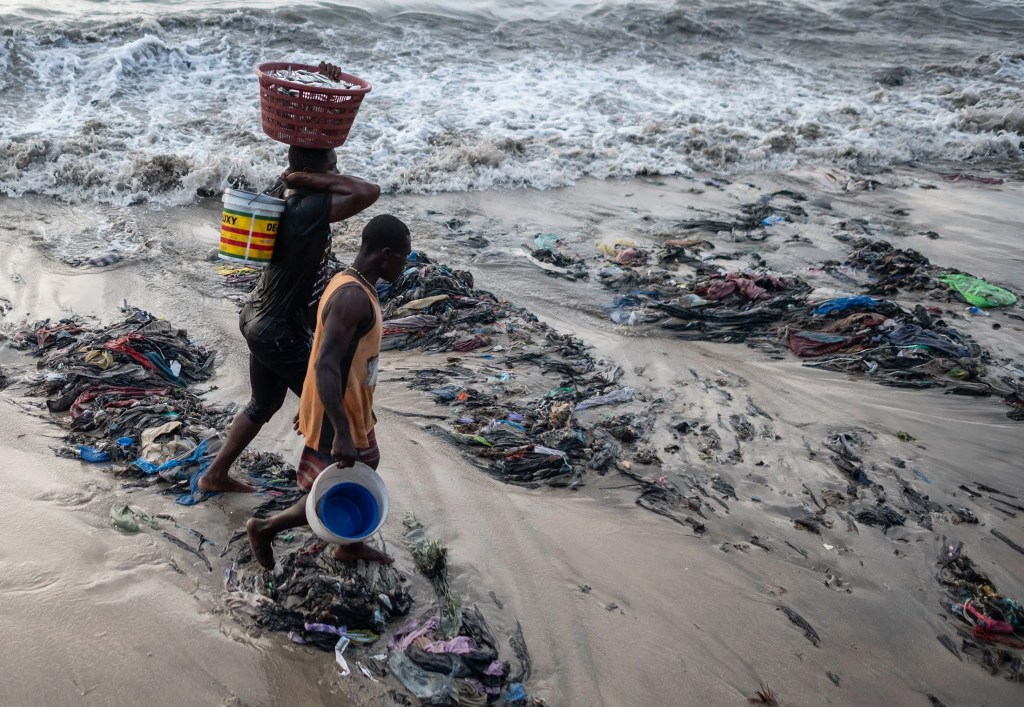
The environmental implications of fast fashion are alarming. The fashion industry is responsible for approximately 10% of global carbon emissions, which is more than the aviation and shipping industries combined (UN Environment Programme, 2018). In the UK, clothing production has approximately doubled over the past 20 years, leading to increased textile waste. A report from WRAP (Waste and Resources Action Programme) states that around 300,000 tonnes of clothing are thrown away in the UK every year, increasing landfill issues.
Water Usage and Pollution
Fast fashion’s rapid production cycle demands vast amounts of water. According to the National Geographic Society, it takes about 2,700 litres of water to produce a single cotton t-shirt, which is equivalent to the equivalent water consumption of one person for three years. The dyeing process for textiles is incredibly water intensive and often utilises toxic chemicals, which can end up in local water sources.
In the UK, many rivers have seen an increase in chemical pollutants attributable to textile production, impacting ecosystems and local communities. The shocking reality is that when we wear our clothes, it’s easy to overlook the extensive resource exploitation behind the scenes.
Microplastics and Pollution
The rise of synthetic fabrics is another concerning trend. Fast fashion brands often rely on materials such as polyester, which are derived from fossil fuels, contributing to greenhouse gas emissions. Microplastics released during washing can accumulate in our oceans, with up to 1 million microfibres released per wash. A study published by the International Union for Conservation of Nature found that 35% of microplastics in the ocean come from textiles, underscoring the urgent need for change.
The Slow Fashion Revolution
In stark contrast, slow fashion advocates for a more sustainable, thoughtful approach to clothing design, production, and consumption. This movement emphasises quality over quantity, encouraging consumers to buy less and favour garments that are ethically produced and environmentally friendly.
Principles of Slow Fashion
Slow fashion is built around several core principles:
- Quality: Prioritising well made clothes that last, as opposed to disposable garments.
- Transparency: Brands are encouraged to provide clear information about their supply chain and production processes.
- Sustainability: Utilising eco-friendly materials and methods that minimise harm to the environment.
- Ethical Labour: Ensuring fair wages and safe working conditions for employees in the fashion industry.
Growing Awareness and Market Shifts in the UK
Recent surveys indicate a shift in consumer behaviour, particularly among younger generations. Research by the Co-op reveals that 80% of UK consumers believe that fashion has a responsibility to reduce its environmental impact. The UK’s slow fashion market is experiencing steady growth. These companies combine ethical practices in sourcing materials, labour conditions, and production processes.
Environmental Impact of Slow Fashion
While slow fashion does not entirely eliminate environmental footprints, its impact is considerably less severe than that of fast fashion.
Reduced Resource Usage
Slow fashion prioritises quality materials and longevity, which often translates to a decrease in overall resource usage. A study from the Ellen MacArthur Foundation states that extending the average lifespan of clothing by just nine months could reduce carbon, waste, and water footprints by up to 30%.
Circular Economy Practices
Many slow fashion brands incorporate circular economy principles, emphasising recycling, upcycling, and reselling. This not only reduces waste but also creates jobs in local communities while encouraging a mindset of valuing higher quality items to be kept longer or creatively repurposed.
The UK Response to Fast and Slow Fashion
The UK government and various organisations have begun responding to the challenges presented by fast fashion. Initiatives such as the Fashion Pact, signed by numerous leading brands, aim to address carbon emissions and improve the sustainability of the fashion industry. Moreover, WRAP is spearheading the “Textiles 2030” initiative aimed at halving the climate impact of new textiles by 2030.
Legislative Measures
As awareness surrounding fast fashion’s environmental impact grows, there have been calls for legislative measures aimed at curbing its effects in the UK. The government has been urged to implement policies that promote sustainable practices, better waste management, and extended producer responsibility.
Conclusion
The battle between fast fashion and slow fashion is not merely a trend; it is a necessity in acknowledging the environmental impact of our clothing choices. The shift towards slow fashion represents a pivotal moment in the industry, where consumers are encouraged to embrace sustainability.
To combat the destructive effects of fast fashion, it is crucial to raise awareness, implement better practices, and actively choose brands that align with sustainable goals. The power of consumer choice can drive significant changes within the fashion industry. While fast fashion offers immediate gratification, slow fashion provides a sustainable future for our planet and society. The choice is ultimately in our hands.
For UK consumers, this represents an opportunity for growth toward a more sustainable fashion culture, one that values environmental care and social responsibility over fast paced consumption. The journey ahead may be long, but it is undoubtedly worth pursuing for the sake of our environment, our communities, and future generations.
References
- United Nations Environment Programme. “Fast Fashion, a Global Sustainable Development Challenge.” 2018.
- WRAP. “Textiles 2030: A sustainable textiles action plan.” 2020.
- National Geographic Society. “The Water Footprint of Clothing.” Accessed 2023.
- Ellen MacArthur Foundation. “A new textiles economy: Redesigning fashion’s future.” 2017.
- Co-op. “Fashion Responsibility: Consumer Attitudes and Behaviour.” 2021.
In conclusion, when we choose how to dress, we are choosing the kind of future we want to create. By embracing slow fashion principles and demanding accountability from fast fashion brands, we can forge a new path that values our planet and the lives of those who create our clothes.
 The Blog
Leave a comment