It’s a pretty dark world out there, isn’t it? Every day, we come across news stories, tales from friends, and experiences that remind us just how complex and, at times, downright ugly human nature can be. People lie, cheat, and steal. They’re ungrateful, arrogant, dishonest, and jealous. It’s like a never ending cycle of negativity, and honestly, it can be exhausting to witness. Yet, amidst all this darkness, there’s a glimmer of hope that shines through if we choose to look for it.
Marcus Aurelius, the Roman emperor and Stoic philosopher, understood this dark side of humanity all too well. In his work Meditations, he opens with a famous passage that resonates with many of us: “The people I deal with today will be meddling, ungrateful, arrogant, dishonest, jealous, and surly.” It’s like he’s giving us a heads up about the human condition. But perhaps what’s even more poignant is how he responds to this truth. Rather than sinking into despair or becoming jaded, he reminds us that it’s crucial to maintain our integrity. He asserts, “No one can implicate me in ugliness.” And that’s a powerful stance to take, one that encourages us to remain true to ourselves, no matter what.
So, how do we navigate a world filled with individuals who may not always have our best interests at heart? For starters, we remember that their actions don’t have to dictate ours. We don’t control how people behave, but we do control how we respond to them. Yes, it can be tempting to engage in the ugly behaviours we see around us. When we’re confronted by dishonesty or rudeness, it takes a conscious effort to remain kind and decent. But what if, instead of letting them drag us down, we rise above?
Embracing kindness becomes our choice. Sure, it’s not easy. There will be days when you’re pushed to your limits by someone’s arrogance or jealousy. It might feel like the world is giving you every reason to fight back. But here’s where Aurelius’ wisdom comes into play again: we have the power to choose who we want to be, regardless of the chaos surrounding us.
Finding Beauty in Our Responses
Imagine walking into a crowded place, maybe it’s a café, a bus stop, or even your office. You notice a couple of people grumbling about their day while others ignore each other’s existence. But then, amidst the grumbling, someone offers a genuine compliment or helps someone else in need. Suddenly, the atmosphere shifts. A smile spreads, and for a moment, the darkness is pierced by rays of human kindness.
This isn’t just anecdotal; it’s the reality of how positive behaviour can ripple through our lives. When we choose kindness, it creates a difference, not just for ourselves but for those around us. You may not see immediate results, and that’s okay. Sometimes, the acts of kindness we perform have effects we might not even be aware of. It could inspire someone else to act similarly, creating a chain reaction of goodwill.
When you embody kindness, you emit a kind of energy that invites others to reflect and possibly change their behaviour. Just think about it: if you come into work with a smile, greeting your colleagues warmly, how might that impact their day? Maybe someone was planning to vent about their problems, but your positive energy shifts the conversation. You could be the reason they decide to look at the brighter side instead.
Modeling Behavior for Future Generations
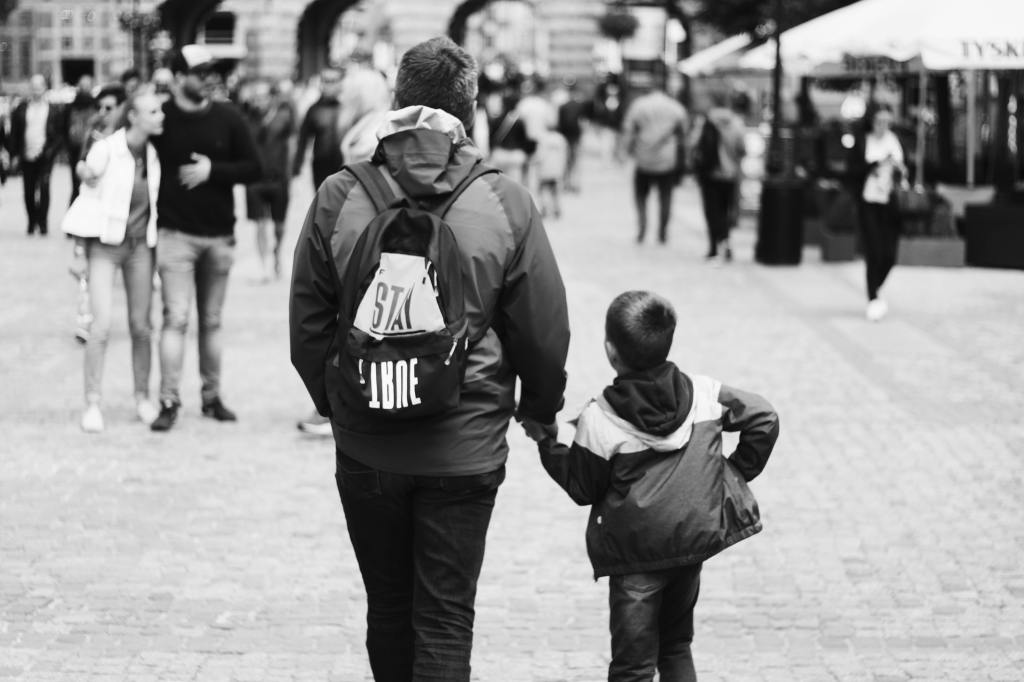
Now, if you’re a parent, or even a mentor to someone young this responsibility takes on new significance. Kids are like sponges; they soak up everything they see and hear. If they see you responding to negativity with grace and positivity, that’s a powerful lesson for them. They learn, perhaps without even realising it, that the world doesn’t dictate their reactions and that they can forge their own paths.
It’s easy to complain about the world and moan about how unfair it is. But as Marcus Aurelius reminds us, we hold the reins to our response. When we show our children how to be decent human beings, to treat others with respect and kindness, we’re giving them a roadmap for navigating the very challenges he discussed. Who knows? By modeling this behaviour, we may empower them to rise above the darkness that seems so prevalent.
Cultivating Inner Strength
But how do we maintain this inner strength when we encounter negativity? It’s about cultivating resilience. Resilience doesn’t mean you’re immune to the hardships of life; rather, it’s having the tools to bounce back from them. Imagine if we practiced self care, engaged in mindfulness, or even took time for hobbies that bring us joy. These moments enrich our lives and arm us against becoming entangled in the ugliness of the world around us.
Meditation and reflection, practices championed by Stoic philosophers like Aurelius, can also help. Taking time to center yourself allows you to approach challenges with a clear mind and a better attitude. When you cultivate inner peace, you’re less likely to let the negativity of others drag you down. Instead, you become a pillar of positivity, which not only benefits you but those around you.
Remember, engaging in kindness is much like exercising, strengthening our capacity for goodwill takes practice. You might start small. Maybe it’s simply acknowledging someone’s hard work or offering a helping hand when you see someone struggling. Over time, these acts weave a fabric of kindness that not only transforms our lives but also influences those we encounter.
A Reminder in Tough Times
Of course, life isn’t all sunshine and rainbows. We’ll all face difficult times when it feels almost impossible to maintain a positive outlook. During those moments, it’s important to remember that it’s okay to feel frustrated or disheartened. The key is to not let those feelings define us. It’s okay to take a step back, recognise our emotions, and even vent a little bit, but we have to be cautious not to dwell in that space.
Surrounding ourselves with uplifting people also makes a huge difference. Friends who reinforce positivity and encourage our better instincts help boost our resilience. So, thoughtfully curate your inner circle; find those who share your values and uplift each other.
Conclusion: Our Choice in a Dark World
So, here’s the bottom line: yes, we live in a world that can be dark, filled with people who sometimes choose harmful paths. But just because others choose to act in a certain way doesn’t mean we have to follow suit. As Aurelius reminds us, we can rise above; we have the power to foster beauty in our actions, to be kind and decent in a world that often feels hostile.
In a world filled with shadows, there’s always room for light. By embracing kindness, being true to our values, and modeling positive behavior for those around us, especially children, we become beacons of hope and strength. The choices we make today can create ripples, leading others towards the light as well.
Let’s carry this philosophy forward and strive to be individuals of substance and character. Because ultimately, it’s not about the darkness we see; it’s about the light we choose to bring into it.
 The Blog
Leave a comment