In an era where climate change looms over us, the quest for innovative solutions to mitigate its effects has never been more critical. Among these promising advancements, researchers at ETH Zürich have made a groundbreaking leap in sustainable architecture by developing a unique 3D-printable building material, lovingly referred to as C-ELM (Cyanobacteria-infused Engineered Living Material). This dynamic material not only promises to redefine construction practices but also paves the way for buildings that can actively contribute to environmental sustainability.
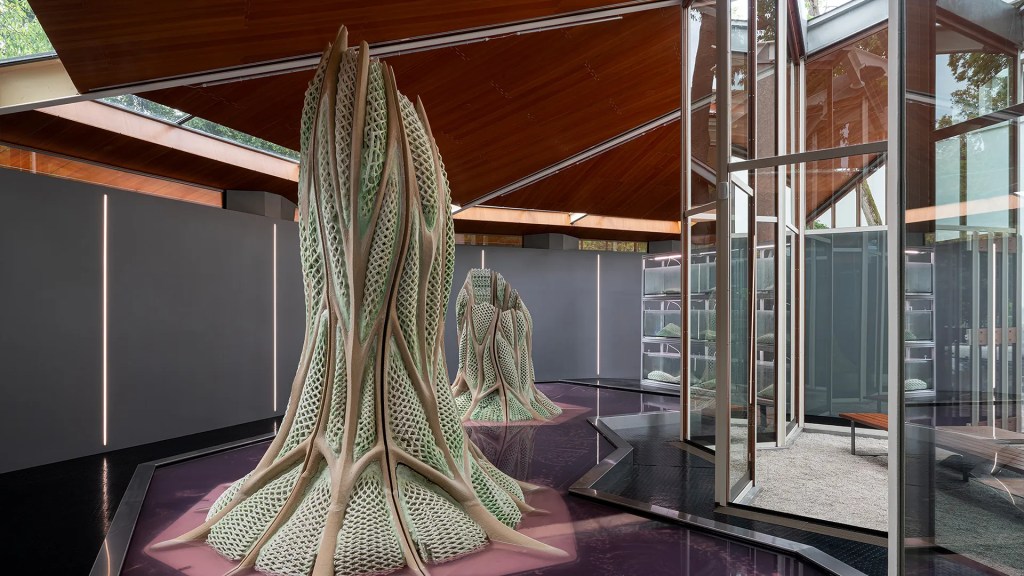
Understanding the Science Behind C-ELM
To appreciate the marvel of C-ELM, we must first delve into its fundamental components and the science that underpins its functionality. This living material integrates cyanobacteria, tiny microorganisms that possess remarkable photosynthetic capabilities. The energy from sunlight enables these bacteria to convert carbon dioxide (CO₂) from the atmosphere into organic compounds, thus serving a dual purpose: they not only thrive as microorganisms but also actively aid in reducing greenhouse gas concentrations.
The structure of C-ELM consists of a hydrogel matrix that houses the cyanobacteria. This hydrogel is crucial as it provides a conducive environment for the bacteria to perform photosynthesis. In essence, the hydrogel acts like a sponge, facilitating the movement of nutrients, water, and gases while protecting the sensitive microorganisms within. This synergy between the living organisms and the hydrogel is the cornerstone of C-ELM’s effectiveness.
Mechanism of Action: How C-ELM Captures CO₂
The core functionality of C-ELM lies in its mechanism of carbon capture. As the cyanobacteria undergo photosynthesis, they absorb atmospheric CO₂ and convert it into solid calcium carbonate (limestone) and biomass. This process not only sequesters carbon but also strengthens the material itself, enabling it to become a living carbon sink. Over time, as more CO₂ is absorbed and converted into limestone, the material evolves from a soft, 3D-printed structure into a durable, self-reinforcing component, thereby enhancing the overall integrity of the building fabric.
The Self Hardening Phenomenon
What sets C-ELM apart from conventional building materials is its self hardening property. Initially, the material is soft, allowing for easy manipulation during the construction phase. However, as the minerals accumulate through the continuous conversion of CO₂, the material becomes significantly harder and stronger over time. This unique characteristic eliminates the need for additional cementing agents and enhances the longevity of the structure.
By integrating this living material into building facades, C-ELM transforms ordinary architectural designs into active participants in the battle against climate change. Each building becomes a breathing ecosystem, contributing to carbon reduction while maintaining structural integrity.
A Breath of Fresh Air, Application and Impact
The primary application of C-ELM is in constructing building facades. By using this innovative material, architects and builders can create “breathing” houses that not only meet housing demands but also serve as vital tools in the fight against carbon emissions.
In comparison to traditional materials such as conventional recycled concrete, C-ELM has been shown to store more than triple the amount of carbon. This staggering efficiency could redefine industry standards, pushing forward policies and practices that favour sustainability and eco-friendliness. As cities grow and demand for housing increases, the role of such innovative materials becomes all the more crucial because it offers a way to reverse the impact of urbanisation on the environment.
Beyond C-ELM: The Future of Self Healing Concrete
The project at ETH Zürich does not stop with the development of C-ELM. The researchers are also exploring the viability of self healing concrete utilising different types of bacteria. This innovative approach could address the pervasive problem of concrete deterioration over time. By embedding specialised bacteria within concrete, researchers envision a material that can autonomously repair cracks and damage using natural processes, further minimising maintenance costs and prolonging the life span of structures.
The potential for self healing concrete complements the principles of C-ELM and expands the spectrum of sustainable building materials available to modern architecture. By reducing the need for repairs and ensuring longer lasting structures, the overall carbon footprint of construction and maintenance can be significantly diminished.
Challenges and Considerations
While the promise of C-ELM and other living materials is exciting, there are challenges to consider. The long term stability and performance of such materials in various environmental conditions must be thoroughly understood. Additional research is necessary to evaluate how these living materials will behave over time, especially in the face of changing climate dynamics.
Moreover, the integration of C-ELM into existing building codes and construction practices could pose its own set of challenges. Collaboration between researchers, architects, policymakers, and builders will be essential to establish guidelines and standards that ensure the safe and effective use of these innovative materials.
Conclusion: Building a Sustainable Future
The developments at ETH Zürich represent a shining beacon of hope on the horizon of sustainable construction. With C-ELM, we are witnessing the fusion of biology and architecture in a way that empowers buildings to take an active role in combating climate change. As cities continue to expand and evolve, embracing materials like C-ELM could offer a transformative path toward reducing carbon footprints and fostering healthier environments.
By shifting our focus from traditional construction methods to living materials, we celebrate the potential for a future where buildings are no longer mere structures but integral parts of the ecosystem, enhancing both urban life and environmental health. The innovative work being done by researchers is not only inspiring but is also a vital contribution to the collective efforts needed to secure a sustainable future for generations to come.
As we continue to explore and advance the frontier of sustainable materials, the innovations emerging from institutions like ETH Zürich will undoubtedly lead us to new heights in our quest for harmonious living with nature. The journey toward sustainable construction is just beginning, and with each breakthrough, we move one step closer to a greener, more resilient world.
 The Blog
Leave a comment