It’s exhausting, isn’t it? Getting all riled up about something, whether it’s the latest news, work stress, or the complexities of our relationships. There’s a certain fatigue that comes from constantly grappling with our emotions. Think about it: how often do we find ourselves in this tumultuous sea of feelings? We get worried about something bad happening, we get excited at the prospect of something good, only to have that excitement dashed when reality doesn’t match up to our expectations. It’s a rollercoaster ride, and it can wear us down.
‘The passions,’ as the Stoics referred to them, can be incredibly dangerous. They’re not just fleeting feelings; they burn us up… and burn us out. They pick us up, spin us around, chew us up, and spit us out, to paraphrase the Florence + the Machine song. It leaves you wondering: is this really what we’re here for? To be slaves to our passions, to be tossed around like a plaything by our emotions and impulses?
I refuse to believe that this is all there is to life. There has to be a different way to navigate through this chaos, one that allows us to experience life’s highs and lows without getting completely overwhelmed.
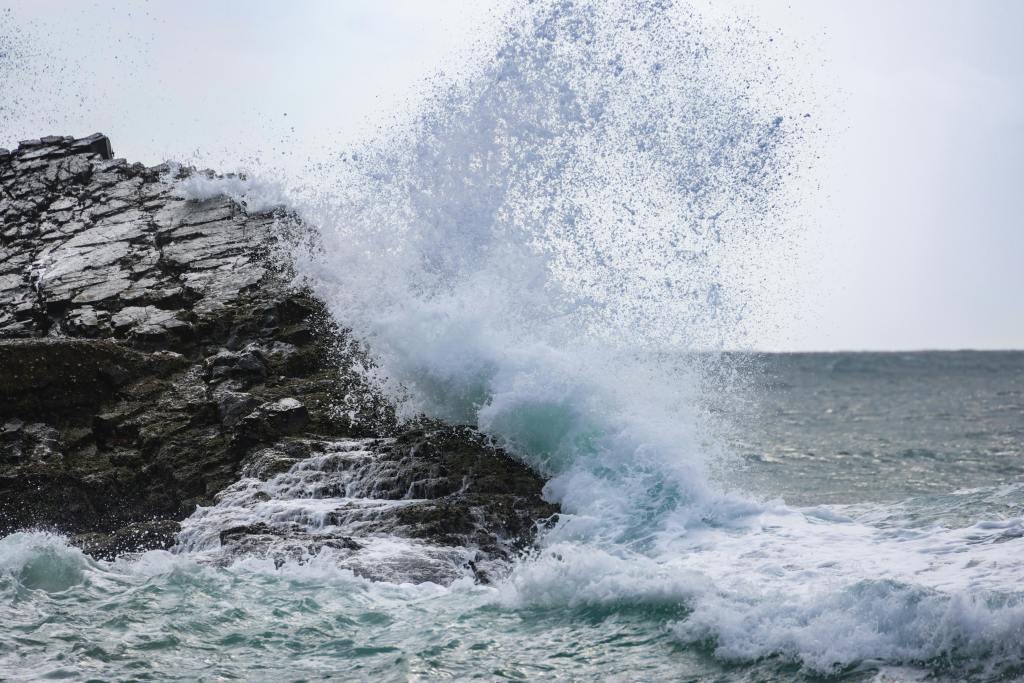
Marcus Aurelius, the famous Roman Emperor and Stoic philosopher, offers some compelling advice in his work Meditations. He encourages us to embody the image of a rock amidst crashing waves. According to him, “be like the rock that the waves keep crashing over.” That rock stands unmoved, while the raging sea falls still around it. In a world rife with emotional turbulence, perhaps it is our task to be that solid rock.
Think about it: how often do we let external forces dictate our emotional state? We wake up each day, already bracing ourselves for a barrage of challenges and pressures. It’s easy to get swept away, feeling like a passenger on a run away ride that we have no control over. But it doesn’t have to be this way. We can choose how we respond to these shifting tides.
Let’s break this down a bit. What does it mean to stand back and reflect instead of getting swept away by our emotional responses? It sounds simple in theory but can be a challenge in practice. We often react immediately, allowing frustration, excitement, or anxiety to take the wheel. However, there’s a powerful aspect to pausing before responding. When we resist the urge to be pulled into the emotional whirlwind, we create space for clarity, calmness, and intention. That space allows us to respond rather than react, giving us the power to choose our path.
In this way, feeling less pulled, less shaken, and less owned by every passing wave becomes not just a lofty goal but a tangible practice. It doesn’t mean we stop feeling; rather, we begin to feel differently. It’s about managing our reactions and finding our footing amidst the chaos.
How can we cultivate this steadfastness? Here are a few ideas:
- Mindfulness Meditation: Practicing mindfulness can help us create a buffer between our emotions and our reactions. By taking a few moments each day to focus on our breath, we can become more aware of the ways emotions rise and fall within us. This awareness is the first step towards not letting those emotions dictate our actions.
- Journaling: Writing about our experiences can serve as a powerful outlet. It can help us process our feelings and gain a better understanding of our emotions. When we put pen to paper (or fingers to keyboard), we can reflect on what triggers us and how we respond. It can be enlightening to see certain patterns emerge over time.
- Physical Activity: Engaging in physical exercise can also help us release emotional tension. Whether it’s going for a run, practicing yoga, or simply going for a walk, movement can help alleviate stress and reset our emotional state.
- Cultivating Gratitude: Taking the time to acknowledge what we are grateful for can shift our focus from what’s bothering us to what brings us joy. It’s about training our minds to notice the good even amid chaos.
- Setting Boundaries: Sometimes, we need to protect ourselves from external emotional chaos, whether it’s from toxic relationships, stressful work environments, or overwhelming news cycles. Setting boundaries can help us maintain our emotional equilibrium.
The key takeaway here is that while the passions are inevitable, it’s our choice how much we let them govern our lives. We can’t stop the waves from crashing, but we can certainly choose how we respond to their ebb and flow. As we navigate through these emotional waters, let’s take a moment to pause and reflect. Let’s strive to be that rock, standing firm even when everything else seems to be in turmoil.
We’re all human, and feelings are a natural part of the experience. So, let’s be kind to ourselves during this journey. Life will undoubtedly throw us curveballs, and there will be moments of frustration, joy, disappointment, and excitement. What’s important, though, is how we choose to ride those emotional waves. That’s where our power lies.
In a world that often feels chaotic, let’s commit to cultivating calmness and resilience. Let’s embrace the idea that while we don’t control the tides, we do control how we navigate through those waters. We can learn to ride the waves without being tossed around, reminding ourselves to take a step back when the storms hit.
We have the capacity to feel deeply, to love fully, and to remain grounded amidst the chaos. In doing so, we create not just a better life for ourselves, but also become a steadier influence for those around us. Remember, it’s okay to feel, but let’s also strive to feel with intention and mindfulness. That’s how we can truly stand unmoved, just like the rock.
So, as we navigate this rollercoaster called life, let’s remember our task: not to feel nothing, but to feel in a way that honours our experiences while also allowing us to maintain our peace. We can be the calm in our own storms, staying resilient and strong, even when it feels like everything else is shifting beneath us. Let’s take a breath, plant our feet firmly on that metaphorical rock, and ride those waves with grace and strength.
 The Blog
Leave a comment