Singapore, known for its stunning skyline, bustling economy, and vibrant culture, also stands as a beacon of sustainability in urban planning. One of the key components of this sustainability ethos is the Waste-to-Energy (WTE) system, an initiative born out of necessity due to the city’s limited land for traditional landfills. This blog post delves into how Singapore has ingeniously integrated WTE into its urban infrastructure, transforming waste management into an opportunity for energy production, and ultimately, enhancing the quality of life for its residents.
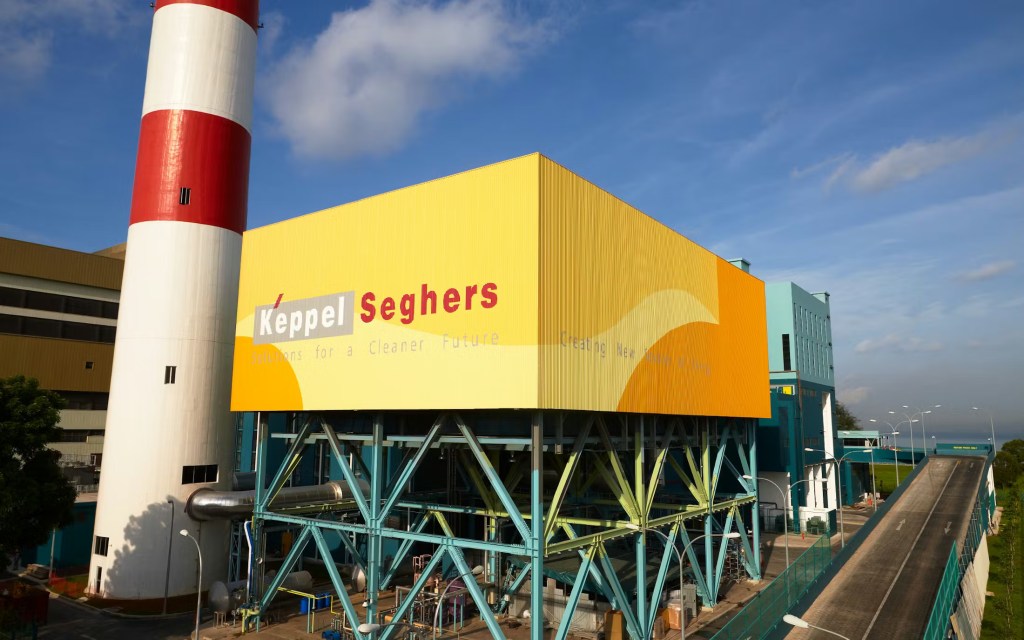
The Rationale Behind WTE in Singapore
Given Singapore’s small land area, just about 728.6 square kilometers landfill space is at a premium. Historically, the country relied on landfills to handle its waste, but as urbanisation progressed and waste generation surged, the need for a more sustainable solution became evident. The WTE system was thus formulated, removing the dependency on landfills while simultaneously contributing to energy sustainability.
Singapore’s WTE system not only reduces the volume of waste significantly, by up to 90%, but also aligns with the nation’s commitment to environmental responsibility and energy security. The decision to pivot towards WTE showcases the country’s forward thinking approach and willingness to adopt innovative, technology driven solutions that have significant environmental benefits.
The WTE Process
The WTE process in Singapore is both fascinating and efficient, comprising several key stages:
- Waste Collection: The process begins with the collection of non-recyclable waste from various sectors, including residential, commercial, and industrial areas. This waste is transported to WTE plants strategically located throughout the city to minimise transportation distances and associated carbon emissions.
- Incineration: Once the waste reaches the WTE facilities, it undergoes incineration at extremely high temperatures, typically around 800 to 1000 degrees Celsius. This process burns off organic materials while reducing the waste volume. High efficiency boilers capture the heat generated from incineration, which is then converted into steam to drive turbines and generate electricity.
- Energy Generation: The energy produced through this process plays a significant role in meeting Singapore’s electricity demand. By turning waste into energy, the country can partially reduce its reliance on fossil fuels and enhance its energy resilience. This dual benefit of waste reduction and energy generation exemplifies Singapore’s commitment to sustainability.
- Ash Processing: After incineration, the remaining bottom ash comprises about 10% of the original waste volume. Rather than discarding this ash, Singapore has repurposed it into construction materials. It can be used in concrete production, thus contributing to the circular economy by reducing the need for virgin materials and minimising waste.
- Monitoring and Environmental Controls: To ensure that the WTE process adheres to environmental standards, Singapore implements stringent air quality controls and continuous monitoring. Advanced filter technology minimises the release of harmful emissions into the atmosphere, maintaining public health and safety while establishing the facility’s operation as environmentally friendly.
A Case Study of Success: The Tuas Nexus
One of the shining examples of WTE in Singapore is the Tuas Nexus project, which integrates waste management and water treatment, creating a pioneering model in urban management. This project showcases how different sectors can collaborate to maximise resource utilisation.
Synergy Between Waste and Water Management
The Tuas Nexus combines the functions of a waste-to-energy plant and a wastewater treatment facility. The energy generated from the incineration of waste helps power the water treatment processes, creating a symbiotic relationship that boosts efficiency. Furthermore, the facility is designed to minimise environmental impacts, incorporating state of the art technology and sustainable practices.
Community Engagement and Education
Singapore’s success in implementing WTE is also rooted in public engagement. The government has undertaken various initiatives to educate citizens about waste management practices. Through campaigns and community programs, residents are encouraged to reduce waste and recycle as much as possible. This culture of responsibility complements the WTE system, ensuring that residents are active participants in the sustainability journey.
Looking Towards the Future: Innovations Ahead
As Singapore continues to grow and evolve, its WTE system will undoubtedly play a pivotal role in future urban planning. Innovations on the horizon include advancements in technology that could increase energy generation efficiency, along with enhanced recycling systems to further minimise waste entering WTE plants.
Moreover, Singapore is exploring additional avenues for waste reduction, such as source segregation and composting, to maximise resource recovery. Engaging citizens in these practices is vital, fostering a collective responsibility towards sustainability that will benefit future generations.
Regional and Global Influence
Singapore’s approach to waste management has received international attention and serves as a model for other densely populated urban centers facing similar challenges. By demonstrating that effective waste management can be both environmentally friendly and economically viable, Singapore offers valuable insights for cities worldwide.
Conclusion
In conclusion, Singapore’s Waste-to-Energy system is a formidable example of urban sustainability, blending waste management with energy production effectively. Through innovation, community engagement, and a commitment to environmental responsibility, the country not only addresses its waste challenges but also paves the way for a greener future. As Singapore continues to advance its WTE initiatives, it reaffirms its status as a leader in sustainable urban planning, proving that where there is waste, there is definitely a way, one that leads to energy and enhanced quality of life for all its citizens.
By embracing such a positive and forward thinking approach, Singapore inspires other nations to rethink their waste management strategies for a promising and sustainable future. It is a shining example that waste can indeed be turned into a resource, contributing positively to both the environment and society.
Call to Action
As we reflect on Singapore’s WTE system, it’s a good time for individuals, businesses, and governments around the world to consider their own waste practices. By adopting innovative solutions similar to Singapore’s system, we can collectively steer our urban environments towards sustainable futures where waste is not just discarded, but transformed into opportunities. What changes can you make today to contribute to a greener planet for tomorrow?
 The Blog
Leave a comment