In a world increasingly burdened by non-biodegradable waste, the quest for sustainable alternatives has never been more crucial. Enter the Magical Mushroom Company and its groundbreaking innovation, the mushroom based material that promises to revolutionise packaging and beyond. This incredible substance can be grown into almost anything within just seven days, offering a direct replacement for traditional polystyrene. As we dive deeper into this remarkable creation, we’ll explore its benefits, applications, and the journey toward a more sustainable future.
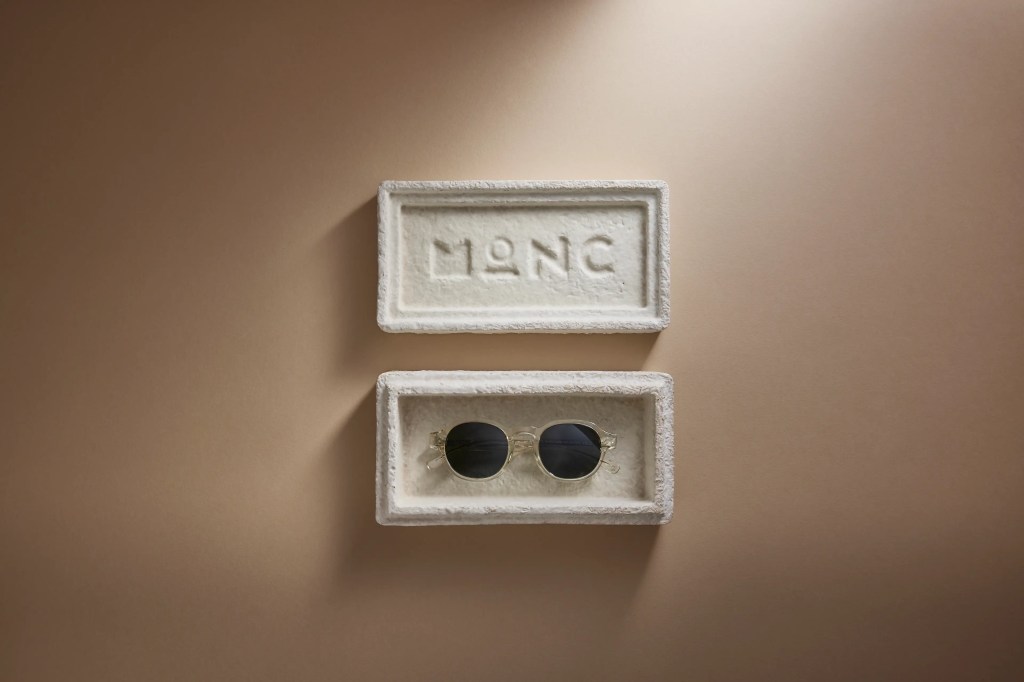
Understanding the Basics: What Is Mushroom Based Material?
Mushroom based material is derived from agricultural waste and mycelium, the root system of mushrooms. These components work together to create a resilient and versatile substance. Mycelium grows rapidly, forming a dense network that binds together pieces of waste material, creating a strong product that can mimic the functions of polystyrene without the environmental baggage.
While traditional polystyrene contributes significantly to landfill waste, this alternative boasts a biodegradable life cycle. Within a few weeks to months after disposal, the mushroom based material breaks down harmlessly, returning nutrients to the soil and thereby contributing to a healthier ecosystem.
The Environmental Impact: A Greener Tomorrow
The environmental benefits of replacing polystyrene with mushroom based materials are significant. Here are some key points to consider:
- Biodegradability: Unlike polystyrene, which can take hundreds of years to decompose, mushroom material breaks down in weeks, reducing the strain on landfills.
- Reduced Carbon Footprint: The production of mushroom based materials requires considerably less energy compared to petrochemical products, leading to lower greenhouse gas emissions.
- Sustainable Sourcing: The raw materials for mushroom products are often agricultural by products, such as straw and husks. This not only diverts waste from landfills but also supports circular economy practices.
- Soil Enrichment: Post consumer, the material can be composted, allowing it to enrich the soil and promote healthy plant growth, unlike polystyrene which can leach harmful chemicals.
Quick Growth: The Seven Day Wonder
One of the most remarkable aspects of this material is its growth efficiency. The fact that it can be cultivated into various shapes and forms in just seven days is astounding. This rapid growth cycle allows businesses to respond quickly to market demands without compromising on sustainability.
The process typically begins with the selection of agricultural waste, which is combined with mycelium. This mixture is then placed in molds according to the desired shape. In optimal conditions, mycelium spreads throughout the substrate and binds it into a cohesive form ready for use, all within a week.
This efficiency not only streamlines the manufacturing process but also reduces costs associated with long production times. For companies looking to adopt sustainable packaging solutions, the quick turnaround makes mushroom based materials an attractive option.
Diverse Applications: From Packaging to Construction
The versatility of mushroom based materials opens up a world of possibilities across various industries. Below are some notable applications worth exploring:
1. Sustainable Packaging
With rising consumer awareness regarding plastic waste, many companies are seeking sustainable alternatives for packaging. Mushroom based materials can replace polystyrene in protective packaging, ensuring that products arrive safely without contributing to environmental degradation.
2. Insulation Solutions
Another significant application lies in the construction industry. Mycelium based insulation provides effective thermal regulation and soundproofing properties, proving to be an eco-friendly alternative to conventional insulation materials such as foam.
3. Furniture Design
Innovative designers have started to experiment with mushroom material to create furniture that is not only stylish and functional but also sustainable. From chairs to tables, the potential for creative expression is vast, and the product’s unique texture offers a natural aesthetic.
4. Building Materials
Beyond insulation, mycelium can be used to create bricks and panels for construction, offering a low impact alternative to traditional building materials. These mushroom bricks possess good compressive strength and offer unique aesthetic properties.
5. Consumer Goods
Mushroom based materials are also finding their way into everyday items, including electronics casings, kitchenware, and decorative items. This trend aligns with growing consumer demands for responsible products that do not compromise their environmental values.
Economic Viability: The New Green Economy
For businesses contemplating the transition to sustainable practices, the economic implications of adopting mushroom based materials are promising. The following factors contribute to their potential success in the marketplace:
1. Cost Effectiveness
While the initial investment may seem daunting, the long term savings from reduced waste disposal costs and lower energy usage during production can lead to significant financial benefits. As technologies advance and production scales up, the cost of mushroom based materials is expected to decrease further.
2. Competitive Advantage
Companies that leverage mushroom based materials can differentiate themselves in the marketplace. As consumers increasingly seek brands that prioritise sustainability, having eco-friendly products can enhance brand loyalty and attract new customers.
3. Regulatory Compliance
With increasing regulations around plastic use and waste management, businesses utilising mushroom materials may find it easier to comply with environmental laws. This proactive approach positions companies favourably in a shifting regulatory landscape.
The Future of Mushroom Materials: Innovations on the Horizon
As the magical potential of mushroom based materials unfolds, there are numerous avenues for research and innovation. Future developments may include:
- Hybrid Materials: Combining mycelium with other natural substances to enhance performance and expand applications.
- Advanced Coatings: Exploring ways to create water resistant or fire retardant properties to broaden usage in various industries.
- Food Packaging: Developing mushroom materials that are safe for direct contact with food, responding to the push for sustainable food packaging solutions.
Conclusion: Embracing the Change
The future looks bright for mushroom based materials and the vision of a reduced reliance on harmful plastics. By adopting these innovative solutions from the Magical Mushroom Company, we can collectively work toward a greener, cleaner future.
Imagine a world where packaging materials support life, enrich the soil, and seamlessly integrate into our natural ecosystems. This isn’t just a dream, it’s a reality that’s just around the corner, made possible by the remarkable potential of mushrooms.
In the face of environmental challenges, embracing sustainable alternatives is both a responsibility and an opportunity. By supporting initiatives like the one produced by the Magical Mushroom Company, we can all play a part in driving change and creating a sustainable legacy for generations to come.
For more detailed insights into the world of mushroom based materials, check out Magical Mushroom Company, where innovation meets sustainability.
 The Blog
Leave a comment