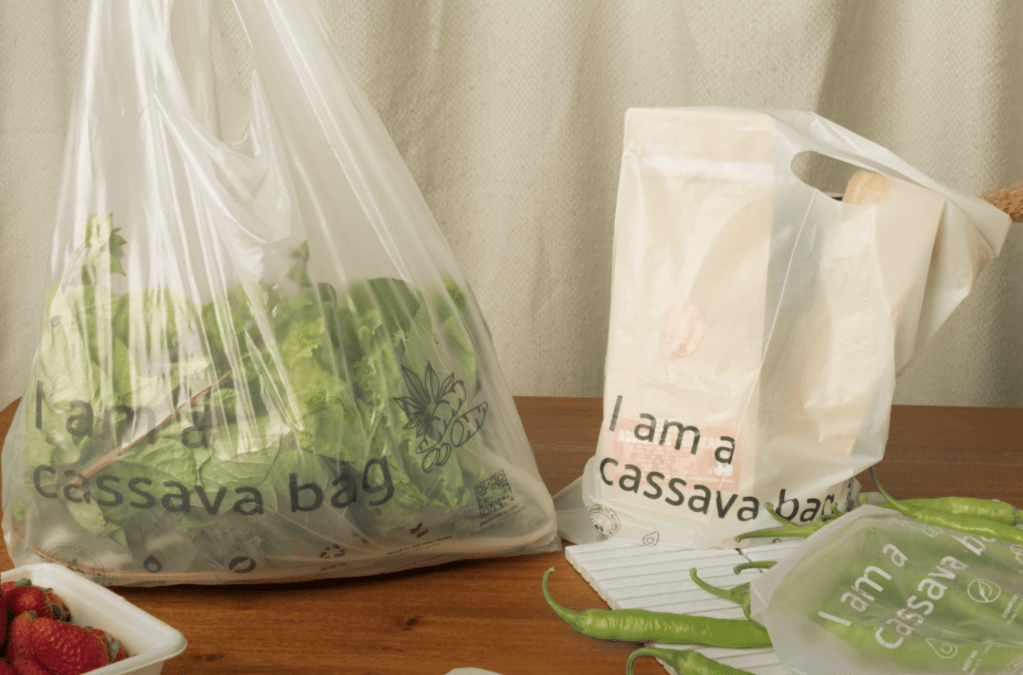
In recent years, the urgency for sustainable solutions has reached unprecedented levels. With plastic pollution threatening our oceans and wildlife, innovative alternatives are being developed to combat this pressing issue. One such breakthrough is a remarkable bag made from cassava. This ingenious creation not only decomposes in water but also serves as food for fish, highlighting a wonderful synergy between nature and problem solving.
The Birth of the Cassava Bag
A talented biologist, whose passion for the environment knows no bounds, has led the charge in creating this revolutionary bag. Made from cassava, a versatile root vegetable commonly grown in tropical regions, this bag offers a biodegradable alternative to conventional plastic products. The primary selling point? After use, it decomposes rapidly in water, providing a nutrient rich snack for aquatic life.
Inspiration from Nature
The cassava bag isn’t just a standalone achievement. It joins a growing family of plant based, water soluble alternatives that are gaining traction. For instance, in Japan, bags made from potato starch are gathering attention for their eco-friendly properties. These bags, crafted from a natural raw material, dissolve in water and leave no harmful residues behind, demonstrating that there are numerous pathways towards sustainability through the bounty of nature.
Similarly, in Bangladesh, “Sonali Bags,” made from jute cellulose, have earned recognition for their biodegradability and strength. Jute, known as the “golden fibre,” is not only a sustainable crop but also heralds a future where packaging is both functional and environmentally friendly. Each of these innovative solutions showcases how resourceful humans can be when working with nature rather than against it.
The Benefits of Plant Based Solutions
The cassava bag, along with other plant based options, illustrates the numerous benefits derived from utilising renewable resources. By transforming agricultural products into consumer goods, we create a closed loop system that benefits not just businesses but also the environment. These biodegradable bags reduce our reliance on fossil fuel derived plastics, which contribute to greenhouse gas emissions and pollution.
Moreover, plant based materials are often produced from crops that can be sustainably cultivated. By leveraging agriculture for alternatives to plastic, we not only serve the needs of the present but also ensure resources for future generations. This aligns with global efforts to achieve the United Nations Sustainable Development Goals, particularly in responsible consumption and production.
Limitations and Challenges
While the cassava bag and its counterparts present an exciting advancement in biodegradable solutions, it’s essential to acknowledge their limitations. Due to their rapid decomposition in water, these bags may not be suitable for all applications. For example, products that require a longer shelf life or need to withstand various environmental conditions may not benefit from such a quick dissolving packaging solution.
Additionally, as production scales, there are concerns regarding the sourcing of raw materials and agricultural implications. Ensuring that cassava is farmed sustainably and does not compete with food crops is crucial. The delicate balance of utilising resources while safeguarding food security must be continuously monitored.
An Upbeat Future
Despite these challenges, the future for plant based alternatives looks overwhelmingly positive. As awareness about environmental issues grows, consumers are increasingly seeking sustainable options. Businesses are responding to this demand, paving the way for larger scale production and wider availability of biodegradable products.
Environmentally friendly solutions are not just a trend; they represent a movement towards a paradigm shift in how we view consumption. As technology advances, we can expect further innovations in the world of sustainable materials. One day, we may even see cassava bags woven into the fabric of our daily lives, from grocery shopping to packaging goods across various industries.
Conclusion: Embracing Change
As we stand on the brink of this exciting evolution, it’s crucial for us to embrace these innovative solutions wholeheartedly. The cassava bag exemplifies what’s possible when creativity meets necessity. Companies and consumers alike have a role in this transformation, ensuring that eco-conscious choices become standard practice rather than the exception.
So, the next time you reach for a plastic bag, consider the cassava alternative or other plant based solutions available in your region. Together, we can support this green revolution and contribute to a healthier planet for generations to come.
Let’s celebrate the advancements made so far and stay hopeful for what lies ahead. As we integrate these biodegradable alternatives into our lives, we are not merely combating plastic pollution; we are cultivating a new, greener way of living, one that honours our planet and all its inhabitants. The journey towards sustainability is just beginning!
 The Blog
Leave a comment