In a world filled with fast fashion trends that come and go, it’s more important than ever to find ways to make our clothes last longer. Not only does this save you money in the long run, but it’s also kinder to our planet. Who wouldn’t want to hold onto their favourite garments a little longer? Join me as I navigate through practical tips on proper care, washing, and repairing clothes so you can give your wardrobe the TLC it deserves!
Understanding the Importance of Longevity
Before we get into the nitty-gritty of garment care, let’s take a moment to appreciate why it’s important to make our clothes last. The clothing industry is one of the leading contributors to environmental pollution. When we throw away clothes after just a few wears, they often end up in landfills, where they take ages to decompose. By investing a bit more effort into maintaining our clothes, we can significantly reduce waste and contribute to a more sustainable fashion future.
Proper Care Starts with the Basics
To give your clothes a longer life, you need to start with proper care before they even make it to your washing machine. Here are a few basic tips you can employ every day:
1. Store Your Clothes Wisely
How you store your clothes can significantly impact their lifespan. Here are a few tips:
- Use Wooden Hangers: For shirts and dresses, wooden hangers will do wonders. They maintain the garment shape better than plastic hangers and prevent fabric stretching.
- Fold Knitwear: Avoid hanging your knitwear as it can lead to stretching and loss of shape. Instead, fold them neatly to keep them looking fresh.
- Keep Them Clean: Before you store away seasonal clothing, ensure that they are clean. Stains can set into the fabric and attract pests. Remember to wash or dry clean them before putting them away.
2. Mind the Sunlight
Direct sunlight can fade the colours of your clothes and weaken the fabric over time. If possible, store your clothes in a dark or shaded area to keep them vibrant. If you hang clothes out to dry, choose a shaded area rather than a spot in direct sunlight.
3. Choose the Right Storage Conditions
Moths have an uncanny knack for ruining fabrics you love. To deter these little pests, consider using cedar blocks or packets of lavender in your wardrobe. They not only smell lovely but are also natural deterrents against bugs. Make sure to keep your storage areas dry and well ventilated to avoid mildew growth.
Mastering the Art of Washing
Now that we’ve covered proper storage, it’s time to dive into washing, the part of garment care that most of us think about most often. Here are some tips to make your washing routine effective yet gentle:
1. Read the Care Labels
Always check the care labels on your clothes before washing. Each fabric comes with its own set of instructions on how best to handle it. Ignoring this can lead to shrinking, fading, or even complete fabric destruction!
2. Wash Less Frequently
This might surprise you, but washing your clothes too often can actually shorten their life span. Items like jeans and sweaters don’t require frequent washing unless they’re really grubby. Between washes, consider airing them out to refresh them, hanging them in a well ventilated area can help.
3. Choose the Right Cycle
When you do wash your clothes, choose a cycle that matches the fabric type. Delicate fabrics should be washed on a gentle cycle, while sturdier materials can usually take a more robust wash. A cool wash is generally kinder to most fabrics, helping to preserve their colour and elasticity.
4. Use a Gentle Detergent
Investing in a high quality, gentle detergent can make a difference in prolonging the life of your clothes. Harsh chemicals can break down fibres over time. Look for detergents that are free from dyes and fragrances, as these can also harm delicate fabrics.
5. Avoid the Tumble Dryer
As tempting as it might be to chuck your clothes into the dryer for the sake of speed, air drying is far more gentle on fabrics. Save energy and reduce wear by line drying or laying flat your items, especially knits, to maintain their shape.
6. Wash Inside Out
For added protection, turn your garments inside out before washing them. This simple step significantly reduces fading and friction against other clothes, keeping the outer fabric looking newer for longer.
7. Don’t Overload the Machine
It’s so easy to cram in too much, overloading the washing machine can lead to insufficient cleaning and increased wear on your clothes. Give items enough space to move around so they can get clean without rubbing harshly against one another.
8. Rinse Well
Make sure to rinse your clothes thoroughly, especially if you’re using fabric softeners or specific detergents, as residue can build up and lead to a stiffer fabric over time.
9. Spot Clean When Necessary
Sometimes, a full wash isn’t necessary. If you notice a small stain or mark, try spot cleaning instead. Gently dab the area with a damp cloth and mild detergent to avoid subjecting the entire garment to a wash.
Repairing Your Wardrobe
Even with the best care, accidents happen. Yet, many of us throw something away the moment it has a tear or loses a button. Repairing clothes is often simpler than it seems and can extend the life of your wardrobe dramatically.
1. Sewing Basics
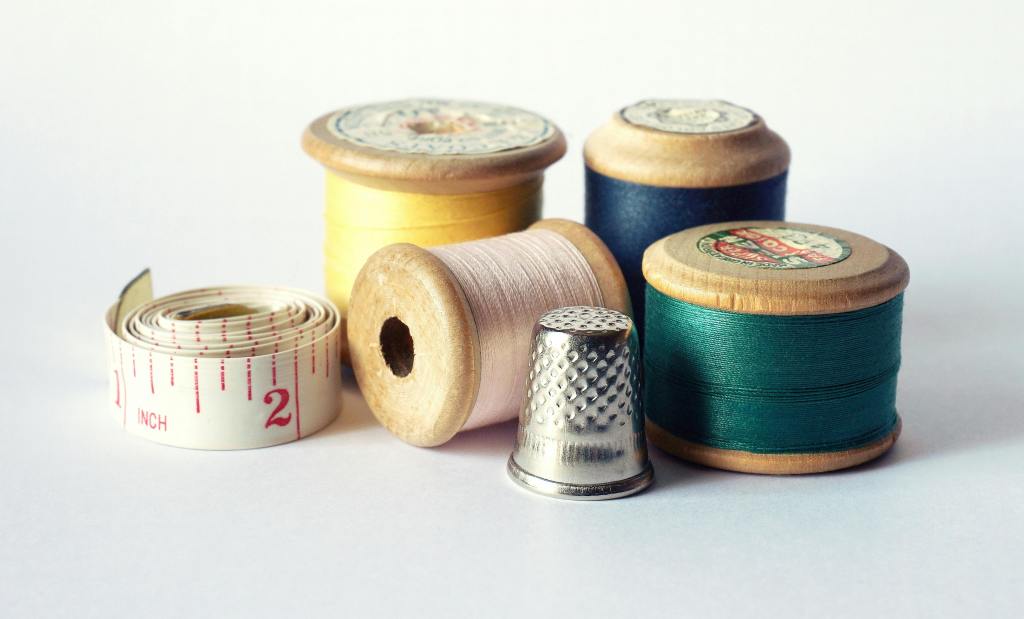
You don’t have to be a master sewist to handle small repairs. A basic sewing kit (needle, thread, scissors, and pins) will empower you to mend minor issues easily. Start with learning some essential stitches, like the running stitch and backstitch, to fix a hem or sew on a button.
2. Embrace Patches
If a garment suffers a tear, don’t fret! Patches can be a stylish way to give your clothing a second chance. Choose fabric patches that complement your garment’s aesthetic to turn a mishap into a fashion statement.
3. Darn Your Socks
Socks can wear out quickly, especially if you wear your favourite pair often. Darning allows you to weave in new threads to replace worn out areas, giving your socks a new lease on life.
4. Replace Buttons
Losing a button doesn’t have to be the end for your garment. Replace buttons with simple needle and thread, this is also an opportunity to get creative. Consider swapping out standard buttons for something quirky or unique that expresses your personal style.
5. Don’t Ignore Small Alterations
Sometimes, items don’t fit properly, and that can lead to them being pushed to the back of your wardrobe. If you know how to sew or can find someone who does, small alterations can make a garment fit like a glove!
6. Get Crafty with the Iron
A shirt can look far worse for wear than it might be. Invest in a decent iron and get to know the fabric settings; a good press can go a long way in reviving an outfit.
7. Know When to Call a Professional
For more complex repairs or alterations, it may be best to seek out a professional tailor or seamstress who can work their magic. It’s worth it, especially for those beloved pieces that you’re not ready to part with.
Mindset Shifts Towards Sustainable Fashion
Ultimately, it’s about more than just cleaning and repairing your clothes; it’s about changing our mindset towards fashion and the value of our garments.
1. Slow Fashion Movement
Embrace the principles of the slow fashion movement, which encourages thoughtful purchases, quality over quantity, and an appreciation for the craftsmanship behind each piece. Learning to love your clothing means you’re likely to take better care of them.
2. Make a Capsule Wardrobe
Consider crafting a capsule wardrobe consisting of versatile pieces you truly love and wear regularly. This approach not only simplifies your style but encourages you to invest in higher quality items that will serve you longer.
3. Educate Yourself
There are many online resources, books, and workshops focused on sustainable fashion and garment care. Invest time in educating yourself about the environmental impacts of fast fashion and the small steps you can take toward a more sustainable wardrobe.
4. Share and Swap
Embrace community through clothing swaps or sharing garments with friends. You can breathe new life into your wardrobe without committing to long-term purchases.
Conclusion: Care, Wash, Repair, Repeat
Making your clothes last longer doesn’t have to be overwhelming. By combining proper care, smart washing habits, and simple repairs, you’re already on the path to a more sustainable wardrobe. It’s about taking those small steps and being mindful of how we treat our garments.
So, the next time you pull out your favourite sweater, take a moment to appreciate the power of properly caring for what you wear. Together, we can shift the narrative of fashion from fast to sustainable, ensuring that our cherished clothes can be enjoyed for many years to come.
By incorporating these tips and shifting our mindset towards sustainable fashion, we can not only extend the life of our garments but also contribute positively to our environment. Let’s nurture our clothes like they deserve to be nurtured, and in turn, they’ll take care of us for a long time!
 The Blog
Leave a comment