Hunting is a practice that has existed for millennia, ingrained in the cultural fabric of societies worldwide. One of the most distinctive hunting traditions that persists today is the Guga hunt on the uninhabited island of Sule Skerry in Scotland. This practice, which involves hunting young gannets (locally known as ‘gugas’), raises significant ethical and ecological questions about our relationship with wildlife and the natural world. As societies evolve and debates about animal rights, conservation, and sustainability grow, why does the Guga hunt persist, and shouldn’t we have moved beyond such practices?
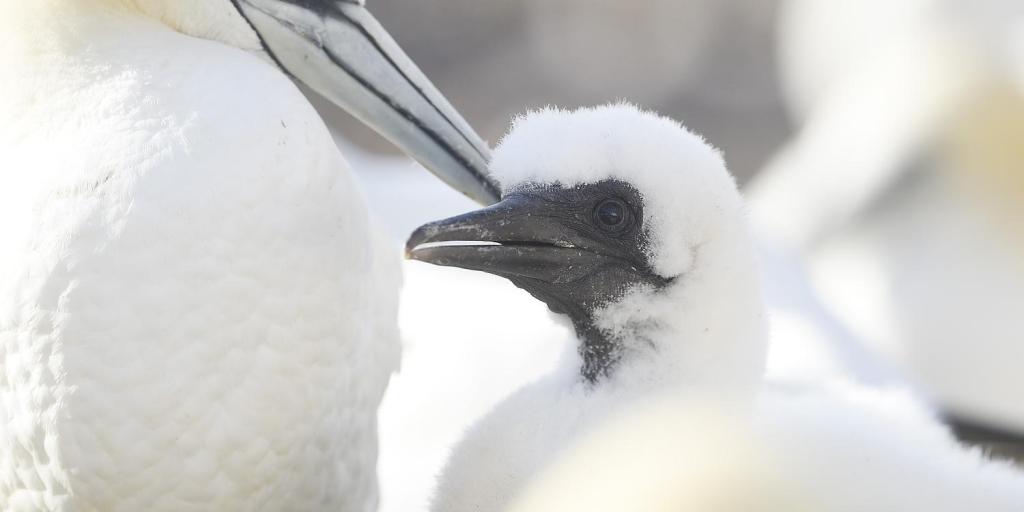
The Tradition of the Guga Hunt
The Guga hunt is a unique tradition that can be traced back over 400 years. Each year, a small group of islanders from the village of Ness on the Isle of Lewis travel to the remote Sule Skerry during the breeding season of the northern gannet, typically in August. The hunt requires a degree of skill and bravery as hunters climb the steep cliffs and high rock faces where the gannets nest. The young birds are taken from their nests, plucked, and prepared for consumption. Traditionally, gugas are seen as a delicacy and carry cultural significance for the local communities.
This practice is largely a means to connect with ancestral heritage. For the people of Lewis, the Guga hunt is about more than just sourcing food; it embodies a link to their history, their sense of identity, and their continuity as a community. Despite the contentious nature of hunting, it is performed within a framework of respect and tradition that honours the animals being hunted.
Ethos of Sustainability
Critics of hunting often argue about the morality and appropriateness of killing animals for food, especially in contemporary society. However, proponents of the Guga hunt emphasise its sustainability. Unlike industrial farming practices that can involve animal cruelty and environmental degradation, the Guga hunt is a highly regulated activity. The number of birds harvested, methods of capture, and the timing of the hunt are strictly controlled by authorities, ensuring that the population of gannets remains stable.
The northern gannet population is currently regarded as secure, having bounced back from previous declines due to conservation efforts. Hence, the hunters argue that their practice is not only sustainable but also contributes to local economies and cultural preservation.
The Ethical Debate: Navigating Tradition and Modern Values
The conversation surrounding the Guga hunt opens up broader discussions about ethics in hunting. Some argue that hunting is an anachronism in a world that should increasingly prioritise compassion and non-violence towards sentient beings. They contend that society has advanced technologically and socially to a point where hunting should no longer be necessary. The rise of vegetarianism, veganism, and humane farming practices reflects changing attitudes toward food sources.
On the other hand, supporters of traditional hunting practices highlight the importance of cultural heritage. They argue that respecting these customs is essential for maintaining cultural diversity. Hunting, in this case, becomes a complex interplay between tradition, identity, and modern ethical considerations.
One particularly poignant aspect of the Guga hunt is the knowledge and skills passed down through generations. It speaks to sustainable living and direct engagement with food sources, practices that many modern societies have largely lost. The Guga hunt represents a tangible connection to the land, the sea, and wildlife, embodying principles of self sufficiency and environmental stewardship.
Conservation Versus Tradition
When discussing the Guga hunt, it is crucial to field the twin concepts of conservation and tradition. Scotland has a long history of conservation efforts, particularly in the context of its unique ecosystems. The Guga hunt is framed as a controlled, sustainable act, which is an important aspect in debate. Nevertheless, it operates against a backdrop of larger questions about biodiversity, climatic changes, and human influence on ecosystems.
The northern gannet is not the only bird face to human impacts, it exists alongside many other species contending with habitat loss, climate change, and global ecological instability. The challenge lies in striking a balance between preserving traditional cultural practices and taking into account the global imperative for biodiversity conservation. Can traditional practices like the Guga hunt coexist with a holistic approach to wildlife conservation?
The Future of the Guga Hunt
As discussions continue about the Guga hunt’s future, several factors need consideration. There is a trend arising from younger generations increasingly embracing different views about hunting and wildlife. Society’s perspectives shift, often informed by new cultural standards that place a higher value on animal rights and conservation. The Guga hunt, therefore, stands at a crossroads.
Potential paths forward could include re-evaluating the practice and enhancing conservation measures to ensure gannets remain a thriving population. Alternative strategies could also involve educational initiatives that promote the importance of sustainable hunting while allowing for new generations to develop their understanding of respect for wildlife.
There is also potential for modernising the discourse around hunting. Engaging local communities in discussions around ethical practices can lead to greater awareness and potentially the development of new traditions that honour heritage while respecting contemporary ethical considerations.
Conclusion: Moving Beyond the Past
In summary, the Guga hunt encapsulates a complex intersection of tradition, culture, ethics, and conservation. It serves as a microcosm for wider debates surrounding hunting practices globally. The question of whether we should have moved beyond hunting is not simply a matter of opinion but is steeped in local heritage and cultural significance. For the people of Lewis, the Guga hunt is a stark reflection of their history and identity, a practice entwined with their very existence.
While the ethical considerations surrounding what it means to hunt in modern society are legitimate and important, they must also appreciate the history and legacy of traditions like the Guga hunt. Understanding the practice requires a balance of respecting the past while critically examining contemporary values and ecological responsibilities.
The conversation surrounding the Guga hunt, like many discussions around tradition and modernity, is ongoing. Ultimately, it reflects our broader relationship with nature, food, and what it means to inhabit a world that has to grapple with the consequences of its actions. In seeking to understand and evaluate hunting practices like the Guga hunt, we venture deeper into the essence of what it means to coexist harmoniously with the natural world. The decisions made today will shape the practices of tomorrow, whether in Scotland or beyond.
 The Blog
Leave a comment