Today, we’re diving into a conversation that’s super important, sustainable fashion. You might be wondering, “What does that even mean?” Well, put simply, it’s all about making mindful choices in what we wear that help protect our planet. Among the various principles of sustainability in fashion, the “7 Rs” – Reduce, Reuse, Recycle, Repair, Repurpose, Rethink, and Refuse – are pretty much our guiding stars. Let’s break them down together!
1. Reduce: Less is More
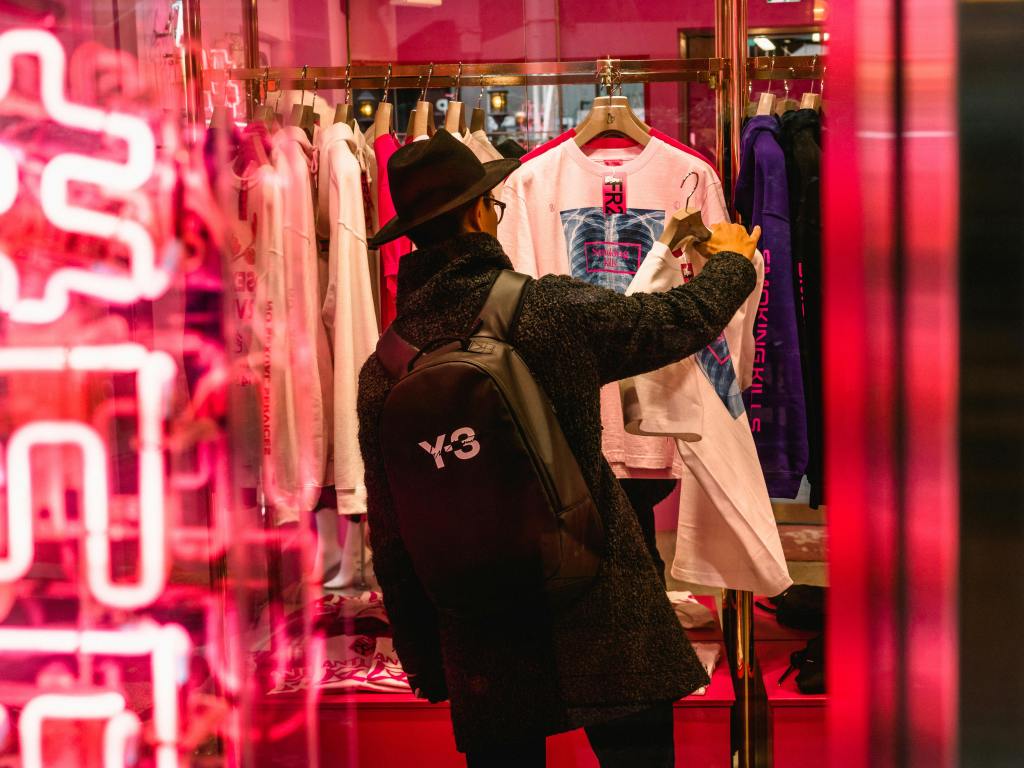
First off, let’s talk about reducing. This step is all about consumption, and honestly, it’s about choosing wisely. We live in a world that often pushes us to buy more, buy often, and then buy some more. But when we think about the impact of our consumption habits, it’s clear that less can be so much more.
In the UK, the fashion industry is a major contributor to waste and pollution. According to WRAP (Waste and Resources Action Programme), around 300,000 tonnes of clothing are sent to landfill in the UK every year! That’s around 1.5 million tonnes of carbon dioxide emissions. By reducing what we buy, we can contribute to less waste.
Consider implementing a capsule wardrobe, a collection of versatile pieces that work together. This not only simplifies your daily choices but also helps minimise the urge to shop impulsively. You can combine items creatively, mix and match, and still look fabulous without constantly expanding your wardrobe.
Another excellent way to reduce is to plan your purchase. Ask yourself if you really need new whatever for that one event. Could you borrow, swap, or simply wear something you already own? Taking a moment to really think can make a huge difference.
2. Reuse: Give New Life to Old Garments
Next up, we have reuse. This is all about extending the life of our clothing. Instead of throwing away something old, why not give it a second chance?
There are countless ways to reuse clothing. You can have a clothes swap party with friends; this is a fun way to refresh your wardrobe without spending a penny. Vintage shops and charity shops are treasure troves, and they often sell quality pieces that tell a story and have character.
Another great idea is upcycling, where you can transform your old clothes into something new and stylish. The possibilities are endless, and it’s a fantastic way to let your creativity shine while being eco-friendly.
The UK has a fantastic community of creators pushing the boundaries of fashion through reuse. Check out local events or workshops on upcycling, you’d be surprised at how many like minded individuals are out there!
3. Recycle: Proper Disposal for Fashion Waste
Now let’s dive into recycling. Often, when we think of recycling, we think of cardboard and glass. But clothing can be recycled too! Many don’t realise that textiles can have a second life.
When it comes to disposing of items that can’t be reused, recycling becomes crucial. The UK has numerous textile banks where you can drop off unwanted clothes. It’s a simple way to make sure your items are being processed properly instead of ending up in landfills.
Many organisations work tirelessly in the UK to recycle fabrics, turning them into new materials. Companies like TRAID and the British Heart Foundation take in clothing donations and ensure they are either recycled or resold, reducing waste while supporting charitable causes.
Remember, recycling doesn’t just stop at clothing. Accessories, shoes, and even bags can also be recycled. Always keep an eye out for local initiatives focusing on textile recycling; participating helps support the cycle of sustainability.
4. Repair: Fixing What’s Broken
Next, let’s chat about repair. It’s often so easy to discard something just because of a little wear and tear, buttons fall off, seams rip, or that t-shirt loses its shape. But, hold up! Instead of heading for the bin, why not consider repairing?
The repair culture is slowly regaining its spotlight in the UK. There are local repair cafes popping up everywhere, where volunteers help fix anything from garments to gadgets. It’s not only good for the planet but also a lovely way to build community ties.
We can also empower ourselves by learning a few basic sewing skills. Trust me, it’s super handy. Whether it’s sewing on that pesky button or fixing a hem, you’ll save money and reduce waste while doing something that feels rewarding. There are tons of online tutorials that make it easy for anyone to get started.
And if you’re not keen on sewing? No problem! There are often services that specialise in clothing repairs, so don’t hesitate to look for local tailors or services that can help you out.
5. Repurpose: Transforming with Creativity
Let’s move on to repurpose. This is where your creativity gets to strut its stuff! Repurposing involves taking something you no longer use and making it into something functional. For example, an old pair of trousers could easily become a stylish tote bag or a patchwork quilt.
The beauty of repurposing clothes is that it’s unique to you. You’re not just reducing waste, you’re also creating one of a kind pieces that have meaning and history. There are amazing resources online and in the UK that offer workshops on how to repurpose textiles, and it often leads to some delightful discoveries.
Social media platforms have also become incredible sources of inspiration. You can find tons of videos showcasing innovative ways to repurpose old clothing. Just search for #Upcycle or #RepurposeFashion, and you’ll drown in some brilliant ideas.
Whether it’s old curtains becoming tablecloths or worn out t-shirts as cleaning rags, there’s always a new life waiting to be born from the old.
6. Rethink: Challenging Conventions
At the heart of sustainable fashion is the concept of rethinking. It’s essential to take a step back and really consider the impact of our fashion choices. Why do we buy what we buy? Are we following trends or are we investing in timeless pieces that resonate with our values?
Consider the production processes behind the clothes we wear. Fast fashion is convenient, but often it promotes exploitative labour practices and environmentally damaging practices. By shifting our focus to ethical brands, you’ll not only support fair labour practices but also ensure you’re contributing to a more sustainable industry.
Rethinking extends to how we view fashion itself. Instead of seeing it as something disposable, let’s embrace the notion of longevity and quality. Can we challenge ourselves to choose quality over quantity? Investing in pieces that last will not only save money in the long run but also reduce the volume of waste we contribute to over time.
By examining our own habits and making conscious changes, we can start creating a better, more sustainable future for fashion.
7. Refuse: The Power of No
Finally, we arrive at the last R, refuse. It can sometimes be hard to say no, but it’s a vital part of practicing conscious consumption. Refusing is about saying no to things that don’t align with our values.
This might mean refusing to buy a cheap item that’s trendy but won’t last more than a season. It could also be about steering clear of brands that don’t prioritise sustainability or ethics. Every small decision counts, and collectively, they create a powerful shift in the industry.
Saying no often means choosing to educate ourselves and others about sustainable fashion. Sharing knowledge with friends and family can inspire a ripple effect, leading others to rethink their own choices too.
The UK has a vibrant community of activists raising awareness about fast fashion and its impact. Participating in local campaigns or joining discussions can provide that extra motivation to refuse trends that are harmful to our planet.
Closing Thoughts
So there you have it, the 7 Rs of sustainable fashion! These principles guide us towards making more mindful choices that can help soothe our planet and reshape the way we view fashion. Whether you’re a fashion guru or a casual shopper, there’s always a way to adopt these strategies in your own life.
By reducing what we buy, reusing and repurposing what we have, recycling materials, repairing our garments, rethinking our choices, and refusing to support harmful practices, we can contribute to a more sustainable future in fashion.
Remember, the journey toward sustainability doesn’t have to be overwhelming. Start with small steps, and before you know it, you’ll be part of a movement that supports both fashion and the future of our planet. Your choices matter!
Happy sustainable shopping!
 The Blog
Leave a comment