In an era where clean energy solutions are urgently needed to combat climate change, innovative approaches are essential. Among these trailblazers is Sun-Ways, a groundbreaking Swiss startup that is pioneering a transformative method to generate renewable energy directly from the nation’s railway tracks. By installing removable solar panels between active train tracks, Sun-Ways is proving that our existing infrastructure can double as a source of clean energy, all without encroaching on additional land. This initiative not only exemplifies innovation but also resonates with Switzerland’s commitment to sustainable energy practices.
The Vision of Sun-Ways
Founded with the mission to unlock the potential of Switzerland’s extensive railway network, Sun-Ways is dedicated to addressing energy demands through creative solutions. The company recognises that traditional solar installations often require extensive plots of land, which can lead to habitat destruction and other environmental challenges. Instead, Sun-Ways’ approach utilises the already developed space along railway lines, providing a dual purpose solution that maximises existing infrastructure while mitigating the need for new land use.
The Swiss Rail Solar Initiative
Technology & Installation
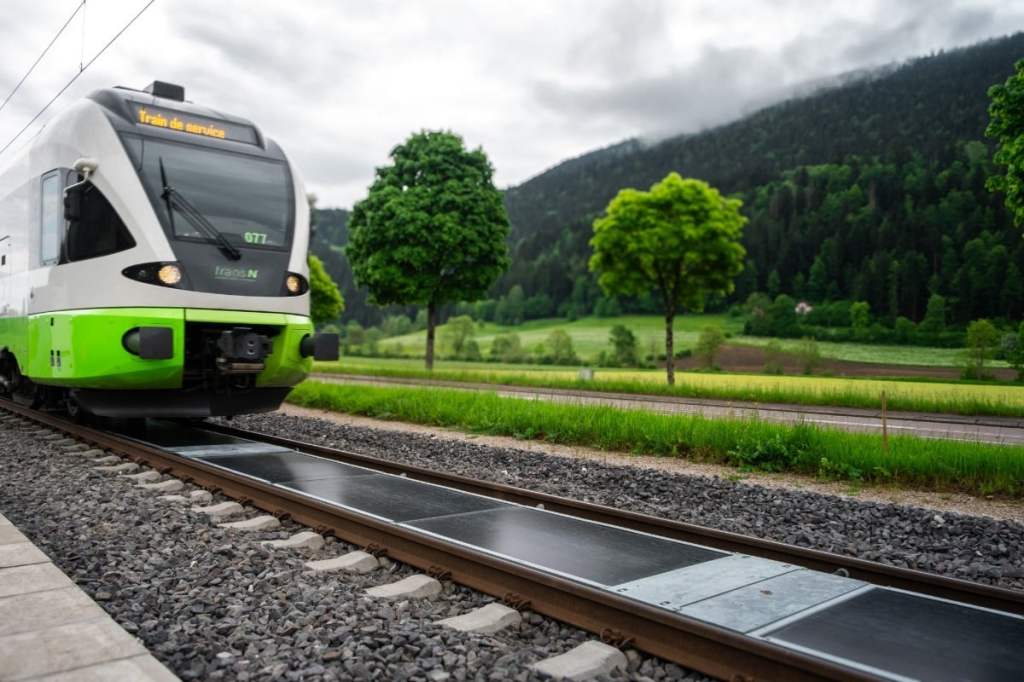
At the heart of Sun-Ways’ innovation are specialised, removable solar panels designed specifically for installation between railway tracks. This technology allows for quick and efficient removal, for purposes such as routine track maintenance, which includes snow removal and grinding. The system is engineered to endure harsh environmental conditions, from high speeds and vibrations caused by passing trains to severe weather. Each panel weighs significantly less than traditional solar panels, ensuring that they can be safely and easily handled by maintenance crews.
The pilot installation, located in Buttes, Switzerland, features 48 of these advanced solar panels. This small scale trial is laying the groundwork for what could become a sprawling network of solar energy generation along Switzerland’s 5,000 km railway system. The ease of access to these panels can revolutionise how maintenance is conducted, allowing for uninterrupted energy generation when trains are not running.
Capacity & Scope
The pilot project in Buttes serves as a proof of concept that could be replicated across Switzerland’s existing railway lines. With 5,000 kilometers of track crisscrossing the nation, the potential for solar energy generation is remarkable. If harnessed fully, it is estimated that this initiative could yield approximately 1 terawatt-hour (TWh) of electricity each year. To put this in perspective, this amount of energy could power around 200,000 households, equating to approximately 2% of Switzerland’s total electricity consumption.
This substantial contribution to the local power grid underscores the initiative’s potential impact, addressing not only the nation’s energy needs but also propelling Switzerland closer to its renewable energy targets.
Energy Potential
The broader benefits of this initiative extend beyond just energy generation. By integrating solar panels into existing rail infrastructure, Sun-Ways is utilising spaces that are otherwise dormant during non peak hours. This strategic use of public assets is a shining example of efficient land use. Furthermore, it helps with diversifying the energy supply, making the country less reliant on fossil fuels and enhancing energy security.
While the pilot project is still evolving, the anticipated results are optimistic. If successful, the project will pave the way for increased investment in renewable technologies, fostering innovations that could transcend the railway sector.
Advantages of the Sun-Ways Model
The advantages of the Sun-Ways approach cannot be overstated.
1. Sustainable Land Use
One of the most significant benefits is the ability to turn existing transportation infrastructure into a clean energy source without the need for new land development. Traditional solar farms often necessitate the clearing of forests or agricultural land, leading to ecological disturbances. By contrast, employing the unused space between train tracks ensures that valuable land is preserved for nature and agriculture.
2. Economic Efficiency
The financial implications of this approach are also noteworthy. By utilising existing infrastructure, the costs associated with land acquisition and environmental impact assessments are minimised. Additionally, the dual use of railway tracks means that investments in solar energy can be more readily justified, making it an attractive model for public private partnerships. This efficient use of resources could stimulate local economies and generate jobs both in solar technology manufacturing and ongoing maintenance.
3. Enhanced Maintenance Operations
Traditional rail maintenance operations often face delays due to the logistical challenges of accessing tracks. Sun-Ways’ removable panels mitigate this concern, allowing for timely maintenance of railway systems while sustaining energy production. This adaptive strategy not only benefits the energy sector but also ensures that the rail network remains in optimal condition.
4. Community Engagement and Support
Involving local communities in renewable energy initiatives is vital for securing long term success. Sun-Ways has made it a point to engage with the communities that will be directly impacted by their operations. By demonstrating the environmental and economic benefits of their technology, there is a greater likelihood of public support, which is crucial for future expansions of the project.
Looking Ahead: The Future of Solar Railways
As the pilot project in Buttes progresses, Sun-Ways aims to gather data and insights that will inform broader implementations throughout Switzerland and potentially in railway systems worldwide. Key metrics will include energy output, operational feasibility, and maintenance efficiency, all of which will be meticulously tracked.
Scaling Up
The ambition to scale this technology across the wider railway network is both exciting and challenging. Stakeholders in the Swiss railway sector, including the Swiss Federal Railways (SBB), have shown great interest in the initiative, recognising its potential for contributing to Switzerland’s renewable energy goals. By collaborating with public entities, Sun-Ways can effectively navigate regulatory frameworks and expedite the integration of solar technology into the transport sector.
Global Lessons
The application of this technology is not limited to Switzerland. Around the world, many nations face similar challenges in deploying renewable energy sources within the constraints of populated land. The Sun-Ways model offers valuable lessons that could inform solar initiatives in other countries, particularly those with extensive railway networks. The adaptability and efficiency of removable solar panels position them as a viable solution for diverse environments and regulatory landscapes.
Conclusion
The innovative efforts of Sun-Ways represent a significant stride toward a more sustainable future, one powered by clean energy derived from existing railway infrastructure. By harnessing solar energy through removable panels placed strategically between train tracks, this Swiss startup is not only addressing immediate energy needs but also setting a precedent for creative land use and environmental stewardship.
The combination of technology, capacity, community engagement, and economic efficiency exemplified by the Swiss Rail Solar Initiative indicates a promising avenue for future renewable energy projects. If successful on a larger scale, Sun-Ways could light the way for the global shift toward more sustainable practices, underscoring that sometimes the solutions we seek can be found right beneath our feet, between the tracks that carry the trains of tomorrow’s clean energy journey.
By fostering innovation and seizing the potential of renewable resources, Sun-Ways is paving the way for a more sustainable and energy efficient future, not just in Switzerland, but across the globe. Together, with the ingenuity of startups like Sun-Ways, we can embrace a cleaner, greener future.
 The Blog
Leave a comment