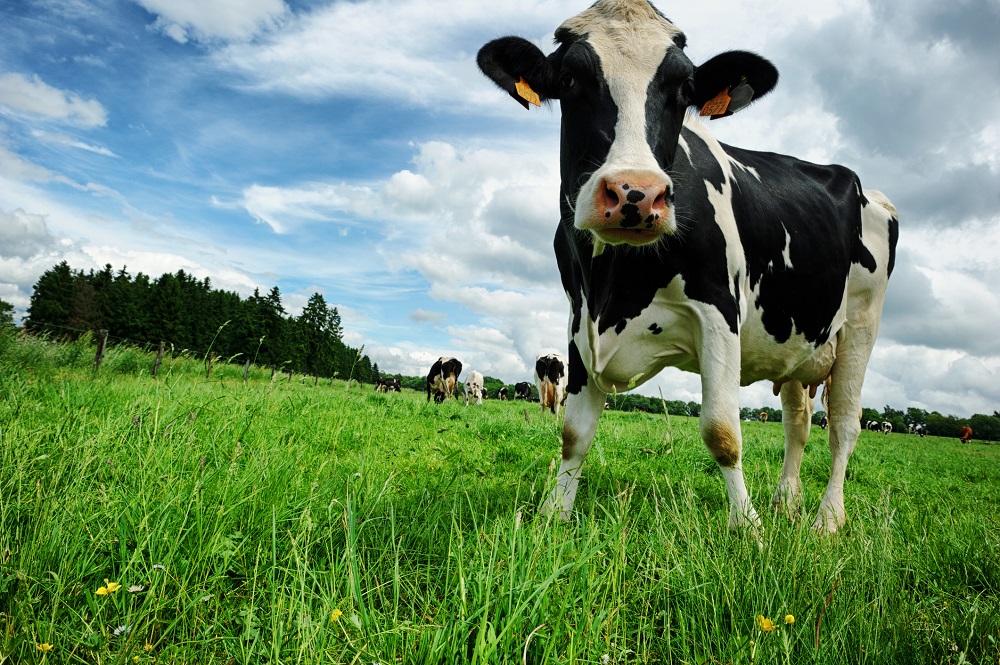
In a remarkable turn of events, the UK government has announced the end of badger culling licences, a decision that marks a significant shift in the country’s approach to wildlife management and conservation. For years, the culling of badgers has been a contentious issue, raising concerns among animal welfare advocates and sparking debates regarding its effectiveness in combating bovine tuberculosis (bTB) within livestock. This editorial delves into the implications of this decision, exploring its positive impact on badger populations, the environment, and the future of wildlife management in the UK.
Understanding the Background of Badger Culling
The roots of badger culling can be traced back to the early 20th century when bovine tuberculosis emerged as a serious threat to cattle health. Despite the lack of conclusive evidence linking badgers to the transmission of bTB, culled badger populations were seen as a convenient solution. Over the years, this policy faced mounting criticism for its ethical implications and questionable efficacy.
Research has shown that culling, rather than controlling the disease, often produced negative consequences, including increased badger mobility and stress, leading to greater spread of the disease through the population. Furthermore, studies indicated that badgers are not solely responsible for the transmission of bTB, underscoring the necessity for more comprehensive approaches to combat this dilemma.
A Positive Step Towards Conservation
The government’s decision to end badger culling licences aligns with contemporary advancements in wildlife management and reflects a more compassionate approach towards environmental conservation. This pivotal change provides an opportunity to realign focus towards non-lethal methods of managing bTB.
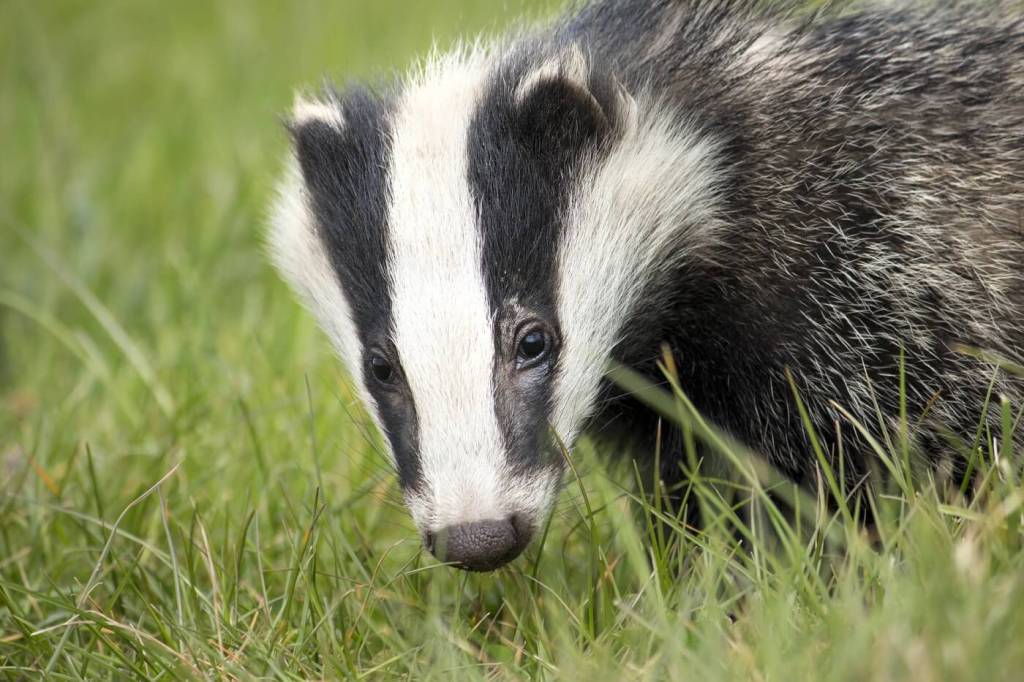
As awareness about the ecological importance of badgers has grown, the urgent necessity of preserving their populations has been emphasised. Badgers are integral to maintaining a balanced ecosystem; they contribute to soil aeration, seed dispersal, and the control of certain pest populations. By allowing badgers to thrive, the UK can support broader biodiversity, fostering a healthier environment for all species.
Shifting Towards Effective Management Strategies
Stopping badger culling licences opens the door to the implementation of more effective, humane strategies for managing bTB in cattle. One promising alternative involves vaccination of badgers against the disease. This non-lethal approach not only reduces bTB incidence but also ensures the protection and resurgence of badger populations. Studies have indicated that vaccinating wild badgers can significantly lower the prevalence of bTB in their populations, which in turn protects livestock from being infected.
In addition to vaccination programs, enhanced biosecurity measures for cattle farms can play a crucial role in tackling the bTB crisis. The introduction of stricter testing protocols, improved housing conditions, and better management of cattle movement can significantly curb the transmission of the disease. Accelerating research and development into bTB vaccines for cattle can also serve as a viable long term solution to ensure a sustainable future for both livestock and wildlife.
The Role of Public Opinion and Advocacy Groups
The decision to end badger culling licences is a reflection of changing public opinion towards wildlife management and the treatment of animals. Advocacy groups and conservationists have tirelessly campaigned for the end of culling, pressing for policies that prioritise humane treatment and ecological balance. This victory not only showcases the power of collective grassroots efforts but also highlights the necessity for ongoing dialogue between government bodies, farmers, and conservationists to explore and implement innovative solutions.
In the light of public sentiment shifting towards empathy for wildlife, the government now has a responsibility to evolve its policies to reflect these values. Engaging with local communities and stakeholders ensures a more collaborative approach, fostering trust and cooperation among all parties involved.
Implications for Policy Reform and Future Directions
The end of badger culling licences also has significant implications for broader wildlife conservation policies in the UK. It sets a precedent for how the government addresses other contentious wildlife management issues, leading to a future that prioritises compassion and scientific integrity. By moving away from lethal control measures, the government can promote alternative practices that protect both wildlife and agricultural interests.
The need for comprehensive ecological assessments focused on species interactions and habitat preservation emerges as a priority. Policymakers should ensure that wildlife management strategies are evidence based and include input from ecological experts. This holistic approach not only contributes to the sustainable management of wildlife populations but also enhances public trust in government initiatives.
Cultivating an Ecologically Conscious Society
Creating an environmentally conscious society plays a critical role in supporting wildlife conservation efforts. Environmental education initiatives can inform the public about the importance of biodiversity, the ecological roles of different species, and the repercussions of wildlife management policies. By fostering compassion towards wildlife, young generations can grow to appreciate the value of coexistence with nature, ensuring a lasting cultural shift towards conservation.
Furthermore, support for citizen science initiatives can empower individuals to participate meaningfully in wildlife monitoring and conservation efforts. Encouraging community involvement not only aids research and data collection but also fosters appreciation for local ecosystems.
Conclusion
The ending of badger culling licences represents a monumental shift in the UK’s approach to wildlife management, highlighting the importance of empathy, respect, and non-lethal interventions. This decisive step towards cruelty free practices reflects a growing understanding of the interconnections within ecosystems and the need to protect biodiversity for future generations.
By investing in innovative and humane wildlife management strategies, fostering public involvement, and reforming agricultural practices, the UK stands poised to become a leader in compassionate conservation efforts. The journey towards harmonious coexistence with wildlife has only just begun, and it holds the promise of a brighter future for both badgers and British ecosystems.
References
- Bovine TB (bTB) – Government statistics
- Badger Vaccination – Wildlife Trusts
- “Impact of Badger Culling on Bovine Tuberculosis” – DEFRA Report
- “Understanding The Role of Badgers in the Ecosystem” – Natural Resources Wales
- Campaigns Against Badger Culling – RSPCA and other advocacy groups
This editorial reflects the positive potential that lies ahead in wildlife management as the UK transitions to more humane and effective conservation practices. Every stride taken towards ending the badger culling policy not only signifies a victory for animals but also lays the foundation for a sustainable coexistence between farming and wildlife in the years to come.
 The Blog
Leave a comment