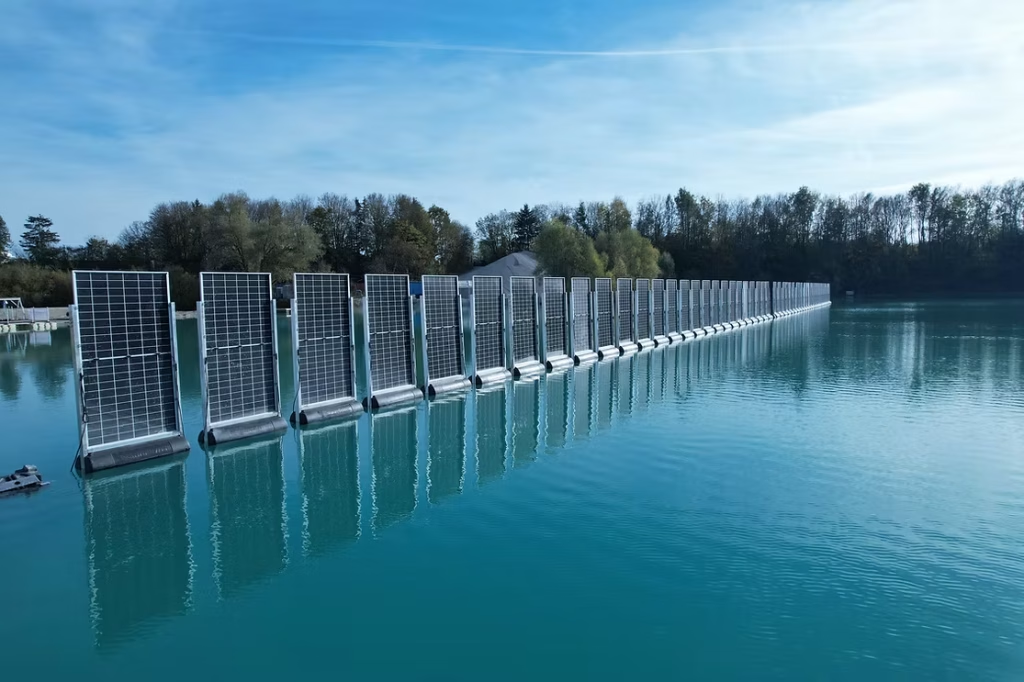
In October 2025, the world witnessed a pioneering achievement in renewable energy with the commissioning of the world’s first vertical floating solar plant at the Jais gravel pit in the scenic Starnberg district of Bavaria, Germany. Developed by SINN Power, this innovative 1.87 MW facility harnesses the power of the sun in a way that has never been done before, setting a new benchmark for solar energy production. It is not just a technological marvel but a beacon of hope for sustainable energy solutions in an increasingly resource strained world.
The Technology Behind the Innovation
At the heart of this remarkable project lies the patented “SKipp” system. This sophisticated technology employs bifacial solar panels arranged vertically in a unique back to back configuration, designed specifically to optimise energy capture. Unlike traditional solar panels that are typically mounted horizontally, the vertical orientation of the SKipp system enables the panels to capture sunlight more effectively during early morning and late afternoon hours. This is particularly critical in optimising energy production throughout the day and catering to the fluctuating demands of the grid.
The bifacial panels used in this system enhance the overall performance of the plant. They are capable of harnessing sunlight from both sides, allowing for greater efficiency even in lower light conditions. This setup inherently reduces overheating, an issue that often plagues standard solar panel installations, thereby ensuring a consistently high output without the energy drops that can occur due to excess heat.
Energy Production and Efficiency
The performance metrics of this innovative solar plant are impressive. With an installed capacity of 1.87 MW, the facility is expected to generate approximately 2 GWh of clean electricity annually. This is sufficient to power hundreds of homes, thereby significantly contributing to local energy needs while reducing dependence on fossil fuels.
One of the most significant achievements accompanying the operation of this vertical floating solar plant is its impact on the energy consumption of the gravel plant it serves. Currently, the facility has been able to reduce grid consumption by approximately 60%. As the technology and operations mature, efficiency is expected to rise to an astounding 70%. This represents a major milestone in the quest for more sustainable industrial operations, showcasing how renewable energy can play a vital role in reshaping traditional energy consumption patterns.
Environmental Impact: A Balance Between Innovation and Nature
A key consideration in the development of any new energy project is its impact on the surrounding environment. The vertical floating solar plant at the Jais gravel pit covers merely about 4.65% of the lake’s surface, a footprint that is minimal when compared to the extensive land required for traditional solar farms. Comprehensive monitoring of the site has indicated no adverse ecological impacts. In fact, there have been positive reports regarding improved water quality in the lake and the establishment of new habitats for various species of waterfowl and fish.
This successful integration of renewable energy technology with environmental stewardship highlights a crucial narrative. As society continues to grapple with climate change and the loss of biodiversity, projects like this underscore the importance of developing energy solutions that can coexist harmoniously with nature. The vertical solar array is more than just an energy provider; it represents a reclamation of natural spaces, showing that innovation need not come at the cost of the environment.
Strategic Significance: Powering the Future
The strategic implications of this vertical floating solar plant extend beyond its immediate energy output. It exemplifies a remarkable approach to utilising artificial inland water bodies, such as gravel pits and quarry lakes, without competing for land that could be used for agriculture, housing, or other essential purposes. This innovative use of space allows for energy generation while preserving terrestrial environments, thus providing a dual benefit to society.
Furthermore, by sidestepping the midday peak energy production associated with traditional solar technology, this system offers a more consistent energy profile. This translates to a greater alignment with industrial energy demand patterns, making it an ideal solution for businesses that require reliable energy sources to maintain their operations. The ability to deliver energy during off peak hours can have substantial economic implications, ultimately leading to lower costs and increased competitiveness for local industries.
A Promising Future for Renewable Energy
The commissioning of the vertical floating solar plant in Bavaria is a powerful statement about the future of renewable energy. It not only addresses current energy challenges but does so in a way that is environmentally conscious and socially responsible. As we look toward the future, the lessons learned from this project will likely influence a wave of innovation in solar technology, paving the way for similar installations around the world.
The scalability of vertical floating solar technologies holds immense potential. As countries seek to diversify their energy portfolios and embrace green technologies, this model can serve as a blueprint for effective energy generation with minimal ecological disruption. The emphasis on innovative designs, such as those seen at the Jais gravel pit, can inspire further advancements in solar technology and expand the possibilities for energy production in various geographical contexts.
Community Engagement and Support
The success of any renewable energy project is often tied to the support it receives from the surrounding community. The vertical floating solar plant in Bavaria has actively engaged with local stakeholders, providing information and education on its operational benefits, both environmentally and economically. This engagement is crucial in building public trust and ensuring that the community understands and supports the project’s role in promoting sustainable practices.
By fostering open dialogues and encouraging feedback, SINN Power has demonstrated a commitment not only to innovation but to responsible corporate citizenship. This approach helps to mitigate concerns that often accompany new industrial ventures, emphasising the positive impact of renewable energy on local economies and environmental health.
Conclusion: A Light for Tomorrow
The commissioning of the world’s first vertical floating solar plant stands as a testament to what is achievable when innovation and sustainability go hand in hand. With every advancement in solar technology, we move closer to a future where clean, renewable energy is not just a hope but a reality. The facility in Bavaria encapsulates this vision, showcasing how intelligent design and thoughtful implementation can yield significant benefits for both humanity and the planet.
As we watch this exciting chapter in renewable energy unfold, there is a sense of optimism that similar projects will arise worldwide, harnessing the sun’s potential in ways that respect and enhance the environments in which they are situated. The vertical floating solar plant is not just a step forward in energy production; it is a giant leap towards a future that is sustainable, harmonious, and prosperous for generations to come. The journey is just beginning, and the possibilities are boundless.
Leave a Reply